
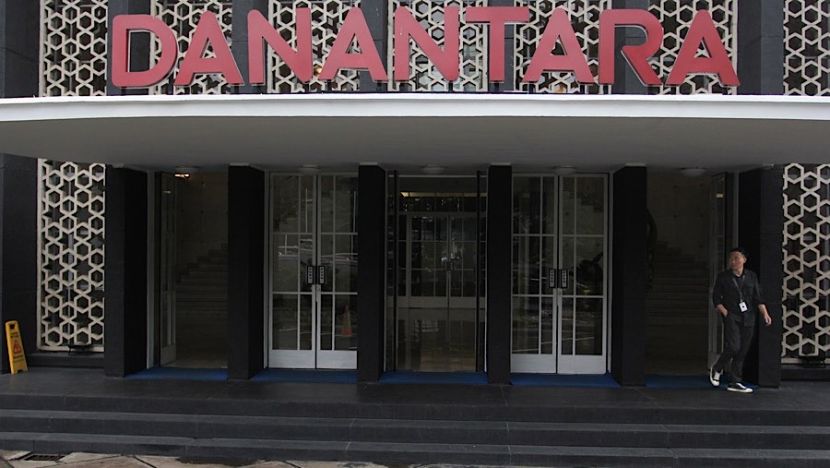
Indonesia Identifies 21 Downstream Industry Projects with Total Investment of US$40 Billion
The Minister of Energy and Mineral Resources announced that the government has finalized 21 first-phase downstream industry projects with a total investment of US$40 billion (approximately IDR 659.2 trillion), funded by the National Energy Investment Authority (BPI Danantara). These projects cover multiple strategic sectors including oil and gas, mining, agriculture, and marine. Key projects include the construction of oil storage facilities on Nipa Island to enhance national energy security, aiming to meet the presidential decree requirement of fulfilling 30 days of national demand. A refinery with a daily capacity of 500,000 barrels will also be built to ensure stable domestic energy supply and reduce import dependence.
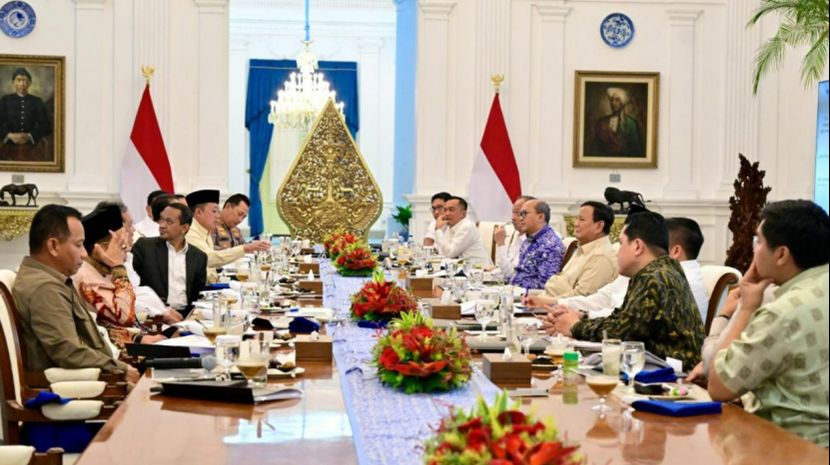
Indonesian Government Cabinet Reviews Downstream Industry Projects
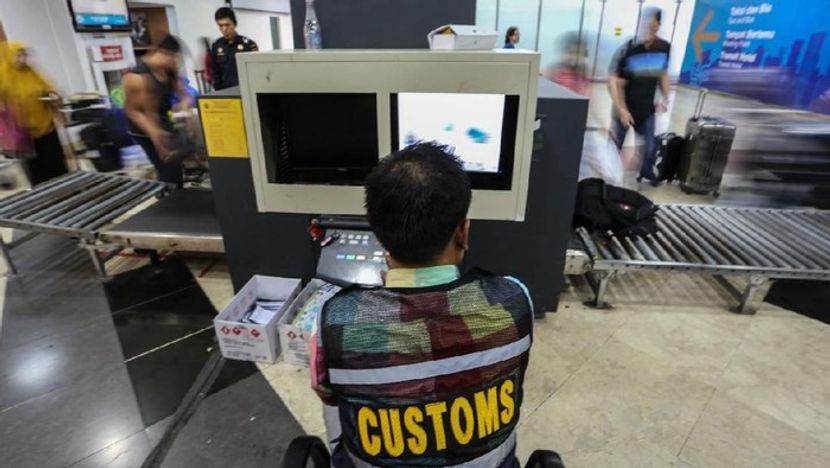
Indonesia simplifies import tariffs on eight categories of goods

Luhut asks government to closely monitor Chinese goods
Indonesia Extends Import Safeguard Duty on Ceramic Floor Tiles
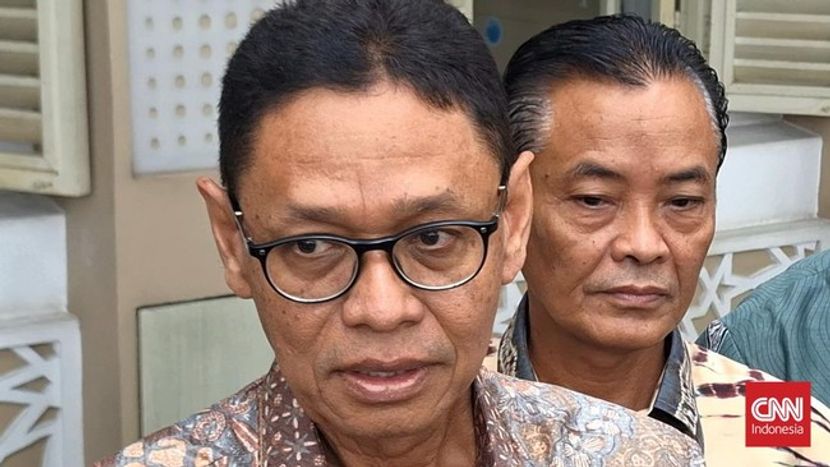
Indonesian Government Establishes Downstream Industry Task Force
The Ministry of Energy and Mineral Resources stated that the Downstream Industry Task Force will offer investors 35 projects worth US$123.8 billion (approximately IDR 2,005 trillion). The Deputy Minister said this is part of accelerating downstream industry development to achieve domestic energy security. These projects cover multiple sectors including oil and gas, agriculture, and mining, in line with President Prabowo's directive to process domestically advantaged natural resources downstream to obtain added value. The Ministry of Energy and Mineral Resources is currently awaiting coordination results with member departments of the task force, hoping these prepared projects can be offered to potential investors as soon as possible
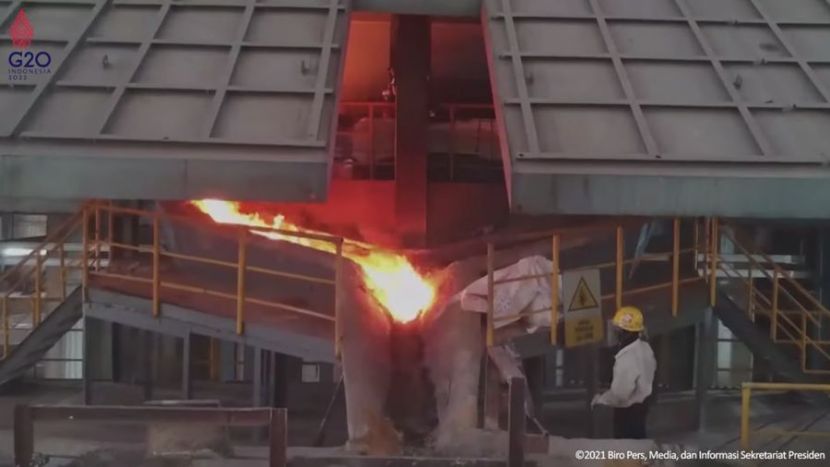
Indonesian Government Prepares 35 Downstream Projects for Investors
The Ministry of Energy and Mineral Resources stated that the government is preparing 35 downstream industrial projects worth $123.8 billion (approximately IDR 2,015 trillion). The Deputy Minister stated that following a coordination meeting of the National Task Force for Accelerating Energy Downstreaming and Energy Security, the government has identified and prepared 35 projects to offer to investors. These projects cover multiple strategic sectors, including minerals, coal, oil, and gas. The government is also preparing to develop downstream industries in the agricultural sector, particularly in oleochemical production. In the field of energy security, he emphasized the importance of accelerating energy restructuring to support the national energy transition.
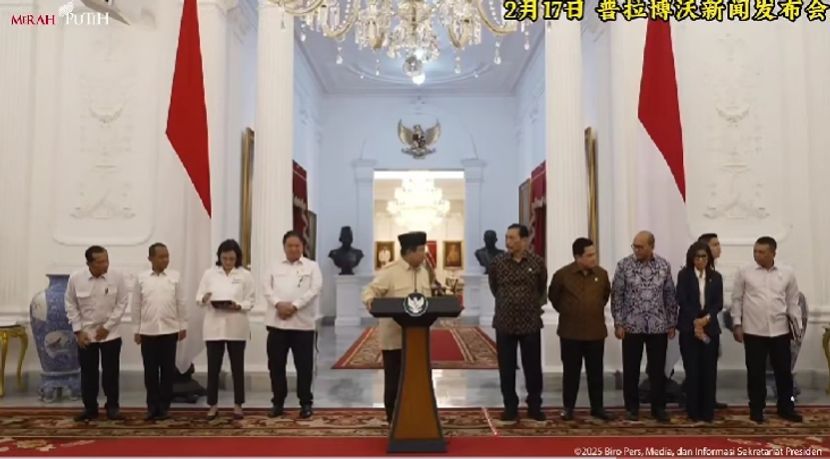
Indonesia Imposes Foreign Exchange Controls on Natural Resources – What’s the Impact?
On February 17, Indonesian President Prabowo issued Presidential Regulation No. 8 of 2025, announcing foreign exchange control policies for natural resource exports (DHE SDA). Starting March 1, 2025, exporters in the mining, plantation, forestry, and fisheries sectors must deposit 100% of their foreign exchange earnings into special bank accounts at state banks for a period of 12 months, with the exception of the oil and gas industry. Wang Zhanggui’s personal understanding is that this mainly targets raw material exports and should not apply to processed products. Once the official document is available, we will verify it. In addition, for exporters who do not comply, the government will take
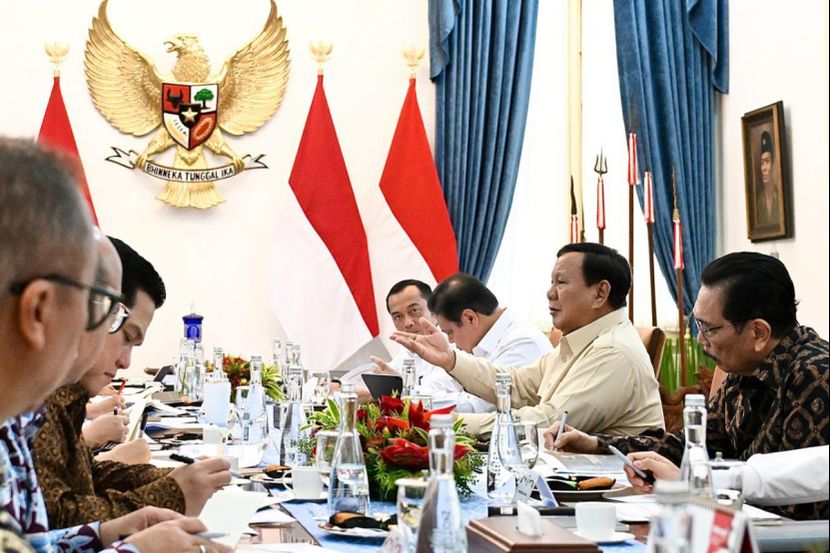
Exporters Must Deposit All Foreign Exchange in Indonesian Banks Starting Next Month
President Prabowo announced a strategic policy to strengthen national economic resilience by mandating the deposit of natural resource export foreign exchange earnings (DHE SDA) domestically. Exporters in the mining (excluding oil and gas), plantation, forestry, and fisheries sectors must deposit all of their natural resource export foreign exchange earnings in special accounts at domestic banks within the national financial system for at least 12 months. The oil and gas sector will still follow the provisions of Government Regulation No. 36 of 2023. The government estimates that export foreign exchange earnings will increase by approximately US$80 billion in 2025, and if implemented throughout the year, the value could exceed
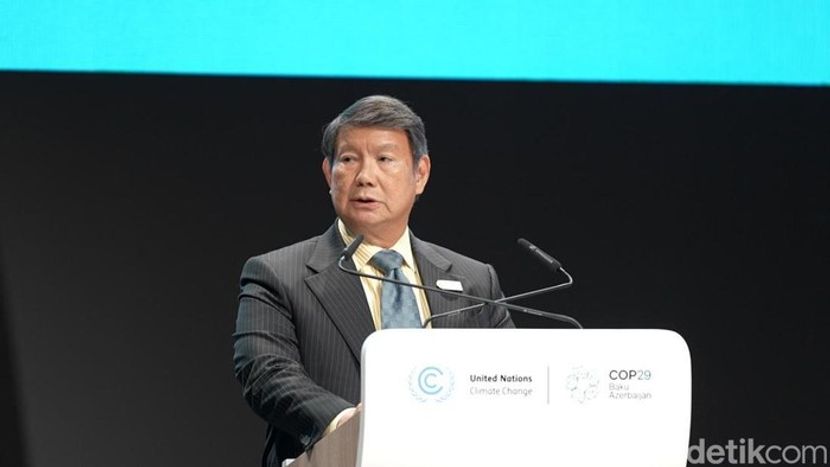
Indonesia Plans to Vigorously Develop Nuclear Power
Indonesia will build nuclear power plants with a total capacity of up to 4.3 GW. The President's Special Envoy for Climate and Energy stated that this is part of the government's energy transition strategy. The plants to be built are Small Modular Reactor (SMR) floating power plants, in addition to three 1 GW nuclear power centers. Previously, the National Energy Council revealed that Indonesia has 29 potential nuclear power plant sites, with a total capacity of up to 54 GW, and some potential sites from Sumatra to Papua have been planned. However, building nuclear power plants requires meeting three conditions, including establishing a Nuclear Energy Program Implementing Organization (NEPIO), stake
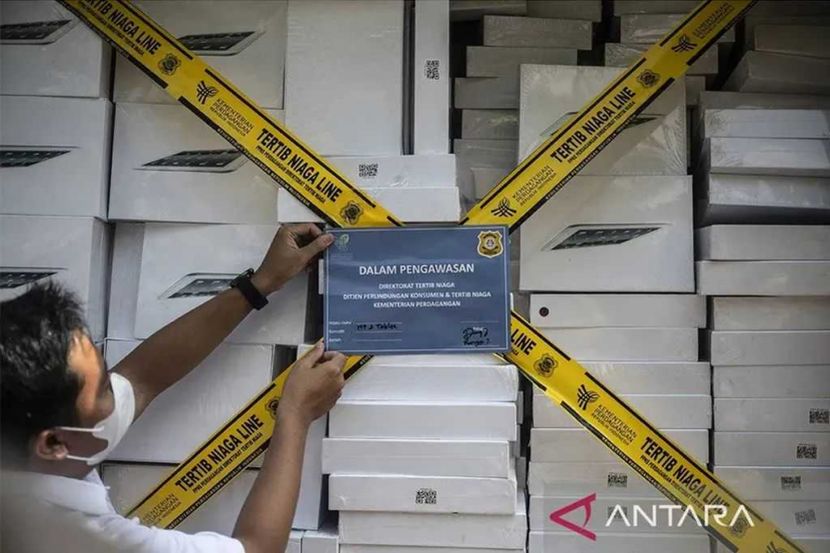
Indonesian Government Launches Multi-Department Joint Warehouse Inspections Ahead of Ramadan
It is reported that seven Indonesian departments have been conducting joint warehouse inspections in Jakarta, Tangerang, and surrounding areas since February 11, expected to last two weeks. This operation covers multiple fields with high compliance requirements and severe penalties. Some sellers believe the intensity exceeds that of last July. Relevant parties suggest sellers move temporary warehousing items and close warehouses. On a macro level, despite national revenue in 2024, Indonesia still has a high fiscal deficit, such as frozen capital construction budgets and the heavy burden of the free lunch program. Strengthening import inspections and tax supervision can prevent tax loopholes and increase fiscal revenue. On a micro level, ahead of Ramadan, businesses stock up heavily, illegal imports
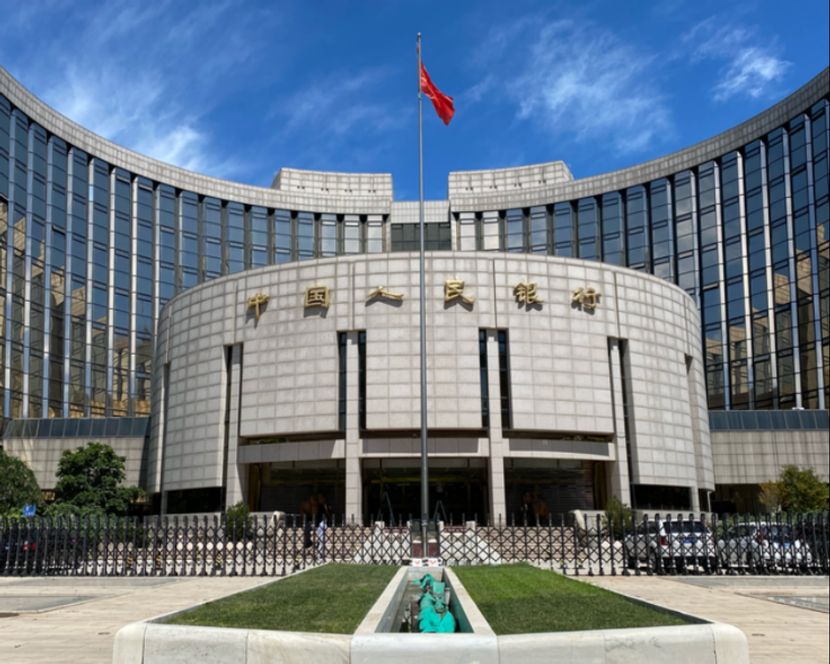
China and Indonesia Renew 400 Billion Yuan Bilateral Local Currency Swap Agreement
The People's Bank of China and Bank Indonesia recently renewed the bilateral local currency swap agreement, with a swap size of 400 billion RMB / 878 trillion IDR. The agreement is valid for five years and can be extended upon mutual consent. The People's Bank of China stated that the renewal of the bilateral local currency swap agreement will help further deepen monetary and financial cooperation between the two countries, promote bilateral trade and investment facilitation, and maintain financial market stability.