
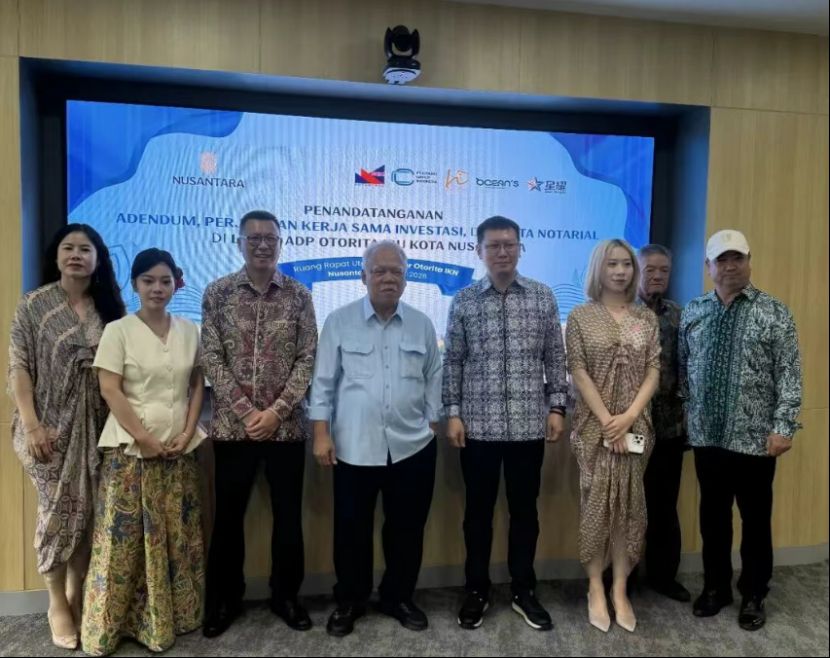
Chinese Capital Participates in New Capital Real Estate Project for the First Time
Indonesian Hainan General Chamber of Commerce Chairman and Head of PT Star Bright, Mr. Lu Keming, formally held the project signing and launch ceremony with the New Capital Investment Authority in the new capital Nusantara, marking the official implementation of the "Indonesia-China Friendship Apartment" project and becoming an important milestone for Chinese enterprises participating in the construction of the new capital. As the first commercial apartment project in the core area of Nusantara and also the first real estate project invested by Chinese capital, the launch of the "Indonesia-China Friendship Apartment" fills the gap in commercial housing development in the core area of the new capital, providing high-quality residential facilities for international enterprises and various talents stationed in the new capital.
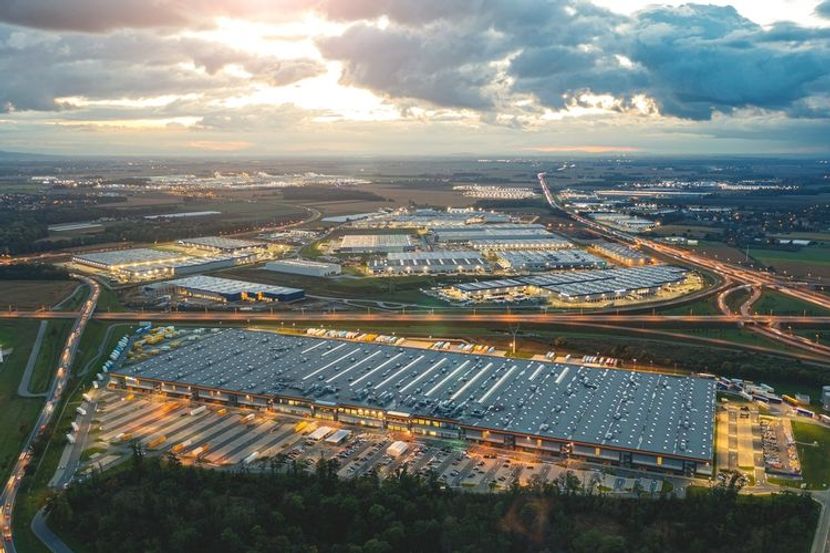
Chinese Capital Leads, Subang Becomes New Center of Indonesian Industrial Investment

Businesses in Indonesia can call police for help if forced to pay holiday allowances
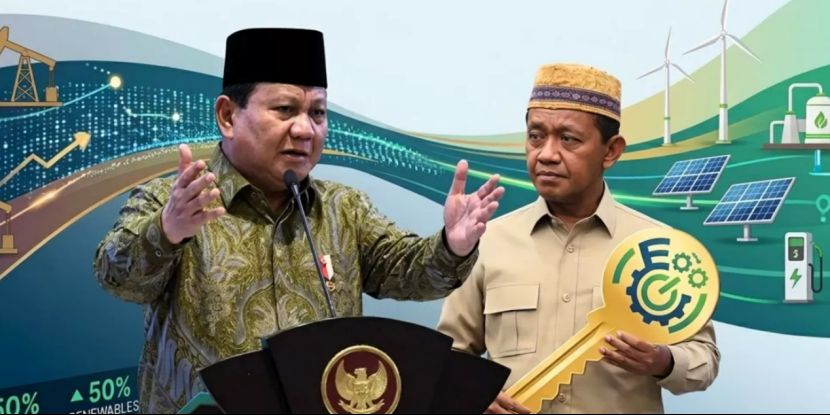
Indonesia Establishes Coordinating Task Force to Accelerate Energy Transition
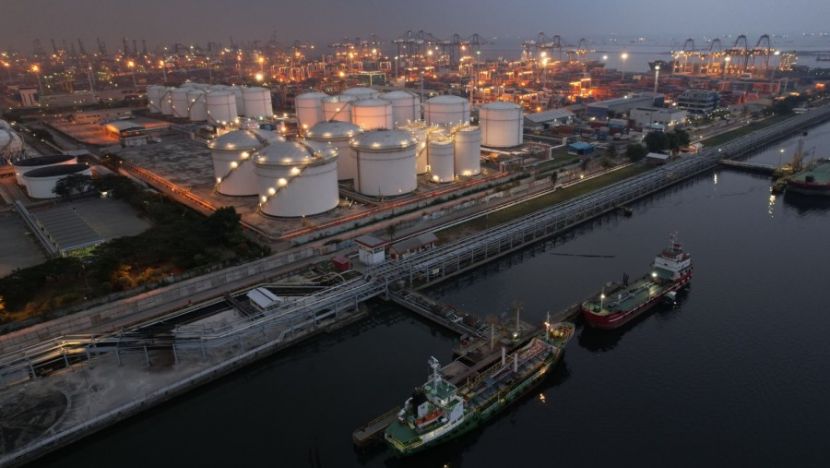
Indonesia's Crude Oil Reserves Only Support 23 Days; Needs 56 New Storage Tanks to Meet International Standards
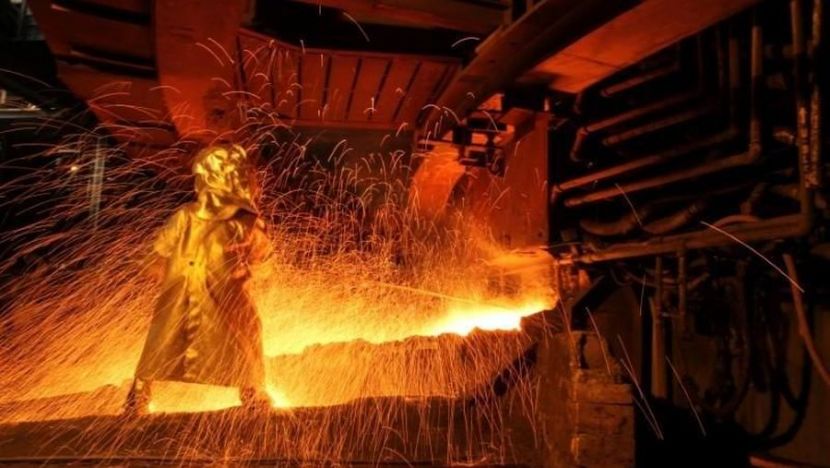
Indonesia Imports Nickel Ore to Fill Smelter Demand
The Ministry of Energy and Mineral Resources (ESDM) acknowledged that there is a gap between this year's national nickel ore production target (based on the Annual Work Plan and Budget/RKAB) and the total demand of domestic smelters. The Director General of Minerals and Coal at ESDM revealed that the nickel ore production quota set in this year's RKAB is approximately 260 million tons, while domestic smelter demand reaches 310 million tons. He explained that the supply gap for smelters will likely be filled by imports from neighboring countries, mainly from the Philippines, with imports of about 15-20 million tons,
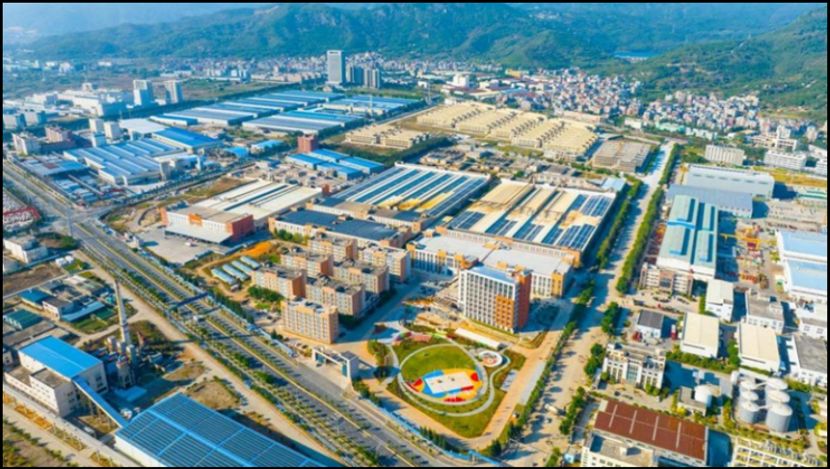
Problems and Solutions for the China-Indonesia "Two Countries, Twin Parks"
The China-Indonesia "Two Countries, Twin Parks" is a flagship project for high-quality Belt and Road cooperation, aligning with Indonesia's "Global Maritime Fulcrum" vision and the implementation of RCEP. Based on the Fuzhou Yuanhong Investment Zone and three industrial parks in Indonesia, it has formed a food processing-led industrial cluster, with bilateral economic and trade cooperation deepening continuously. The park relies on top-level design, infrastructure connectivity, and factor agglomeration for its construction: a vice-ministerial joint working mechanism and multi-level coordinated promotion system have been established; port, logistics, cold chain, and customs clearance facilities have been improved, building a sea-land-air-rail intermodal network; policies at the national, provincial, and municipal levels provide support, with
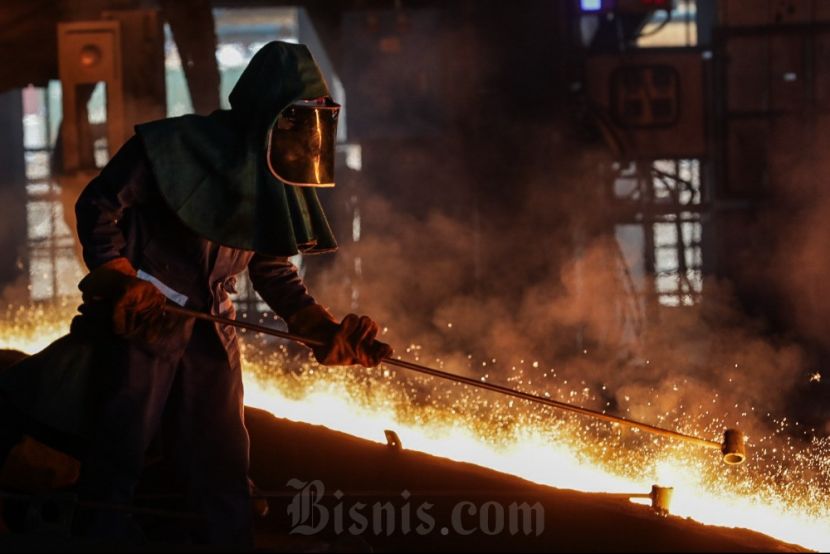
US Urges Indonesia to Limit Overcapacity of Chinese-Invested Smelters
The United States is pushing Indonesia to limit overcapacity of foreign-invested smelters and ensure equal treatment of industrial park facilities, a move seen as targeting China's dominant investment in Indonesia's critical mineral refining sector. In the trade agreement related to reciprocal tariff reductions between the US and Indonesia, Indonesia has committed to limiting overcapacity of foreign-invested smelters (including nickel, cobalt, bauxite, etc.) and ensuring industrial parks comply with relevant regulations. The Head of the Industry, Trade, and Investment Center at the Institute for Development of Economics and Finance (Indef) stated that China has long dominated Indonesia's smelting and refining industry for critical minerals such as nickel, and the US is unwilling to see

Indonesian Cooperative Agricultural Products Continue to Be Exported to China
The Upland Subang Farm Producer Cooperative (Koperasi Produsen Upland Subang Farm) successfully exported 3 tons of mangosteen to China, adding to the 40 tons previously exported by the cooperative, achieving sustained breakthroughs. This export took place during the Ramadan period, bringing positive benefits to the cooperative and local fruit farmers. The Minister of Cooperatives stated that this achievement is inseparable from the long-term guidance provided by the agricultural department to mangosteen farmers in Subang. With government support, local farmers formed a cooperative, standardized the processing and certification of their products, and ultimately succeeded in entering the international market.
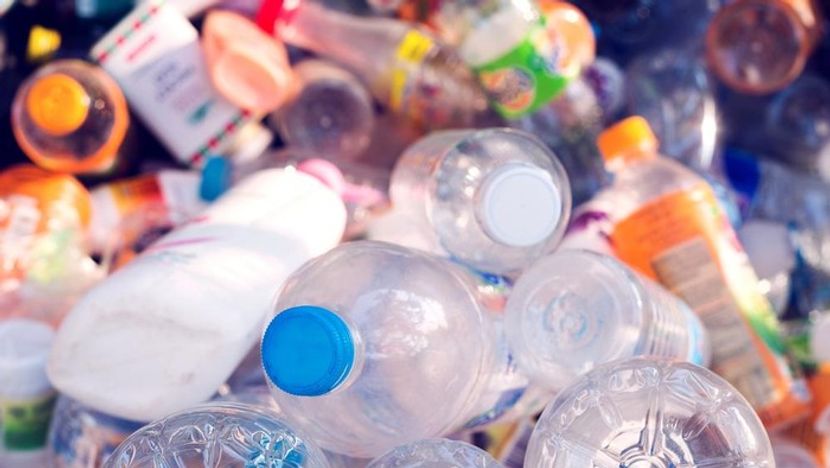
New Waste Processing Plant in Depok, Indonesia to Ease Burden
The Depok City Government announced that it will build a waste processing plant with a daily capacity of 1,000 tons at the Cipayung Final Landfill (TPA Cipayung) to ease the local waste processing burden and reduce dependence on the Nambo Waste Processing Plant (TPPAS Nambo). The Acting Head of the Depok City Environment and Cleanliness Agency stated that the city government is currently advancing cooperation with partner PT BSA, and the two parties have signed a Memorandum of Understanding (MoU) and are currently in the stage of drafting a formal Cooperation Agreement (PKS). To ensure the project
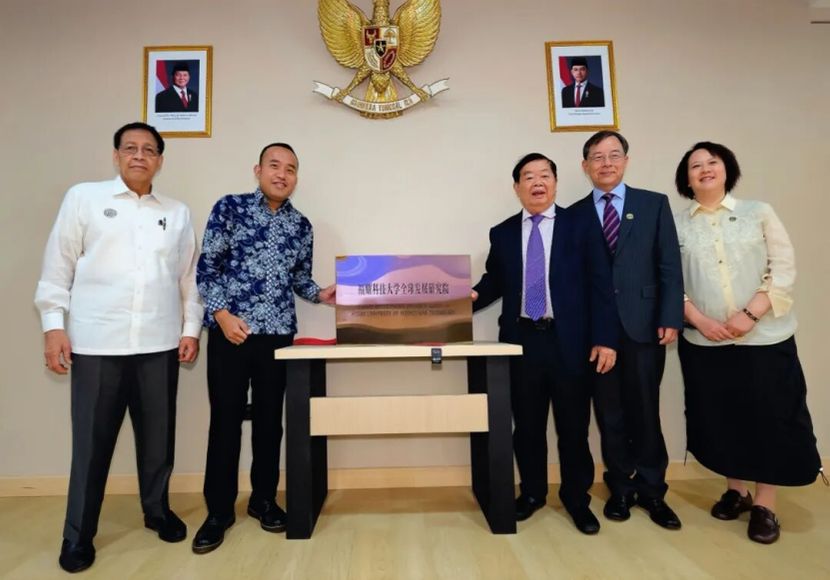
China-Indonesia University-Enterprise Cooperation to Build Development Research Platform
After the launch of the China-Indonesia "Two Countries, Twin Parks" Sci-Tech Innovation Center, Fuyao University of Science and Technology has made another important progress in international cooperation. Recently, the signing ceremony of the China-Indonesia "University-Business-University" (U-B-U) Cooperation Framework Agreement was held at the Ministry of Higher Education, Science and Technology of Indonesia, and the Global Development Research Institute of Fuyao University of Science and Technology was also inaugurated, becoming the university's first overseas independent institution. The ceremony was presided over by a vice-ministerial official from the Ministry of Higher Education, Science and Technology, and attended by Fuyao University of Science and Technology Chairman Cao Dewang, former Indonesian Foreign Minister, representatives from the Ministry of Manpower and the Ministry of Higher Education, the Education Counselor of the Chinese Embassy in Indonesia, as well as representatives from universities and enterprises from both China and Indonesia.
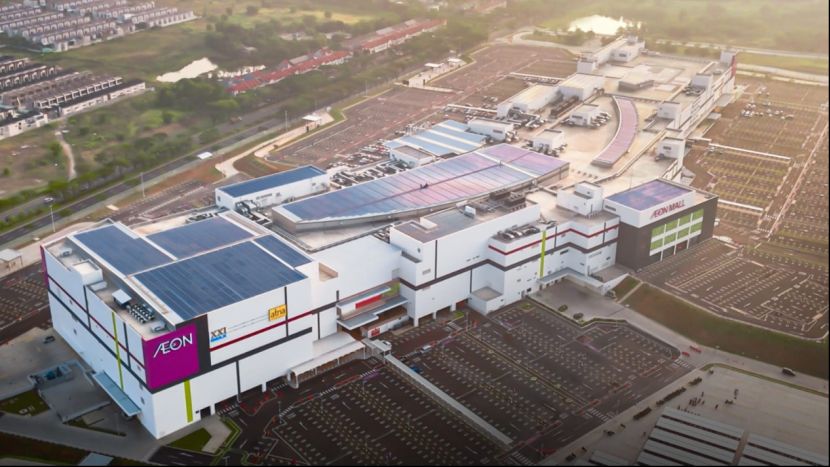
Indonesia Builds Multiple Green Eco-Industrial Parks
SUN Energy, using its Energy as a Solution model, is helping Indonesia build green industrial parks, driving industrial parks and their tenants to reduce emissions, improve efficiency, and meet global ESG standards. This model goes beyond simply supplying solar energy, constructing a complete new energy ecosystem covering photovoltaics, energy storage, energy management, and vehicle electrification, providing a systematic low-carbon foundation for industrial parks. Currently, SUN Energy has installed photovoltaic power stations in three major industrial zones in Indonesia—Karawang International Industrial City (