
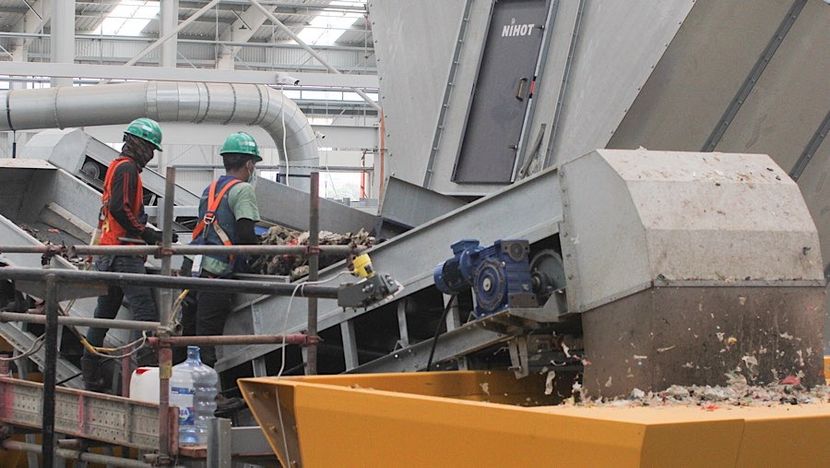
BPI Danantara Plans to Launch Phase II Tender for Waste-to-Energy Project Next Month
The CEO of BPI Danantara revealed after the "2026 Indonesia Economic Outlook" event that the company will launch the second phase of the tender for the Waste-to-Energy Plant (PLTSa) project around March 2026, targeting 12 cities. However, he emphasized that the Phase II tender announcement will only be officially released after the company completes the bid evaluation for the first four cities (Phase I tender) and determines the winning bidder. He disclosed that the first round of bid evaluation will comprehensively assess technical, financial, and technical proposals, and is expected to complete the final review and announce results by the end of February. Danantar

Cheap Imported Goods Flood Indonesian E-commerce Platforms

Sovereign Wealth Fund Danantara Invests USD 7 Billion in Six Major Projects
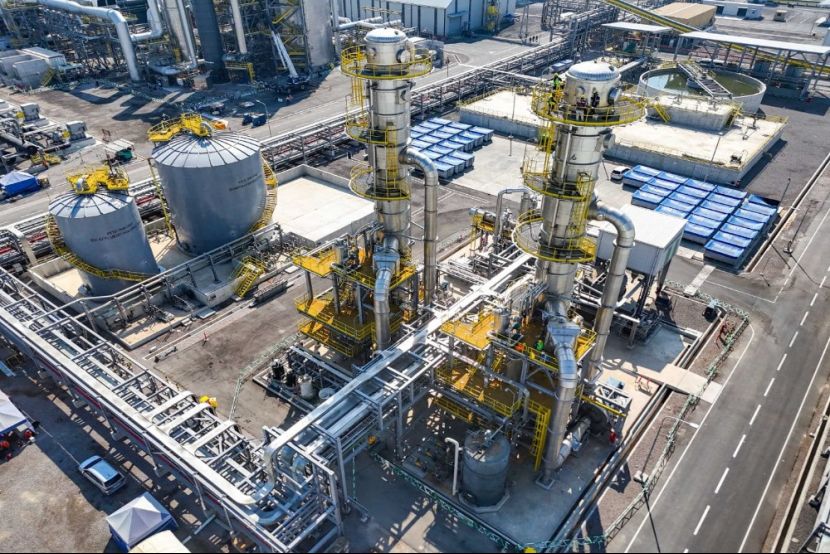
Indonesia's Special Economic Zones Reach Cumulative Investment of IDR 335 Trillion
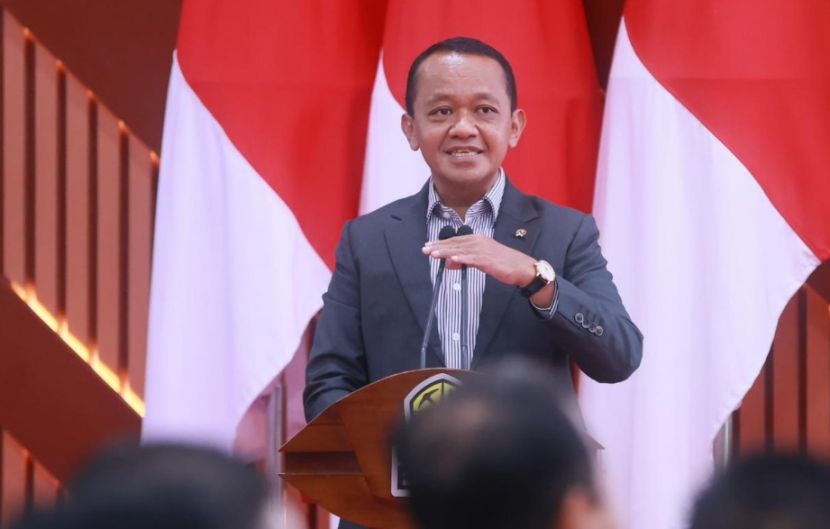
Indonesia's State Electricity Company Fully Supports Integrated Battery Industry Development
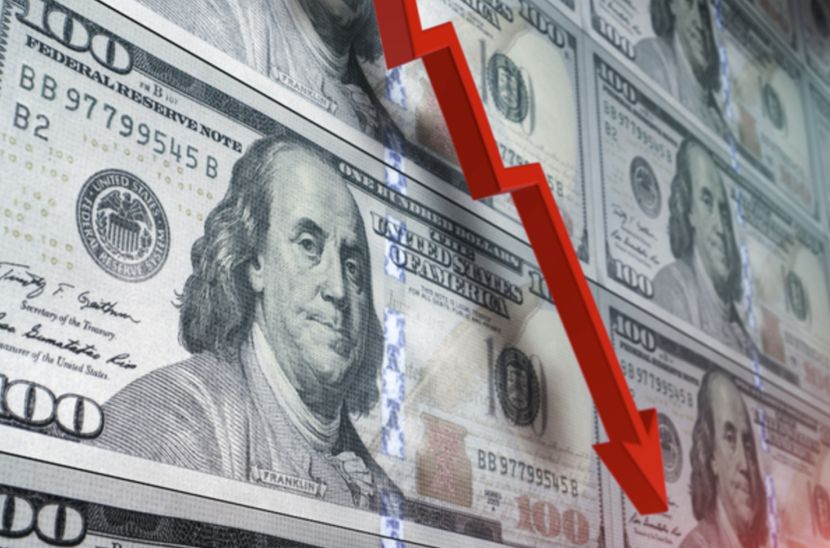
Foreign Capital Outflows from Indonesia Reach IDR 12.55 Trillion at End of January
Data from Bank Indonesia (BI) shows that in the fourth week of January 2026 (January 26-29), foreign capital net outflows from Indonesia's domestic market reached IDR 12.55 trillion (approximately RMB 5.7 billion). The Head of BI's Communications Department disclosed in a written statement that net foreign outflows from the stock market amounted to IDR 12.40 trillion, and from the government bond market (SBN) IDR 2.77 trillion; however, the Indonesian central bank's rupiah securities market (SRBI) recorded net foreign inflows of IDR 2.61 trillion. As of January 29, year-to-date foreign capital in the Indonesian market stands
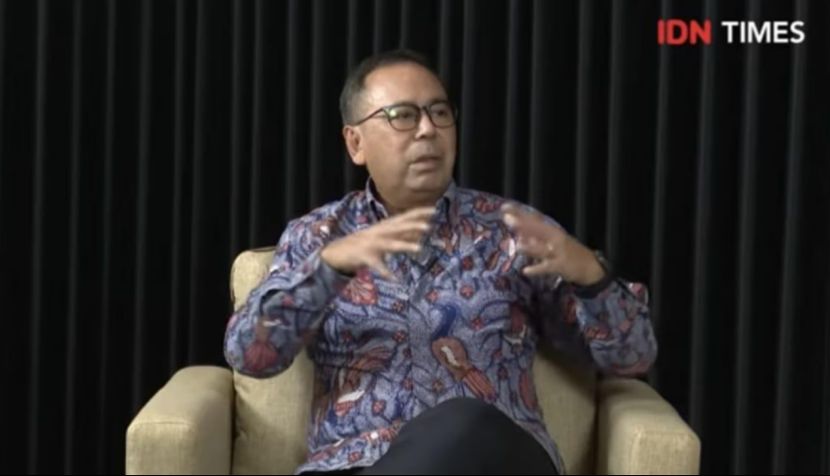
China-Indonesia Economic Cooperation Upgraded to Industrial Chain Integration
The CEO of the Indonesia Investment Authority recently stated that China-Indonesia economic cooperation is evolving from traditional resource complementarity to a higher level of industrial chain integration. The cooperation landscape has expanded from initial sovereign wealth fund collaboration to key areas such as electric vehicle batteries, healthcare, rare earths, and advanced materials. Citing a China-Indonesia joint venture battery component factory as an example, he noted that the factory's scale has quadrupled, reflecting strong market demand and the effectiveness of deep cooperation. He also pointed out that a complete battery industry chain requires both leading companies like CATL and supporting production of key materials such as cathodes, anodes, and separators.
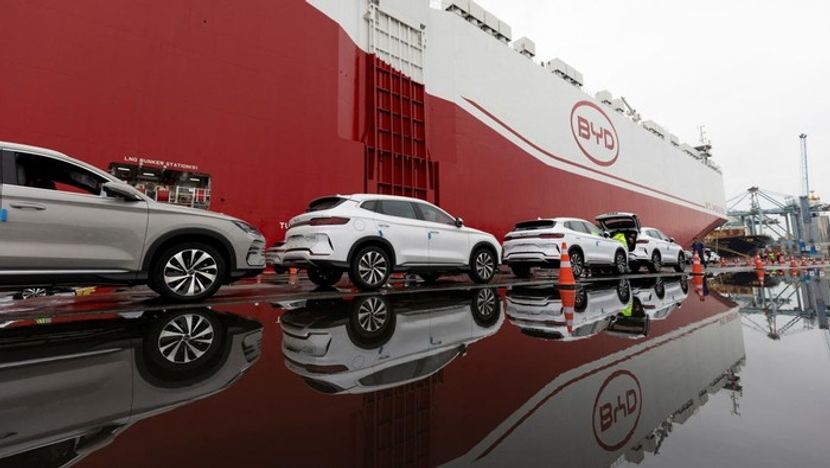
Indonesia Ranks Among Top 10 Destinations for Chinese New Energy Vehicle Exports
In 2025, China's automobile exports reached 8.32 million units, up 30% year-on-year, of which new energy vehicle (NEV) exports were 3.43 million units, surging 70% year-on-year. According to data from the China Passenger Car Association, among the top 10 destinations for Chinese automobile exports, the Philippines is the only Southeast Asian country, with Indonesia and other ASEAN nations not on the list. However, Indonesia ranked ninth in the top 10 destinations for Chinese NEV exports in 2025. The top 10 destinations for Chinese automobile exports are: Mexico 625,187 units, Russia 582,738 units, UAE 571,937 units,
Indonesia to Kick Off Multiple Strategic Project Constructions This Year
Indonesia's Danantara Investment Authority will launch multiple strategic project constructions in 2026, focusing on flagship projects and six downstream industry projects, while simultaneously planning 18 priority projects in downstream and energy security. The overall investment scale is massive, covering key sectors such as mineral processing, energy transition, agriculture, and livelihoods. For flagship projects, the first batch of Waste-to-Energy (PSEL) projects will be implemented in four mature areas: Bekasi, Bogor, Bali, and Yogyakarta. Construction is expected to commence in phases from March to June, with individual project investments of around IDR 2–3 trillion. A
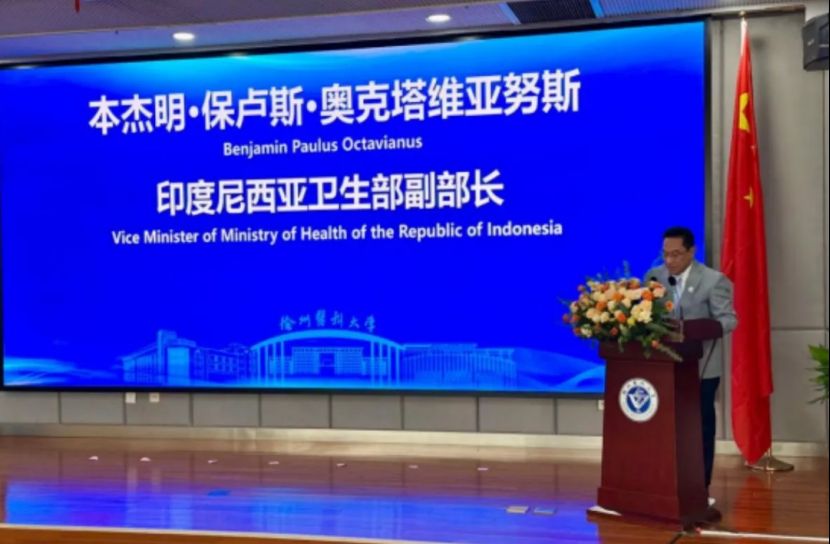
Indonesia's Ministry of Health Partners with Xuzhou Medical University to Build Cross-Border Medical Innovation Hub
Indonesia and China have reached a consensus to jointly establish a joint laboratory focused on medical artificial intelligence, deepening cooperation in digital health. Indonesia stated that this move will accelerate its healthcare system reform and strengthen the local medical industry. Indonesia's Vice Minister of Health recently announced that the Ministry of Health, Xuzhou Medical University, and the National Standardization Agency of Indonesia have signed a tripartite memorandum of understanding to build the China-Indonesia Joint Laboratory for Digital Medicine and Active Health. The collaboration will focus on diagnosis and treatment, research, standardization, and the medical device industry, with an emphasis on regulating and safely applying digital technologies for Indonesia's digital
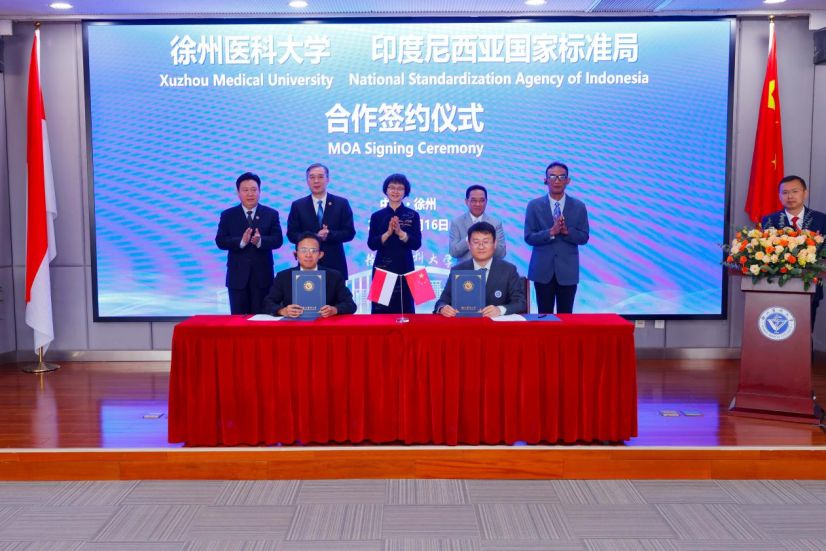
Chinese University and Indonesian National Standardization Agency Jointly Establish Laboratory
Xuzhou Medical University and the National Standardization Agency of Indonesia (BSN) signed a cooperation agreement in Xuzhou to jointly establish the China-Indonesia Joint Laboratory for Digital Medicine and Active Health. The Deputy Minister of Health of Indonesia, Secretary-General of the Indonesian Standardization Agency, Chairman of the Indonesian Hospital Association, as well as representatives from the Jiangsu Provincial Department of Education and Xuzhou Medical University attended the signing ceremony. The university's Party Secretary stated that the university will use its self-developed Medical Network and System Services (MNSS) platform as the digital foundation, turning the joint laboratory into a regional industrial internationalization accelerator, promoting the export of medical devices and health services from Xuzhou and the Huaihai Economic Zone, and providing full-element support to build a high-quality research ecosystem.
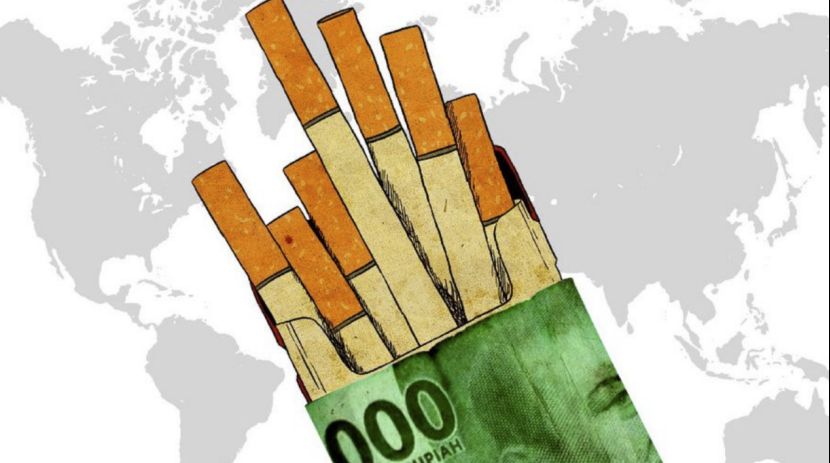
Last year, Indonesia's cigarette production and sales both slumped
In 2025, Indonesia's cigarette industry showed an overall weak performance, with both production and sales slumping. Annual production reached 307.8 billion sticks, down 3% year-on-year, the lowest in a decade since 2016. December monthly production was 29 billion sticks, up 3.8% month-on-month but still down sharply by 15.9% year-on-year. Historically, December usually sees increased production due to rising year-end demand and expectations of a consumption tax hike the following year. However, since excise taxes were not raised in 2026, manufacturers no longer needed to stockpile cheaper tax-band products in advance, which directly affected the production rhythm. One of the important reasons for the decline in production is