
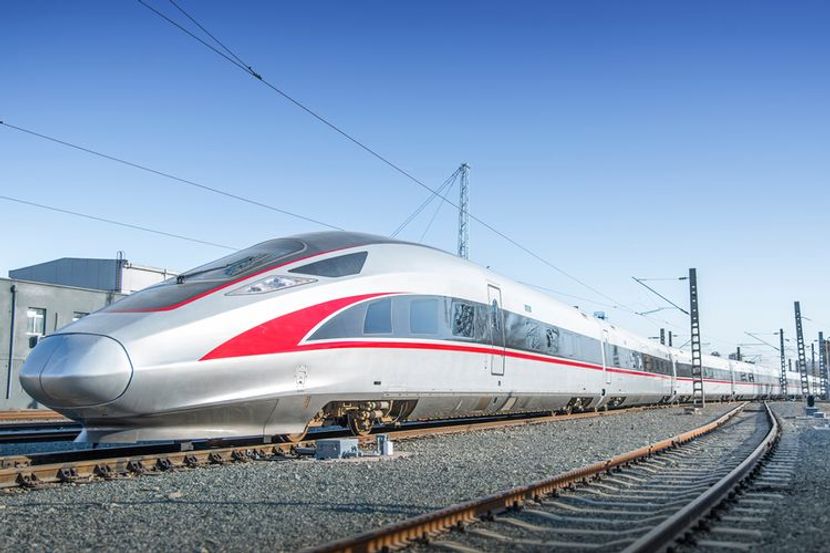
 The Director of Public Policy at the Center for Economic and Legal Studies (Celios) believes that the government needs to review the plan to extend the Jakarta-Bandung high-speed rail project to Surabaya in East Java. He argues that the Jakarta-Bandung high-speed rail project requires reflection, as it has encountered numerous problems from planning and construction to current operations. This should serve as a caution for the next government when considering whether to actually build the Jakarta-Surabaya high-speed rail, given the many issues already present in the Jakarta-Bandung line. A researcher at the Center for Economic and Legal Studies (Celios) stated that the Jakarta-Bandung high-speed rail project has deviated from its initial development plan. The initial plan for the high-speed rail was a track length of 150.5 km with 8 stations. However, the currently realized track length is 142.3 km with 4 stations, one of which (Karawang Station) will begin operations in 2025. The operational targets for this high-speed rail have also failed to meet the initial target of operating from 2019 to 2023. During construction, there were cost overruns, as the initial budget was $5.5 billion but actual expenditure reached $7.27 billion. He also assessed that with ticket prices set at IDR 175,000 to IDR 600,000, this mode of public transport can only be enjoyed by the middle and upper classes. Additionally, the government targets revenue of up to $62.2 billion (equivalent to IDR 961 trillion) from the Jakarta-Bandung high-speed rail between 2019 and 2050.
Currently, the average ticket price across all service classes is IDR 330,000. To achieve this target, the high-speed train must carry at least 398,000 passengers per day from 2025 to 2045. This figure exceeds the current average daily ridership of approximately 19,000 for the Jakarta-Bandung route. Moreover, the Jakarta-Bandung express train only stops at four stations: Halim, Karawang, Padalarang, and Tegalluar, so it certainly cannot fully meet everyone's destination needs. Achieving this target is highly unlikely, and even if possible, it would take longer than 2045 to actually realize the IDR 961 trillion target. Regarding this issue, if the Jakarta-Surabaya high-speed rail project follows the same model as the Jakarta-Bandung project, it is not impossible that it will place a greater burden on the state budget. The project also fails to strategically address public transportation issues, as it will only benefit upper-class users rather than lower-income people. Despite the numerous serious problems currently faced by the high-speed rail project, the government appears unwilling to review it and instead proceeds with the next project from Jakarta to Surabaya.
The Director of Public Policy at the Center for Economic and Legal Studies (Celios) believes that the government needs to review the plan to extend the Jakarta-Bandung high-speed rail project to Surabaya in East Java. He argues that the Jakarta-Bandung high-speed rail project requires reflection, as it has encountered numerous problems from planning and construction to current operations. This should serve as a caution for the next government when considering whether to actually build the Jakarta-Surabaya high-speed rail, given the many issues already present in the Jakarta-Bandung line. A researcher at the Center for Economic and Legal Studies (Celios) stated that the Jakarta-Bandung high-speed rail project has deviated from its initial development plan. The initial plan for the high-speed rail was a track length of 150.5 km with 8 stations. However, the currently realized track length is 142.3 km with 4 stations, one of which (Karawang Station) will begin operations in 2025. The operational targets for this high-speed rail have also failed to meet the initial target of operating from 2019 to 2023. During construction, there were cost overruns, as the initial budget was $5.5 billion but actual expenditure reached $7.27 billion. He also assessed that with ticket prices set at IDR 175,000 to IDR 600,000, this mode of public transport can only be enjoyed by the middle and upper classes. Additionally, the government targets revenue of up to $62.2 billion (equivalent to IDR 961 trillion) from the Jakarta-Bandung high-speed rail between 2019 and 2050.
Currently, the average ticket price across all service classes is IDR 330,000. To achieve this target, the high-speed train must carry at least 398,000 passengers per day from 2025 to 2045. This figure exceeds the current average daily ridership of approximately 19,000 for the Jakarta-Bandung route. Moreover, the Jakarta-Bandung express train only stops at four stations: Halim, Karawang, Padalarang, and Tegalluar, so it certainly cannot fully meet everyone's destination needs. Achieving this target is highly unlikely, and even if possible, it would take longer than 2045 to actually realize the IDR 961 trillion target. Regarding this issue, if the Jakarta-Surabaya high-speed rail project follows the same model as the Jakarta-Bandung project, it is not impossible that it will place a greater burden on the state budget. The project also fails to strategically address public transportation issues, as it will only benefit upper-class users rather than lower-income people. Despite the numerous serious problems currently faced by the high-speed rail project, the government appears unwilling to review it and instead proceeds with the next project from Jakarta to Surabaya.
Experts Urge Indonesian Government to Reassess Jakarta-Surabaya High-Speed Rail
www.indoent.com
2024-09-23
The Director of Public Policy at the Center for Economic and Legal Studies (Celios) believes that the government needs to review the plan to extend the Jakarta-Bandung high-speed rail project to Surabaya in East Java. He argues that the Jakarta-Bandung high-speed rail project requires reflection, as it has encountered numerous problems from planning and construction to current operations. This should serve as a caution for the next government when considering whether to actually build the Jakarta-Surabaya high-speed rail, given the many issues already present in the Jakarta-Bandung line. A researcher at Celios stated that the Jakarta-Bandung high-speed rail project has deviated from its initial development plan.
The Director of Public Policy at the Center for Economic and Legal Studies (Celios) believes that the government needs to review the plan to extend the Jakarta-Bandung high-speed rail project to Surabaya in East Java. He argues that the Jakarta-Bandung high-speed rail project requires reflection, as it has encountered numerous problems from planning and construction to current operations. This should serve as a caution for the next government when considering whether to actually build the Jakarta-Surabaya high-speed rail, given the many issues already present in the Jakarta-Bandung line. A researcher at the Center for Economic and Legal Studies (Celios) stated that the Jakarta-Bandung high-speed rail project has deviated from its initial development plan. The initial plan for the high-speed rail was a track length of 150.5 km with 8 stations. However, the currently realized track length is 142.3 km with 4 stations, one of which (Karawang Station) will begin operations in 2025. The operational targets for this high-speed rail have also failed to meet the initial target of operating from 2019 to 2023. During construction, there were cost overruns, as the initial budget was $5.5 billion but actual expenditure reached $7.27 billion. He also assessed that with ticket prices set at IDR 175,000 to IDR 600,000, this mode of public transport can only be enjoyed by the middle and upper classes. Additionally, the government targets revenue of up to $62.2 billion (equivalent to IDR 961 trillion) from the Jakarta-Bandung high-speed rail between 2019 and 2050.
Currently, the average ticket price across all service classes is IDR 330,000. To achieve this target, the high-speed train must carry at least 398,000 passengers per day from 2025 to 2045. This figure exceeds the current average daily ridership of approximately 19,000 for the Jakarta-Bandung route. Moreover, the Jakarta-Bandung express train only stops at four stations: Halim, Karawang, Padalarang, and Tegalluar, so it certainly cannot fully meet everyone's destination needs. Achieving this target is highly unlikely, and even if possible, it would take longer than 2045 to actually realize the IDR 961 trillion target. Regarding this issue, if the Jakarta-Surabaya high-speed rail project follows the same model as the Jakarta-Bandung project, it is not impossible that it will place a greater burden on the state budget. The project also fails to strategically address public transportation issues, as it will only benefit upper-class users rather than lower-income people. Despite the numerous serious problems currently faced by the high-speed rail project, the government appears unwilling to review it and instead proceeds with the next project from Jakarta to Surabaya.
Tags
Social Dynamics
Share to


