


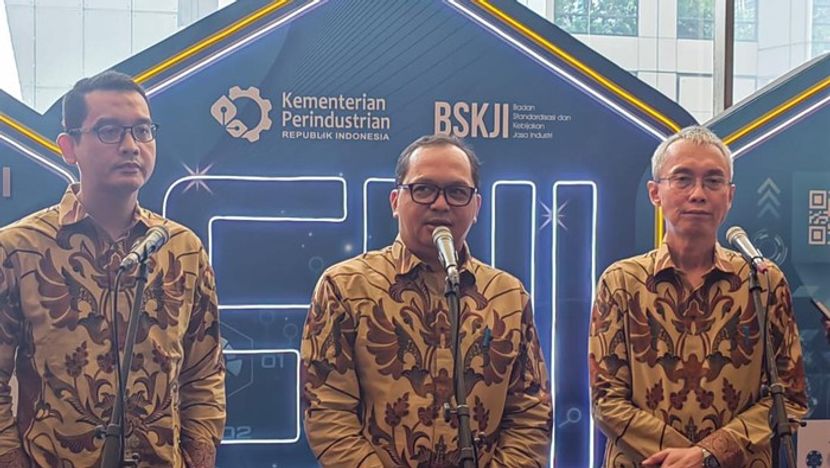
 Imported products that do not comply with the Indonesian National Standard (SNI) can enter the country, as revealed by the Head of the Industrial Service Standardization and Policy Agency at the Ministry of Industry (Kemenperin). The standardization body under the ministry has a center called the Industrial Standards Supervision Center, which has repeatedly found imported products that are allegedly legally entering without SNI, even though it is mandatory. This indicates the difference between legal and illegal. This situation has the potential to cause state losses due to the loss of import duties on imported goods, and these goods have also not undergone the SNI process. If the correct HS code were used, the state could collect 10% import duty. But because of the HS code transfer, they don't have to worry about SNI, so they only pay, for example, 5% or even 0% import duty, indicating a loss to the state. Therefore, Minister of Industry Regulation No. 45 of 2022 stipulates that foreign producers must have an official representative in Indonesia, so imported goods must first go to the official representative's warehouse, making it easier to supervise. Indonesia is the country in Southeast Asia that uses the least national standards for products, with only 130 SNI standards being mandatory. Of the 5,000 manufactured products that require SNI, only 3–4% are mandatory. Meanwhile, in other neighboring countries such as Vietnam, Thailand, Malaysia, and especially China, the number of mandatory national standards is higher.
At the same time, the Minister of Industry has introduced 16 Minister of Industry Regulations (Permenperin) regarding the mandatory implementation of industrial standardization. These 16 ministerial regulations regulate the conformity assessment process, including appropriate and correct audits and testing. To support the implementation of these 16 regulations, the Ministry of Industry has designated Conformity Assessment Bodies (LPK), consisting of 20 Product Certification Bodies (LSPro) and 28 testing laboratories, ready to carry out product certification and testing. The 16 new Permenperin regulations aim to regulate various industrial products, including prestressed wire products, calcium carbide, valves, stoves, LPG gas stove hoses, ceramic tiles, backpack sprayers, safety shoes, sodium tripolyphosphate, aluminum sulfate, zinc oxide, and cement. To date, 44 draft ministerial regulations have been harmonized, of which details for 16 ministerial regulations have been published, and 28 draft ministerial regulations are in the process of being published. Meanwhile, 24 other draft ministerial regulations are still under discussion with stakeholders, all with reference to the provisions of Minister of Industry Regulation No. 45 of 2022.
Imported products that do not comply with the Indonesian National Standard (SNI) can enter the country, as revealed by the Head of the Industrial Service Standardization and Policy Agency at the Ministry of Industry (Kemenperin). The standardization body under the ministry has a center called the Industrial Standards Supervision Center, which has repeatedly found imported products that are allegedly legally entering without SNI, even though it is mandatory. This indicates the difference between legal and illegal. This situation has the potential to cause state losses due to the loss of import duties on imported goods, and these goods have also not undergone the SNI process. If the correct HS code were used, the state could collect 10% import duty. But because of the HS code transfer, they don't have to worry about SNI, so they only pay, for example, 5% or even 0% import duty, indicating a loss to the state. Therefore, Minister of Industry Regulation No. 45 of 2022 stipulates that foreign producers must have an official representative in Indonesia, so imported goods must first go to the official representative's warehouse, making it easier to supervise. Indonesia is the country in Southeast Asia that uses the least national standards for products, with only 130 SNI standards being mandatory. Of the 5,000 manufactured products that require SNI, only 3–4% are mandatory. Meanwhile, in other neighboring countries such as Vietnam, Thailand, Malaysia, and especially China, the number of mandatory national standards is higher.
At the same time, the Minister of Industry has introduced 16 Minister of Industry Regulations (Permenperin) regarding the mandatory implementation of industrial standardization. These 16 ministerial regulations regulate the conformity assessment process, including appropriate and correct audits and testing. To support the implementation of these 16 regulations, the Ministry of Industry has designated Conformity Assessment Bodies (LPK), consisting of 20 Product Certification Bodies (LSPro) and 28 testing laboratories, ready to carry out product certification and testing. The 16 new Permenperin regulations aim to regulate various industrial products, including prestressed wire products, calcium carbide, valves, stoves, LPG gas stove hoses, ceramic tiles, backpack sprayers, safety shoes, sodium tripolyphosphate, aluminum sulfate, zinc oxide, and cement. To date, 44 draft ministerial regulations have been harmonized, of which details for 16 ministerial regulations have been published, and 28 draft ministerial regulations are in the process of being published. Meanwhile, 24 other draft ministerial regulations are still under discussion with stakeholders, all with reference to the provisions of Minister of Industry Regulation No. 45 of 2022.
Imported products that do not comply with the Indonesian National Standard (SNI) can enter the country, as revealed by the Head of the Industrial Service Standardization and Policy Agency at the Ministry of Industry (Kemenperin). The standardization body under the ministry has a center called the Industrial Standards Supervision Center, which has repeatedly found imported products that are allegedly legally entering without SNI, even though it is mandatory. This indicates the difference between legal and illegal. This situation has the potential to cause state losses due to the loss of import duties on imported goods, and these goods have also not undergone the SNI process. If the correct HS code were used, the state could collect 10% import duty. But because of the HS code transfer, they don't have to worry about SNI, so they only pay, for example, 5% or even 0% import duty, indicating a loss to the state. Therefore, Minister of Industry Regulation No. 45 of 2022 stipulates that foreign producers must have an official representative in Indonesia, so imported goods must first go to the official representative's warehouse, making it easier to supervise. Indonesia is the country in Southeast Asia that uses the least national standards for products, with only 130 SNI standards being mandatory. Of the 5,000 manufactured products that require SNI, only 3–4% are mandatory. Meanwhile, in other neighboring countries such as Vietnam, Thailand, Malaysia, and especially China, the number of mandatory national standards is higher.
At the same time, the Minister of Industry has introduced 16 Minister of Industry Regulations (Permenperin) regarding the mandatory implementation of industrial standardization. These 16 ministerial regulations regulate the conformity assessment process, including appropriate and correct audits and testing. To support the implementation of these 16 regulations, the Ministry of Industry has designated Conformity Assessment Bodies (LPK), consisting of 20 Product Certification Bodies (LSPro) and 28 testing laboratories, ready to carry out product certification and testing. The 16 new Permenperin regulations aim to regulate various industrial products, including prestressed wire products, calcium carbide, valves, stoves, LPG gas stove hoses, ceramic tiles, backpack sprayers, safety shoes, sodium tripolyphosphate, aluminum sulfate, zinc oxide, and cement. To date, 44 draft ministerial regulations have been harmonized, of which details for 16 ministerial regulations have been published, and 28 draft ministerial regulations are in the process of being published. Meanwhile, 24 other draft ministerial regulations are still under discussion with stakeholders, all with reference to the provisions of Minister of Industry Regulation No. 45 of 2022.
Imported products that do not comply with the Indonesian National Standard (SNI) can enter the country, as revealed by the Head of the Industrial Service Standardization and Policy Agency at the Ministry of Industry (Kemenperin). The standardization body under the ministry has a center called the Industrial Standards Supervision Center, which has repeatedly found imported products that are allegedly legally entering without SNI, even though it is mandatory. This indicates the difference between legal and illegal. This situation has the potential to cause state losses due to the loss of import duties on imported goods, and these goods have also not undergone the SNI process. If the correct HS code were used, the state could collect 10% import duty. But because of the HS code transfer, they don't have to worry about SNI, so they only pay, for example, 5% or even 0% import duty, indicating a loss to the state. Therefore, Minister of Industry Regulation No. 45 of 2022 stipulates that foreign producers must have an official representative in Indonesia, so imported goods must first go to the official representative's warehouse, making it easier to supervise. Indonesia is the country in Southeast Asia that uses the least national standards for products, with only 130 SNI standards being mandatory. Of the 5,000 manufactured products that require SNI, only 3–4% are mandatory. Meanwhile, in other neighboring countries such as Vietnam, Thailand, Malaysia, and especially China, the number of mandatory national standards is higher.
At the same time, the Minister of Industry has introduced 16 Minister of Industry Regulations (Permenperin) regarding the mandatory implementation of industrial standardization. These 16 ministerial regulations regulate the conformity assessment process, including appropriate and correct audits and testing. To support the implementation of these 16 regulations, the Ministry of Industry has designated Conformity Assessment Bodies (LPK), consisting of 20 Product Certification Bodies (LSPro) and 28 testing laboratories, ready to carry out product certification and testing. The 16 new Permenperin regulations aim to regulate various industrial products, including prestressed wire products, calcium carbide, valves, stoves, LPG gas stove hoses, ceramic tiles, backpack sprayers, safety shoes, sodium tripolyphosphate, aluminum sulfate, zinc oxide, and cement. To date, 44 draft ministerial regulations have been harmonized, of which details for 16 ministerial regulations have been published, and 28 draft ministerial regulations are in the process of being published. Meanwhile, 24 other draft ministerial regulations are still under discussion with stakeholders, all with reference to the provisions of Minister of Industry Regulation No. 45 of 2022.