


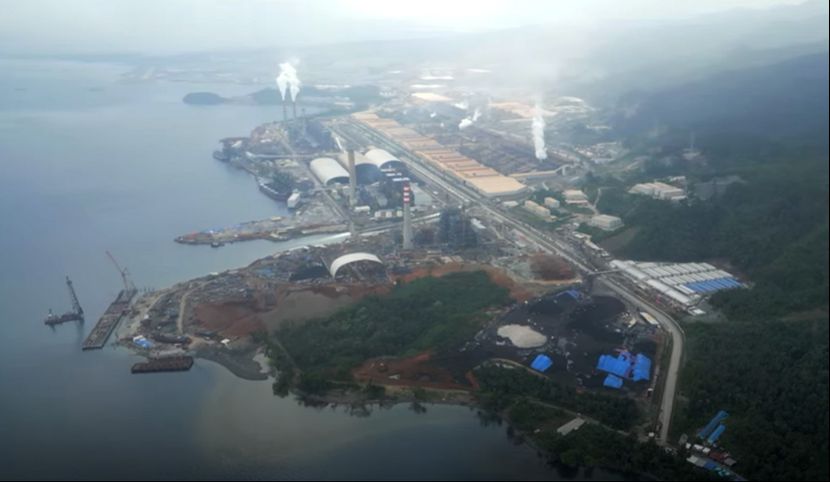
 To strengthen downstream industry development, the Ministry of Industry (Kemenperin) continues to enhance downstream optimization and improve the competitiveness of the national copper and tin industry. Furthermore, the copper and tin industries play an important role in supporting downstream industries such as automotive, electronics, electrical equipment, and renewable energy. To this end, effective January 1, 2025, the export of copper concentrate and anode slime will be officially banned. The Director of Metal, Machinery, Transportation Equipment, and Electronics Industry (ILMATE) at the Ministry of Industry stated that this decision is to continue encouraging further downstream industry development. Meanwhile, on the other hand, tin is still widely exported in the form of raw metal. Downstream industries must become the main focus for producing high value-added products, such as cathode copper, tinplate, and other downstream products, which will also strengthen Indonesia's position as a major player in the international market.
Furthermore, Indonesia has substantial copper reserves of approximately 28 million tons, making it the seventh-largest holder of copper reserves in the world. Indonesia is also the world's second-largest tin producer, accounting for 14% of global total production. To support the plan to optimize the copper and tin industries, the Ministry of Industry will establish a copper and tin materials center. This raw materials center is expected to become the hub for raw material innovation and coordinated distribution for the domestic copper and tin industry. The materials center will support downstream industry development, reduce dependence on imported raw materials, and enhance supply chain efficiency, thereby encouraging export growth of high value-added products.
To strengthen downstream industry development, the Ministry of Industry (Kemenperin) continues to enhance downstream optimization and improve the competitiveness of the national copper and tin industry. Furthermore, the copper and tin industries play an important role in supporting downstream industries such as automotive, electronics, electrical equipment, and renewable energy. To this end, effective January 1, 2025, the export of copper concentrate and anode slime will be officially banned. The Director of Metal, Machinery, Transportation Equipment, and Electronics Industry (ILMATE) at the Ministry of Industry stated that this decision is to continue encouraging further downstream industry development. Meanwhile, on the other hand, tin is still widely exported in the form of raw metal. Downstream industries must become the main focus for producing high value-added products, such as cathode copper, tinplate, and other downstream products, which will also strengthen Indonesia's position as a major player in the international market.
Furthermore, Indonesia has substantial copper reserves of approximately 28 million tons, making it the seventh-largest holder of copper reserves in the world. Indonesia is also the world's second-largest tin producer, accounting for 14% of global total production. To support the plan to optimize the copper and tin industries, the Ministry of Industry will establish a copper and tin materials center. This raw materials center is expected to become the hub for raw material innovation and coordinated distribution for the domestic copper and tin industry. The materials center will support downstream industry development, reduce dependence on imported raw materials, and enhance supply chain efficiency, thereby encouraging export growth of high value-added products.
To strengthen downstream industry development, the Ministry of Industry (Kemenperin) continues to enhance downstream optimization and improve the competitiveness of the national copper and tin industry. Furthermore, the copper and tin industries play an important role in supporting downstream industries such as automotive, electronics, electrical equipment, and renewable energy. To this end, effective January 1, 2025, the export of copper concentrate and anode slime will be officially banned. The Director of Metal, Machinery, Transportation Equipment, and Electronics Industry (ILMATE) at the Ministry of Industry stated that this decision is to continue encouraging further downstream industry development. Meanwhile, on the other hand, tin is still widely exported in the form of raw metal. Downstream industries must become the main focus for producing high value-added products, such as cathode copper, tinplate, and other downstream products, which will also strengthen Indonesia's position as a major player in the international market.
Furthermore, Indonesia has substantial copper reserves of approximately 28 million tons, making it the seventh-largest holder of copper reserves in the world. Indonesia is also the world's second-largest tin producer, accounting for 14% of global total production. To support the plan to optimize the copper and tin industries, the Ministry of Industry will establish a copper and tin materials center. This raw materials center is expected to become the hub for raw material innovation and coordinated distribution for the domestic copper and tin industry. The materials center will support downstream industry development, reduce dependence on imported raw materials, and enhance supply chain efficiency, thereby encouraging export growth of high value-added products.
To strengthen downstream industry development, the Ministry of Industry (Kemenperin) continues to enhance downstream optimization and improve the competitiveness of the national copper and tin industry. Furthermore, the copper and tin industries play an important role in supporting downstream industries such as automotive, electronics, electrical equipment, and renewable energy. To this end, effective January 1, 2025, the export of copper concentrate and anode slime will be officially banned. The Director of Metal, Machinery, Transportation Equipment, and Electronics Industry (ILMATE) at the Ministry of Industry stated that this decision is to continue encouraging further downstream industry development. Meanwhile, on the other hand, tin is still widely exported in the form of raw metal. Downstream industries must become the main focus for producing high value-added products, such as cathode copper, tinplate, and other downstream products, which will also strengthen Indonesia's position as a major player in the international market.
Furthermore, Indonesia has substantial copper reserves of approximately 28 million tons, making it the seventh-largest holder of copper reserves in the world. Indonesia is also the world's second-largest tin producer, accounting for 14% of global total production. To support the plan to optimize the copper and tin industries, the Ministry of Industry will establish a copper and tin materials center. This raw materials center is expected to become the hub for raw material innovation and coordinated distribution for the domestic copper and tin industry. The materials center will support downstream industry development, reduce dependence on imported raw materials, and enhance supply chain efficiency, thereby encouraging export growth of high value-added products.