
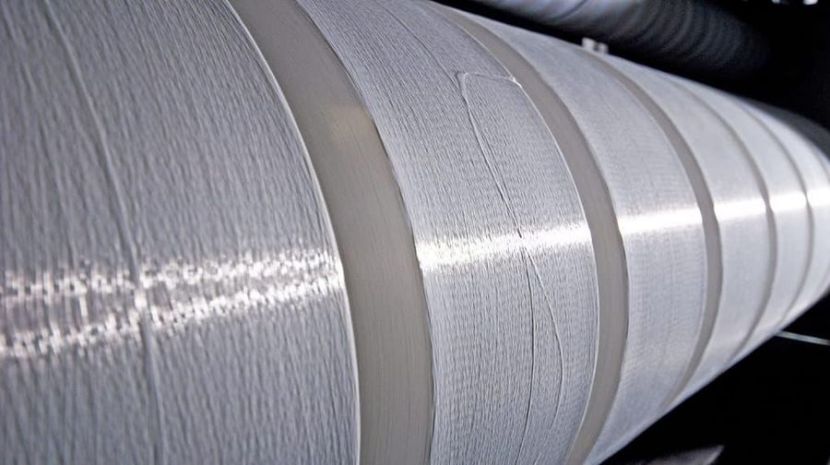
 The US-China trade war has made it difficult for some Chinese products to enter the US market due to high tariffs, causing them to flood into Indonesia instead, including clothing and other products. This has raised concerns among local Indonesian textile industry practitioners, such as local pajama sellers expressing worries about the industry's prospects. The chairman of the Indonesian Fiber and Filament Manufacturers Association pointed out that the influx of Chinese clothing products and the increase in tariffs on exports to the US will impact the upstream and downstream sectors of Indonesia's domestic clothing production. It is estimated that approximately 125,000 people in the filament production sector alone face unemployment. The Minister of Industry acknowledged the issue of imported clothing flooding in during the US-China trade war but did not specify the source of the products. He stated that transshipment issues have exacerbated the phenomenon and proposed strengthening the management of certificates of origin, adding that the government will help the domestic textile industry cope with economic uncertainty. Economists believe that regardless of how the Indonesian government negotiates, Indonesia will actually become more dependent on China in trade. Because there are restrictions on US products entering Indonesia, Chinese products have more advantages in entering the Indonesian market when non-tariff measures are relaxed. The association chairman suggested that the Indonesian government take a series of measures, such as imposing safeguard tariffs and anti-dumping tariffs, and strictly controlling the issuance of certificates of origin for Indonesian export products, to protect domestic industries from the impact of imported products.
US-China Trade War Causes Chinese Textile Products to Flood into Indonesia
www.indoent.com
2025-05-01
The US-China trade war has made it difficult for some Chinese products to enter the US market due to high tariffs, causing them to flood into Indonesia instead, including clothing and other products. This has raised concerns among local Indonesian textile industry practitioners, such as local pajama sellers expressing worries about the industry's prospects. The chairman of the Indonesian Fiber and Filament Manufacturers Association pointed out that the influx of Chinese clothing products and the increase in tariffs on exports to the US will impact the upstream and downstream sectors of Indonesia's domestic clothing production. It is estimated that approximately 125,000 people in the filament production sector alone face unemployment. The Minister of Industry acknowledged the issue of imported clothing flooding in during the US-China trade war but did not specify the source of the products. He stated that transshipment issues have exacerbated the phenomenon and proposed strengthening the management of certificates of origin, adding that the government will help the domestic textile industry cope with economic uncertainty. Economists believe that regardless of how the Indonesian government negotiates, Indonesia will actually become more dependent on China in trade. Because there are restrictions on US products entering Indonesia, Chinese products have more advantages in entering the Indonesian market when non-tariff measures are relaxed. The association chairman suggested that the Indonesian government take a series of measures, such as imposing safeguard tariffs and anti-dumping tariffs, and strictly controlling the issuance of certificates of origin for Indonesian export products, to protect domestic industries from the impact of imported products.
The US-China trade war has made it difficult for some Chinese products to enter the US market due to high tariffs, causing them to flood into Indonesia instead, including clothing and other products. This has raised concerns among local Indonesian textile industry practitioners, such as local pajama sellers expressing worries about the industry's prospects. The chairman of the Indonesian Fiber and Filament Manufacturers Association pointed out that the influx of Chinese clothing products and the increase in tariffs on exports to the US will impact the upstream and downstream sectors of Indonesia's domestic clothing production. It is estimated that approximately 125,000 people in the filament production sector alone face unemployment. The Minister of Industry acknowledged the issue of imported clothing flooding in during the US-China trade war but did not specify the source of the products. He stated that transshipment issues have exacerbated the phenomenon and proposed strengthening the management of certificates of origin, adding that the government will help the domestic textile industry cope with economic uncertainty. Economists believe that regardless of how the Indonesian government negotiates, Indonesia will actually become more dependent on China in trade. Because there are restrictions on US products entering Indonesia, Chinese products have more advantages in entering the Indonesian market when non-tariff measures are relaxed. The association chairman suggested that the Indonesian government take a series of measures, such as imposing safeguard tariffs and anti-dumping tariffs, and strictly controlling the issuance of certificates of origin for Indonesian export products, to protect domestic industries from the impact of imported products.
Tags
Industry News
Share to
Related Reading
 Industry Flash
Cheap Chinese Plastics Impact Indonesia's Petrochemical Industry, Association Calls for Protection
2026-09-03 Industry News
Investment Heat in Two Key Industrial Parks in Central Java Continues to Rise
2026-08-31 Industry News