
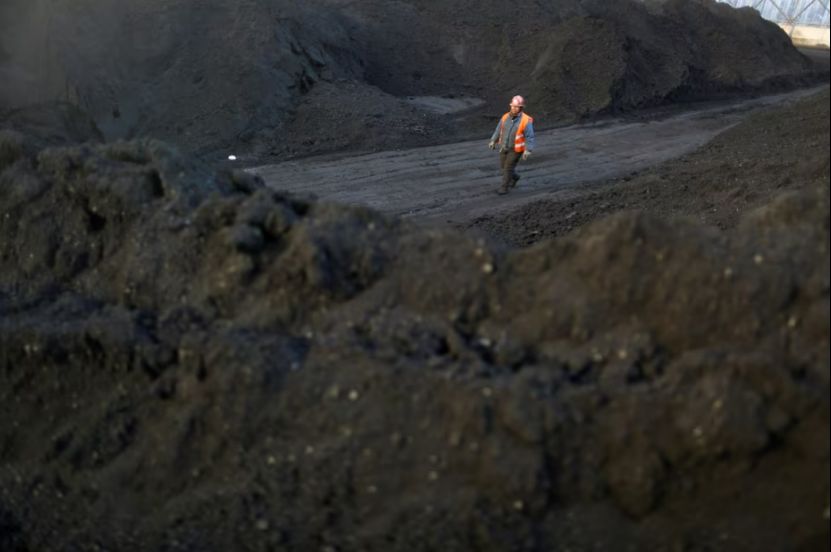
 In May 2025, China shipped at least three batches of coking coal to processing companies in Sulawesi, Indonesia, entering a market typically dominated by supplies from Australia and local Indonesian sources. Chinese customs monthly data shows that since early 2024, China has exported coking coal to Indonesia only three times; in April 2025, China exported 78,030 metric tons of coking coal to Indonesia, the first shipment since July 2024, with May data yet to be released. China is the world's largest importer of coking coal, not a major exporter of this steelmaking fuel. Independent consultants said the move aims to test the economic feasibility of Chinese supply and signal to traditional sellers like Australia that Indonesian plants have other options. Due to higher costs and intense competition from Russia and Mongolia, this trade is unlikely to become mainstream. A senior executive at a Chinese trading company said last week that in the long run, as China's steel industry slows down, it may free up coking coal supply, making it a regular export product. Coking plants in Sulawesi have become a supply hub for metallurgical coke (raw material used by steelmakers), which has increased demand for coking coal used to produce coke. A source said the region is currently facing overcapacity, with utilization rates of only 60% to 70%. Indonesia's metallurgical coke exports are also affected by import restrictions imposed by its main buyer, India, in December 2024.
China Supplies Coking Coal to Indonesia, Breaking Old Market Pattern
www.indoent.com
2025-06-18
In May 2025, China shipped at least three batches of coking coal to processing companies in Sulawesi, Indonesia, entering a market typically dominated by supplies from Australia and local Indonesian sources. Chinese customs monthly data shows that since early 2024, China has exported coking coal to Indonesia only three times; in April 2025, China exported 78,030 metric tons of coking coal to Indonesia, the first shipment since July 2024, with May data yet to be released. China is the world's largest importer of coking coal, not a major exporter of this steelmaking fuel. Independent consultants said the move aims to test the economic feasibility of Chinese supply
In May 2025, China shipped at least three batches of coking coal to processing companies in Sulawesi, Indonesia, entering a market typically dominated by supplies from Australia and local Indonesian sources. Chinese customs monthly data shows that since early 2024, China has exported coking coal to Indonesia only three times; in April 2025, China exported 78,030 metric tons of coking coal to Indonesia, the first shipment since July 2024, with May data yet to be released. China is the world's largest importer of coking coal, not a major exporter of this steelmaking fuel. Independent consultants said the move aims to test the economic feasibility of Chinese supply and signal to traditional sellers like Australia that Indonesian plants have other options. Due to higher costs and intense competition from Russia and Mongolia, this trade is unlikely to become mainstream. A senior executive at a Chinese trading company said last week that in the long run, as China's steel industry slows down, it may free up coking coal supply, making it a regular export product. Coking plants in Sulawesi have become a supply hub for metallurgical coke (raw material used by steelmakers), which has increased demand for coking coal used to produce coke. A source said the region is currently facing overcapacity, with utilization rates of only 60% to 70%. Indonesia's metallurgical coke exports are also affected by import restrictions imposed by its main buyer, India, in December 2024.
Tags
Industry News
Share to
Related Reading
 Industry Flash
Cheap Chinese Plastics Impact Indonesia's Petrochemical Industry, Association Calls for Protection
2026-09-03 Industry News
Investment Heat in Two Key Industrial Parks in Central Java Continues to Rise
2026-08-31 Industry News