
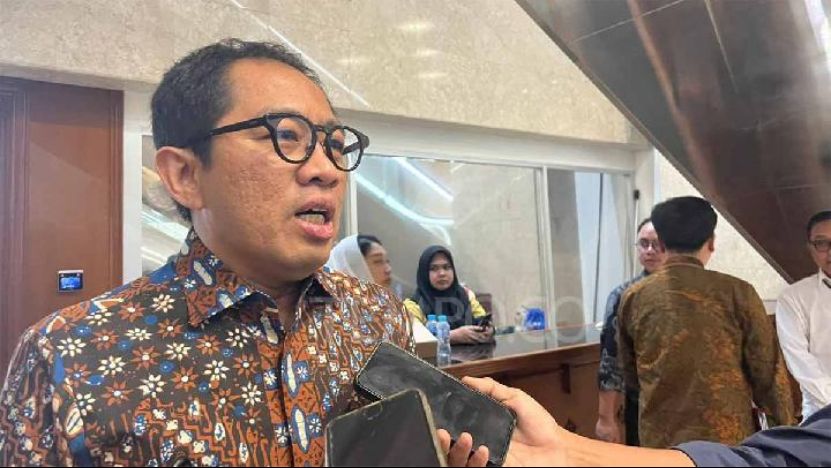
 The Vice Minister of Industry recently stated that the government will implement anti-dumping or safeguard measures at border areas to prevent a massive influx of Chinese imported products. The core goal is to block Chinese products from entering the Indonesian market, avoid disruption to the local market, and protect domestic industries. Due to the China-US trade negotiations in Geneva, Switzerland, the US imposed a 30% tariff on Chinese products, and China imposed a 10% tariff on US products. Chinese products facing barriers to the US market may be diverted to Indonesia. In June 2025, Indonesia's Purchasing Managers' Index fell by 0.5%, with the manufacturing sector still in contraction, mainly due to weak new export orders, global market sentiment and trade policy uncertainties, and political dynamics. From January to April 2025, Indonesia's imports of textiles and textile products increased by 8.84%, and footwear imports rose by 30.89%. Indonesia has a high dependence on Chinese steel and aluminum imports, with steel imports accounting for 51.41% (approximately US$2.17 billion) and aluminum imports accounting for 46.1% (approximately US$1 billion). China may shift steel and aluminum products to Indonesia. The government will use anti-dumping or safeguard mechanism instruments to intensively monitor the dynamics of steel and aluminum products at border areas, in order to quickly respond to abnormal import surges and protect domestic production.
Indonesia to Impose Anti-Dumping Measures on Chinese Imported Goods
www.indoent.com
2025-07-03
The Vice Minister of Industry recently stated that the government will implement anti-dumping or safeguard measures at border areas to prevent a massive influx of Chinese imported products. The core goal is to block Chinese products from entering the Indonesian market, avoid disruption to the local market, and protect domestic industries. Due to the China-US trade negotiations in Geneva, Switzerland, the US imposed a 30% tariff on Chinese products, and China imposed a 10% tariff on US products. Chinese products facing barriers to the US market may be diverted to Indonesia. In June 2025, Indonesia's Purchasing Managers' Index fell by 0.5%, with the manufacturing sector still in contraction, mainly due to weak new export orders, global market sentiment and trade policy uncertainties, and political dynamics. From January to April 2025, Indonesia's imports of textiles and textile products increased by 8.84%, and footwear imports rose by 30.89%. Indonesia has a high dependence on Chinese steel and aluminum imports, with steel imports accounting for 51.41% (approximately US$2.17 billion) and aluminum imports accounting for 46.1% (approximately US$1 billion). China may shift steel and aluminum products to Indonesia. The government will use anti-dumping or safeguard mechanism instruments to intensively monitor the dynamics of steel and aluminum products at border areas, in order to quickly respond to abnormal import surges and protect domestic production.
The Vice Minister of Industry recently stated that the government will implement anti-dumping or safeguard measures at border areas to prevent a massive influx of Chinese imported products. The core goal is to block Chinese products from entering the Indonesian market, avoid disruption to the local market, and protect domestic industries. Due to the China-US trade negotiations in Geneva, Switzerland, the US imposed a 30% tariff on Chinese products, and China imposed a 10% tariff on US products. Chinese products facing barriers to the US market may be diverted to Indonesia. In June 2025, Indonesia's Purchasing Managers' Index fell by 0.5%, with the manufacturing sector still in contraction, mainly due to weak new export orders, global market sentiment and trade policy uncertainties, and political dynamics. From January to April 2025, Indonesia's imports of textiles and textile products increased by 8.84%, and footwear imports rose by 30.89%. Indonesia has a high dependence on Chinese steel and aluminum imports, with steel imports accounting for 51.41% (approximately US$2.17 billion) and aluminum imports accounting for 46.1% (approximately US$1 billion). China may shift steel and aluminum products to Indonesia. The government will use anti-dumping or safeguard mechanism instruments to intensively monitor the dynamics of steel and aluminum products at border areas, in order to quickly respond to abnormal import surges and protect domestic production.
Tags
Policy Information
Share to
Related Reading
 Policy Information
Chinese Mainland and Hong Kong Enterprises Eligible for Relaxed Foreign Exchange Deposit Rules in Indonesia
2026-08-30 Policy Information
China-Indonesia Multi-Sector Strategic Cooperation Upgrade Blueprint
2026-08-23 Policy Information