
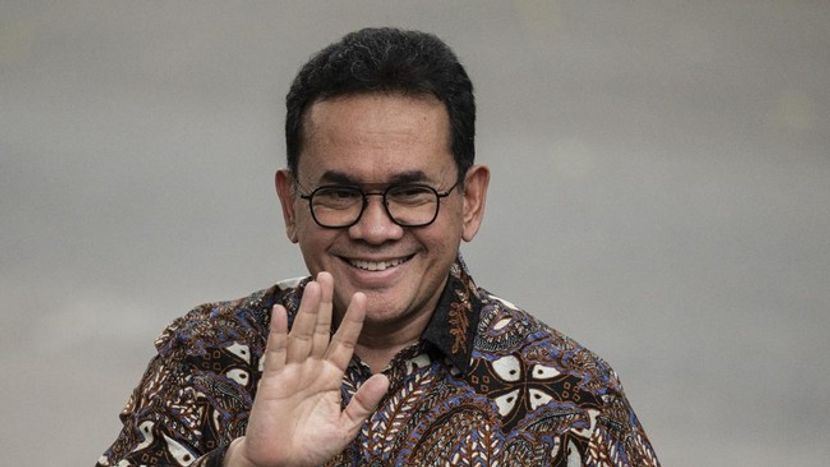
 The US imposes a 19% import tariff on Indonesian products. The Trade Minister believes this could actually enhance the competitiveness of Indonesian products in the US market. He considers the 19% tariff relatively low, as ASEAN members Malaysia, Thailand, and the Philippines also face the same rate, while major competitors like China, Vietnam, and India face tariffs higher than 19%, giving Indonesia a better competitive edge. Indonesia's access to the US market is more open than before, especially after the implementation of reciprocal tariffs, providing a better starting point compared to other countries. It is expected that under the new tariff policy, Indonesian exports to the US will increase, and the government will encourage businesses to fully leverage this opportunity. From January to June 2025, Indonesian exports to the US grew by 7.7%, making the US Indonesia's second-largest export destination after China, with a trade surplus of US$9.9 billion. The new US tariff policy took effect on August 7, 2025, introduced by President Trump through an executive order as part of reciprocal tariff measures. Singapore faces a lower tariff (10%), while Laos, Myanmar, and others face tariffs exceeding 35%. Indonesia has completed tariff negotiations with the US, and the Coordinating Minister for Economic Affairs stated that tariff arrangements for Southeast Asian countries have been largely agreed upon, providing a level playing field for Indonesia's advantageous industries.
US 19% Tariff on Indonesian Goods May Boost Competitiveness
www.indoent.com
2025-08-12
The US imposes a 19% import tariff on Indonesian products. The Trade Minister believes this could actually enhance the competitiveness of Indonesian products in the US market. He considers the 19% tariff relatively low, as ASEAN members Malaysia, Thailand, and the Philippines also face the same rate, while major competitors like China, Vietnam, and India face tariffs higher than 19%, giving Indonesia a better competitive edge. Indonesia's access to the US market is more open than before, especially after the implementation of reciprocal tariffs, providing a better starting point compared to other countries. It is expected that under the new tariff policy, Indonesian exports to the US will increase, and the government will encourage businesses to fully leverage this opportunity. From January to June 2025, Indonesian exports to the US grew by 7.7%, making the US Indonesia's second-largest export destination after China, with a trade surplus of US$9.9 billion. The new US tariff policy took effect on August 7, 2025, introduced by President Trump through an executive order as part of reciprocal tariff measures. Singapore faces a lower tariff (10%), while Laos, Myanmar, and others face tariffs exceeding 35%. Indonesia has completed tariff negotiations with the US, and the Coordinating Minister for Economic Affairs stated that tariff arrangements for Southeast Asian countries have been largely agreed upon, providing a level playing field for Indonesia's advantageous industries.
The US imposes a 19% import tariff on Indonesian products. The Trade Minister believes this could actually enhance the competitiveness of Indonesian products in the US market. He considers the 19% tariff relatively low, as ASEAN members Malaysia, Thailand, and the Philippines also face the same rate, while major competitors like China, Vietnam, and India face tariffs higher than 19%, giving Indonesia a better competitive edge. Indonesia's access to the US market is more open than before, especially after the implementation of reciprocal tariffs, providing a better starting point compared to other countries. It is expected that under the new tariff policy, Indonesian exports to the US will increase, and the government will encourage businesses to fully leverage this opportunity. From January to June 2025, Indonesian exports to the US grew by 7.7%, making the US Indonesia's second-largest export destination after China, with a trade surplus of US$9.9 billion. The new US tariff policy took effect on August 7, 2025, introduced by President Trump through an executive order as part of reciprocal tariff measures. Singapore faces a lower tariff (10%), while Laos, Myanmar, and others face tariffs exceeding 35%. Indonesia has completed tariff negotiations with the US, and the Coordinating Minister for Economic Affairs stated that tariff arrangements for Southeast Asian countries have been largely agreed upon, providing a level playing field for Indonesia's advantageous industries.
Tags
Social Updates
Share to


