
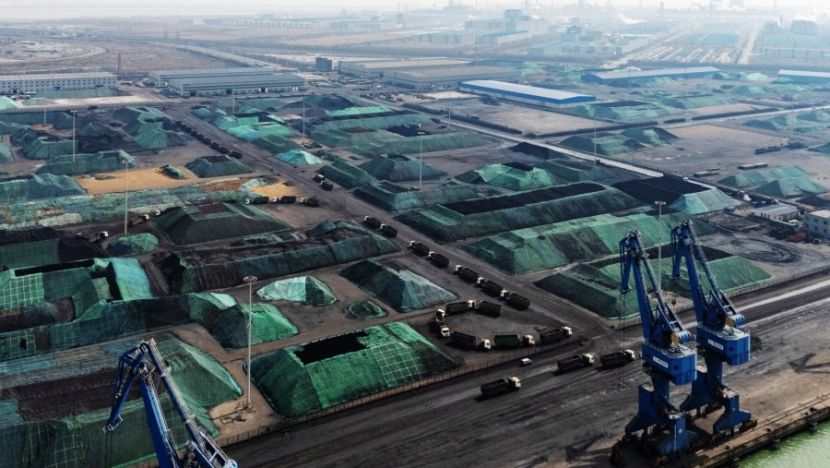
 The International Energy Agency (IEA) expects global coal demand to peak in 2030, with future market dynamics determined by China, India, Indonesia, and several Southeast Asian countries, where about half of coal demand is used for power generation.
The IEA believes that the coal outlook for these countries depends on the power system's ability to absorb natural gas and the capacity of newly added renewable energy (EBT). By 2035, EBT capacity in developing countries will increase by an average of over 600 GW per year, enough to drive a sustained decline in coal demand. However, if the trend of EBT and natural gas absorption stalls, coal demand could rebound.
The IEA also expects oil and gas consumption to remain strong until 2050, driven by U.S. energy policy direction and lower natural gas prices. In the short term, the oil market is well-supplied, thanks to contributions from five American countries, but declining output from existing fields and growing consumption will quickly absorb the surplus. By 2035, approximately 25 million barrels per day of new supply will be needed to balance the market, and oil prices are expected to rise to stimulate upstream investment.
Additionally, despite concerns about the ability to absorb new liquefied natural gas (LNG) supply, the IEA expects natural gas demand to continue rising. Energy security has become a key focus for many governments, and policymakers must seek synergies and trade-offs among energy objectives.
The International Energy Agency (IEA) expects global coal demand to peak in 2030, with future market dynamics determined by China, India, Indonesia, and several Southeast Asian countries, where about half of coal demand is used for power generation.
The IEA believes that the coal outlook for these countries depends on the power system's ability to absorb natural gas and the capacity of newly added renewable energy (EBT). By 2035, EBT capacity in developing countries will increase by an average of over 600 GW per year, enough to drive a sustained decline in coal demand. However, if the trend of EBT and natural gas absorption stalls, coal demand could rebound.
The IEA also expects oil and gas consumption to remain strong until 2050, driven by U.S. energy policy direction and lower natural gas prices. In the short term, the oil market is well-supplied, thanks to contributions from five American countries, but declining output from existing fields and growing consumption will quickly absorb the surplus. By 2035, approximately 25 million barrels per day of new supply will be needed to balance the market, and oil prices are expected to rise to stimulate upstream investment.
Additionally, despite concerns about the ability to absorb new liquefied natural gas (LNG) supply, the IEA expects natural gas demand to continue rising. Energy security has become a key focus for many governments, and policymakers must seek synergies and trade-offs among energy objectives.
IEA Expects Coal Demand to Peak in 2030
www.indoent.com
2025-11-14
The International Energy Agency (IEA) expects global coal demand to peak in 2030, with future market dynamics determined by China, India, Indonesia, and several Southeast Asian countries, where about half of coal demand is used for power generation. The IEA believes that the coal outlook for these countries depends on the power system's ability to absorb natural gas and the capacity of newly added renewable energy (EBT). By 2035, EBT capacity in developing countries will increase by an average of over 600 GW per year, enough to drive a sustained decline in coal demand. However, if the trend of EBT and natural gas absorption stalls, coal demand could rebound.
The International Energy Agency (IEA) expects global coal demand to peak in 2030, with future market dynamics determined by China, India, Indonesia, and several Southeast Asian countries, where about half of coal demand is used for power generation.
The IEA believes that the coal outlook for these countries depends on the power system's ability to absorb natural gas and the capacity of newly added renewable energy (EBT). By 2035, EBT capacity in developing countries will increase by an average of over 600 GW per year, enough to drive a sustained decline in coal demand. However, if the trend of EBT and natural gas absorption stalls, coal demand could rebound.
The IEA also expects oil and gas consumption to remain strong until 2050, driven by U.S. energy policy direction and lower natural gas prices. In the short term, the oil market is well-supplied, thanks to contributions from five American countries, but declining output from existing fields and growing consumption will quickly absorb the surplus. By 2035, approximately 25 million barrels per day of new supply will be needed to balance the market, and oil prices are expected to rise to stimulate upstream investment.
Additionally, despite concerns about the ability to absorb new liquefied natural gas (LNG) supply, the IEA expects natural gas demand to continue rising. Energy security has become a key focus for many governments, and policymakers must seek synergies and trade-offs among energy objectives.
Tags
Industry Express
Share to
Related Reading
 Industry Flash
Cheap Chinese Plastics Impact Indonesia's Petrochemical Industry, Association Calls for Protection
2026-09-03 Industry News
Investment Heat in Two Key Industrial Parks in Central Java Continues to Rise
2026-08-31 Industry News