
 The Ministry of Trade recently issued a document announcing that starting January 1, 2026, a comprehensive ban on the import of 12 categories of goods will come into effect. These goods can be grouped into five major categories: certain finished household appliances, used clothing, certain grains and food raw materials, certain pharmaceutical raw materials, and polluting and high-risk products. This ban is not a simple blockade but provides Chinese companies with opportunities to reorganize and upgrade their businesses.
First, the import ban on finished household appliances mainly targets old models using restricted refrigerants and low-end tools. This actually offers businesses a transformation opportunity, encouraging a shift from pure product sales to parts supply and technical services. Through local assembly and technology transfer, Chinese companies can achieve deeper industrial integration in the Indonesian market.
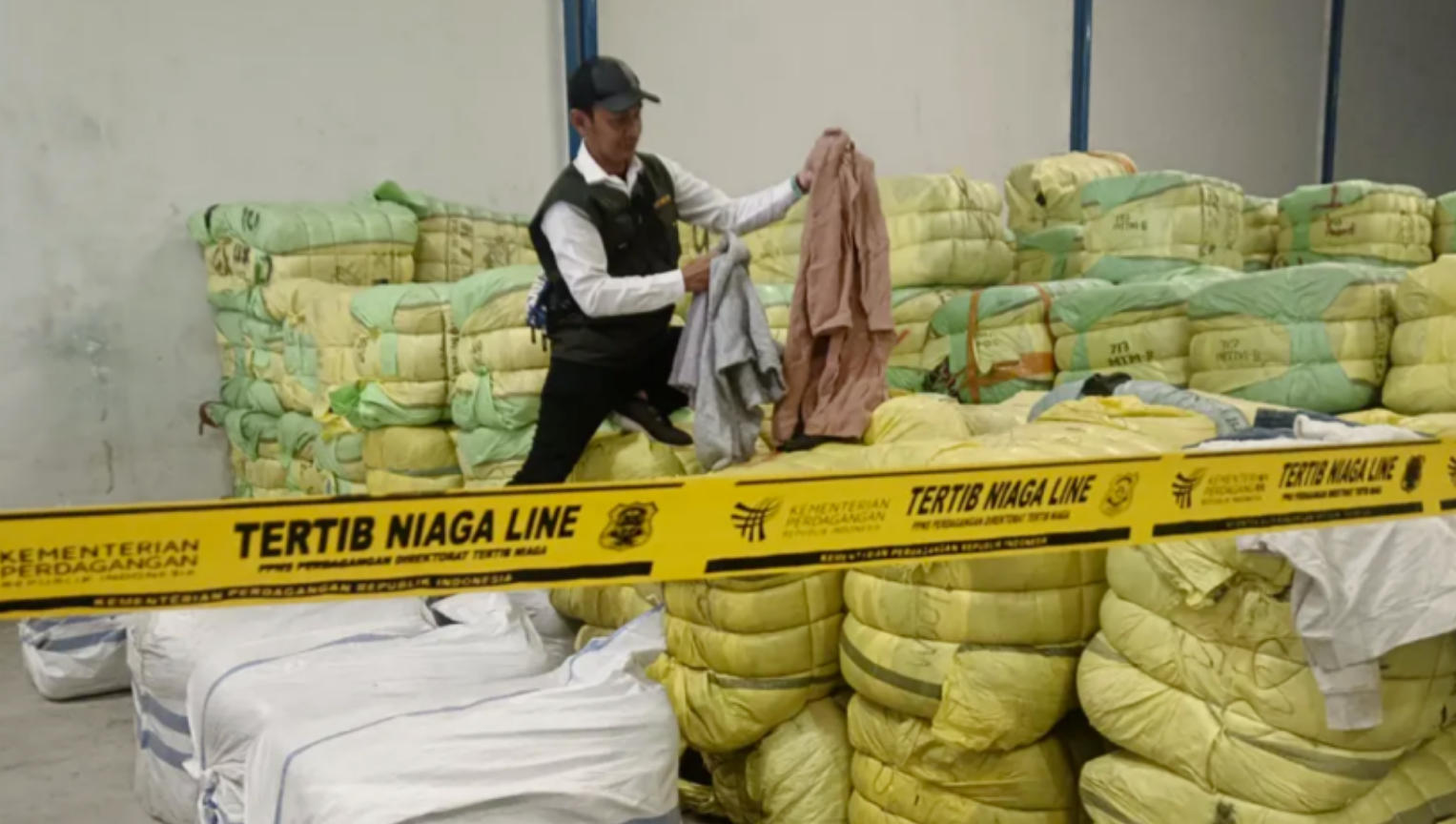
Second, the comprehensive ban on used goods imports brings new vitality to the textile and garment manufacturing industry. Indonesia's large young population base ensures sustained demand for the apparel market. The implementation of the ban means that the market gap will be filled by local manufacturing, providing Chinese textile and garment companies with an excellent opportunity to expand market share.
The restrictions on grain and food raw material imports will promote the development of the agricultural industry chain. Indonesia aims to address food issues by improving agricultural production efficiency and processing capacity. Chinese companies can participate in this growth sector by investing in high-tech agricultural solutions such as agricultural drones, smart planting systems, as well as downstream industries like sugar mill equipment and feed processing.
The ban on pharmaceutical raw materials mainly targets problematic ingredients, providing legitimate pharmaceutical companies with an opportunity for market purification. Chinese companies can expand their share in Indonesia's health consumer market by strengthening compliance management and local certification.
The ban on high-risk polluting products involves environmental protection and public safety, and imports of such products are completely prohibited. Chinese companies should avoid these areas and focus on other more promising sectors.
In summary, Indonesia's import ban actually provides Chinese companies with an opportunity to re-examine and adjust their strategies in the Indonesian market. By shifting from "selling finished products" to "building industries" and from "pure imports" to "localization," Chinese companies can find new growth points in the Indonesian market.
The Ministry of Trade recently issued a document announcing that starting January 1, 2026, a comprehensive ban on the import of 12 categories of goods will come into effect. These goods can be grouped into five major categories: certain finished household appliances, used clothing, certain grains and food raw materials, certain pharmaceutical raw materials, and polluting and high-risk products. This ban is not a simple blockade but provides Chinese companies with opportunities to reorganize and upgrade their businesses.
First, the import ban on finished household appliances mainly targets old models using restricted refrigerants and low-end tools. This actually offers businesses a transformation opportunity, encouraging a shift from pure product sales to parts supply and technical services. Through local assembly and technology transfer, Chinese companies can achieve deeper industrial integration in the Indonesian market.
Second, the comprehensive ban on used goods imports brings new vitality to the textile and garment manufacturing industry. Indonesia's large young population base ensures sustained demand for the apparel market. The implementation of the ban means that the market gap will be filled by local manufacturing, providing Chinese textile and garment companies with an excellent opportunity to expand market share.
The restrictions on grain and food raw material imports will promote the development of the agricultural industry chain. Indonesia aims to address food issues by improving agricultural production efficiency and processing capacity. Chinese companies can participate in this growth sector by investing in high-tech agricultural solutions such as agricultural drones, smart planting systems, as well as downstream industries like sugar mill equipment and feed processing.
The ban on pharmaceutical raw materials mainly targets problematic ingredients, providing legitimate pharmaceutical companies with an opportunity for market purification. Chinese companies can expand their share in Indonesia's health consumer market by strengthening compliance management and local certification.
The ban on high-risk polluting products involves environmental protection and public safety, and imports of such products are completely prohibited. Chinese companies should avoid these areas and focus on other more promising sectors.
In summary, Indonesia's import ban actually provides Chinese companies with an opportunity to re-examine and adjust their strategies in the Indonesian market. By shifting from "selling finished products" to "building industries" and from "pure imports" to "localization," Chinese companies can find new growth points in the Indonesian market.
Indonesia Bans Imports of 12 Categories of Goods Starting This Year
www.indoent.com
2026-01-10
The Ministry of Trade recently issued a document announcing that starting January 1, 2026, a comprehensive ban on the import of 12 categories of goods will come into effect. These goods can be grouped into five major categories: certain finished household appliances, used clothing, certain grains and food raw materials, certain pharmaceutical raw materials, and polluting and high-risk products. This ban is not a simple blockade but provides Chinese companies with opportunities to reorganize and upgrade their businesses. First, the import ban on finished household appliances mainly targets old models using restricted refrigerants and low-end tools. This actually offers businesses a transformation opportunity, encouraging a shift from pure product sales to zero
The Ministry of Trade recently issued a document announcing that starting January 1, 2026, a comprehensive ban on the import of 12 categories of goods will come into effect. These goods can be grouped into five major categories: certain finished household appliances, used clothing, certain grains and food raw materials, certain pharmaceutical raw materials, and polluting and high-risk products. This ban is not a simple blockade but provides Chinese companies with opportunities to reorganize and upgrade their businesses.
First, the import ban on finished household appliances mainly targets old models using restricted refrigerants and low-end tools. This actually offers businesses a transformation opportunity, encouraging a shift from pure product sales to parts supply and technical services. Through local assembly and technology transfer, Chinese companies can achieve deeper industrial integration in the Indonesian market.
Second, the comprehensive ban on used goods imports brings new vitality to the textile and garment manufacturing industry. Indonesia's large young population base ensures sustained demand for the apparel market. The implementation of the ban means that the market gap will be filled by local manufacturing, providing Chinese textile and garment companies with an excellent opportunity to expand market share.
The restrictions on grain and food raw material imports will promote the development of the agricultural industry chain. Indonesia aims to address food issues by improving agricultural production efficiency and processing capacity. Chinese companies can participate in this growth sector by investing in high-tech agricultural solutions such as agricultural drones, smart planting systems, as well as downstream industries like sugar mill equipment and feed processing.
The ban on pharmaceutical raw materials mainly targets problematic ingredients, providing legitimate pharmaceutical companies with an opportunity for market purification. Chinese companies can expand their share in Indonesia's health consumer market by strengthening compliance management and local certification.
The ban on high-risk polluting products involves environmental protection and public safety, and imports of such products are completely prohibited. Chinese companies should avoid these areas and focus on other more promising sectors.
In summary, Indonesia's import ban actually provides Chinese companies with an opportunity to re-examine and adjust their strategies in the Indonesian market. By shifting from "selling finished products" to "building industries" and from "pure imports" to "localization," Chinese companies can find new growth points in the Indonesian market.
Tags
Policy Information
Share to
Related Reading
 Policy Information
Chinese Mainland and Hong Kong Enterprises Eligible for Relaxed Foreign Exchange Deposit Rules in Indonesia
2026-08-30 Policy Information
China-Indonesia Multi-Sector Strategic Cooperation Upgrade Blueprint
2026-08-23 Policy Information