
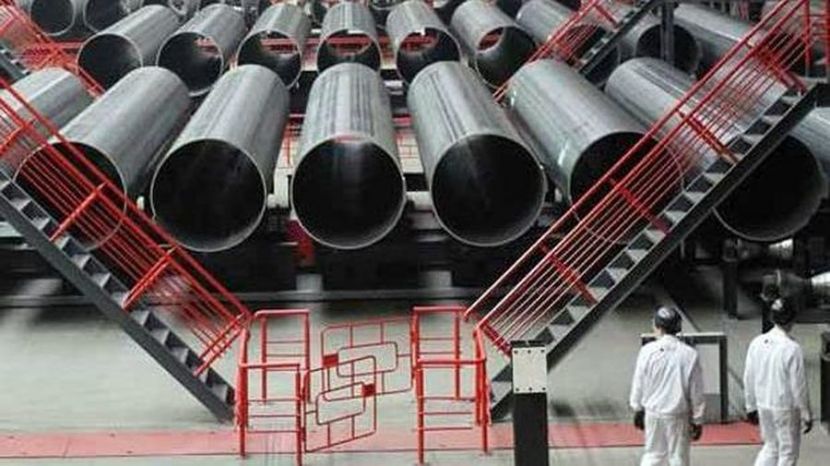
 Indonesia's domestic steel industry is facing severe pressure from imported products and price competition, with factory capacity utilization at only about 52%, far below the optimal level, reflecting insufficient domestic market absorption of local products. However, Indonesia actually has sufficient steel capacity to meet the needs of all domestic construction sectors.
The Executive Director of the Indonesian Iron and Steel Industry Association stated that eight steel companies have ceased operations between 2024 and 2026, with the core reasons being sustained pressure on corporate profits and low-priced imported products monopolizing the domestic market. This impact has also spread to downstream industries, employment, and the raw material supply chain. If it continues, it could lead to the loss of a strategic industrial foundation.
The industry calls for the introduction of import control policies tailored to domestic capacity, allowing imports only for steel categories that cannot yet be produced locally. At the same time, strengthening trade remedy policies to curb unfair trade practices and create a level playing field. Additionally, stabilizing energy policies and setting industrial-specific natural gas prices are needed to reduce production costs, improve profits, and enhance competitiveness. These policies aim to ensure fair and sustainable competition and support the development of the domestic steel industry.
The Deputy Minister of Industry added that the average capacity utilization rate of the domestic steel industry is 52.7%, still with potential to increase production to meet domestic demand, but imported products hinder the absorption of local steel in the market. There is a significant gap between domestic steel consumption and local production, with about 55% of the gap filled by steel imports from China.
Indonesia's domestic steel industry is facing severe pressure from imported products and price competition, with factory capacity utilization at only about 52%, far below the optimal level, reflecting insufficient domestic market absorption of local products. However, Indonesia actually has sufficient steel capacity to meet the needs of all domestic construction sectors.
The Executive Director of the Indonesian Iron and Steel Industry Association stated that eight steel companies have ceased operations between 2024 and 2026, with the core reasons being sustained pressure on corporate profits and low-priced imported products monopolizing the domestic market. This impact has also spread to downstream industries, employment, and the raw material supply chain. If it continues, it could lead to the loss of a strategic industrial foundation.
The industry calls for the introduction of import control policies tailored to domestic capacity, allowing imports only for steel categories that cannot yet be produced locally. At the same time, strengthening trade remedy policies to curb unfair trade practices and create a level playing field. Additionally, stabilizing energy policies and setting industrial-specific natural gas prices are needed to reduce production costs, improve profits, and enhance competitiveness. These policies aim to ensure fair and sustainable competition and support the development of the domestic steel industry.
The Deputy Minister of Industry added that the average capacity utilization rate of the domestic steel industry is 52.7%, still with potential to increase production to meet domestic demand, but imported products hinder the absorption of local steel in the market. There is a significant gap between domestic steel consumption and local production, with about 55% of the gap filled by steel imports from China.
Indonesia's Steel Industry Severely Impacted by Imports
www.indoent.com
2026-02-09
Indonesia's domestic steel industry is facing severe pressure from imported products and price competition, with factory capacity utilization at only about 52%, far below the optimal level, reflecting insufficient domestic market absorption of local products. However, Indonesia actually has sufficient steel capacity to meet the needs of all domestic construction sectors. The Executive Director of the Indonesian Iron and Steel Industry Association stated that eight steel companies have ceased operations between 2024 and 2026, with the core reasons being sustained pressure on corporate profits and low-priced imported products monopolizing the domestic market. This impact has also spread to downstream industries, employment, and the raw material supply chain. If it continues,
Indonesia's domestic steel industry is facing severe pressure from imported products and price competition, with factory capacity utilization at only about 52%, far below the optimal level, reflecting insufficient domestic market absorption of local products. However, Indonesia actually has sufficient steel capacity to meet the needs of all domestic construction sectors.
The Executive Director of the Indonesian Iron and Steel Industry Association stated that eight steel companies have ceased operations between 2024 and 2026, with the core reasons being sustained pressure on corporate profits and low-priced imported products monopolizing the domestic market. This impact has also spread to downstream industries, employment, and the raw material supply chain. If it continues, it could lead to the loss of a strategic industrial foundation.
The industry calls for the introduction of import control policies tailored to domestic capacity, allowing imports only for steel categories that cannot yet be produced locally. At the same time, strengthening trade remedy policies to curb unfair trade practices and create a level playing field. Additionally, stabilizing energy policies and setting industrial-specific natural gas prices are needed to reduce production costs, improve profits, and enhance competitiveness. These policies aim to ensure fair and sustainable competition and support the development of the domestic steel industry.
The Deputy Minister of Industry added that the average capacity utilization rate of the domestic steel industry is 52.7%, still with potential to increase production to meet domestic demand, but imported products hinder the absorption of local steel in the market. There is a significant gap between domestic steel consumption and local production, with about 55% of the gap filled by steel imports from China.
Tags
Industry News
Share to
Related Reading
 Industry Flash
Cheap Chinese Plastics Impact Indonesia's Petrochemical Industry, Association Calls for Protection
2026-09-03 Industry News
Investment Heat in Two Key Industrial Parks in Central Java Continues to Rise
2026-08-31 Industry News