
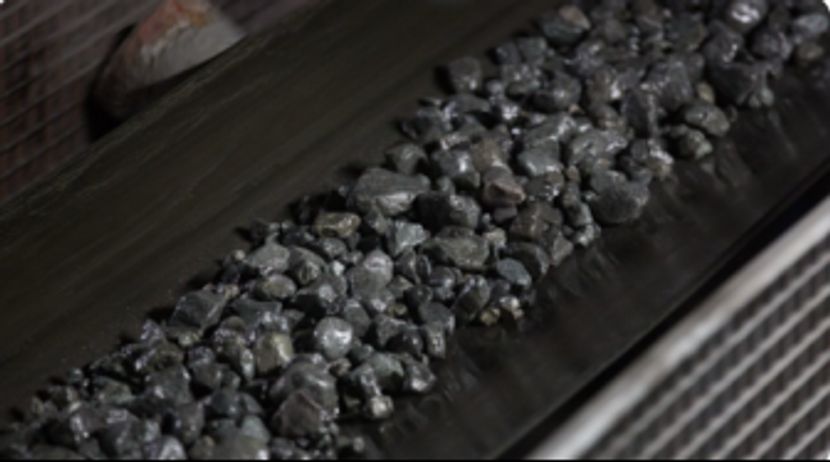
 The reduction in the 2026 nickel mine production plan (RKAB) has pushed nickel prices back to US$17,000-18,000 per ton, compared to US$14,000-15,000 last year. A commodity analyst and founder of Traderindo pointed out that cutting the 2026 nickel production quota from 379 million tons in 2025 to 260-270 million tons could lead to raw material shortages for domestic smelters, forcing them to increase imports. He believes the government's move is to end the "era of cheap nickel" and transform Indonesia from a "production powerhouse" to a "price regulator," but the key challenge is to avoid domestic smelters shutting down due to ore shortages.
When Indonesia announced the 270 million ton production quota, London Metal Exchange (LME) nickel prices immediately rose to US$17,000-18,000/ton. He predicted that if global nickel shortages persist, prices could climb further. According to his estimates, domestic nickel demand in 2026 is about 330-350 million tons, but after the RKAB cut, only 260-270 million tons, a shortfall of 60-80 million tons. This not only supports global nickel prices that had fallen due to oversupply but also highlights Indonesia's control over supply as the largest nickel producer. However, the ore shortage may force smelters to import nickel ore from countries like the Philippines to maintain production.
In response, the Indonesian Nickel Forum (FINI) expressed deep concern. The chairman stated that all domestic smelters (including Rotary Kiln Electric Furnace RKEF and High Pressure Acid Leach HPAL processes) require 350-360 million tons of nickel ore, and after the RKAB cut, the shortfall is at least 90-100 million tons, severely impacting operations. The Directorate General of Minerals and Coal (Dirjen Minerba) of the Ministry of Energy and Mineral Resources announced the 2026 nickel RKAB on February 10, approving a production range of 260-270 million tons, significantly lower than the 379 million tons in 2025.
As of February 18, the LME nickel price was US$16,861/ton, down 1.48% from the previous day. Historical data shows that nickel prices surged to over US$100,000/ton in March 2022 due to a market squeeze, then continued to decline; in 2024, they hit a four-year low. BMI, under Fitch Solutions, had lowered its forecast from US$20,000/ton to US$18,000/ton. Nickel prices showed weakness in 2023, with an average annual price of US$21,688/ton, a sharp drop of 15.3% year-on-year (2022: US$25,618/ton), mainly due to market oversupply and weak demand.
The reduction in the 2026 nickel mine production plan (RKAB) has pushed nickel prices back to US$17,000-18,000 per ton, compared to US$14,000-15,000 last year. A commodity analyst and founder of Traderindo pointed out that cutting the 2026 nickel production quota from 379 million tons in 2025 to 260-270 million tons could lead to raw material shortages for domestic smelters, forcing them to increase imports. He believes the government's move is to end the "era of cheap nickel" and transform Indonesia from a "production powerhouse" to a "price regulator," but the key challenge is to avoid domestic smelters shutting down due to ore shortages.
When Indonesia announced the 270 million ton production quota, London Metal Exchange (LME) nickel prices immediately rose to US$17,000-18,000/ton. He predicted that if global nickel shortages persist, prices could climb further. According to his estimates, domestic nickel demand in 2026 is about 330-350 million tons, but after the RKAB cut, only 260-270 million tons, a shortfall of 60-80 million tons. This not only supports global nickel prices that had fallen due to oversupply but also highlights Indonesia's control over supply as the largest nickel producer. However, the ore shortage may force smelters to import nickel ore from countries like the Philippines to maintain production.
In response, the Indonesian Nickel Forum (FINI) expressed deep concern. The chairman stated that all domestic smelters (including Rotary Kiln Electric Furnace RKEF and High Pressure Acid Leach HPAL processes) require 350-360 million tons of nickel ore, and after the RKAB cut, the shortfall is at least 90-100 million tons, severely impacting operations. The Directorate General of Minerals and Coal (Dirjen Minerba) of the Ministry of Energy and Mineral Resources announced the 2026 nickel RKAB on February 10, approving a production range of 260-270 million tons, significantly lower than the 379 million tons in 2025.
As of February 18, the LME nickel price was US$16,861/ton, down 1.48% from the previous day. Historical data shows that nickel prices surged to over US$100,000/ton in March 2022 due to a market squeeze, then continued to decline; in 2024, they hit a four-year low. BMI, under Fitch Solutions, had lowered its forecast from US$20,000/ton to US$18,000/ton. Nickel prices showed weakness in 2023, with an average annual price of US$21,688/ton, a sharp drop of 15.3% year-on-year (2022: US$25,618/ton), mainly due to market oversupply and weak demand.
Indonesia's Nickel Production Cut May Lead to Smelter Shutdowns, Changing Global Supply Landscape
www.indoent.com
2026-02-20
The reduction in the 2026 nickel mine production plan (RKAB) has pushed nickel prices back to US$17,000-18,000 per ton, compared to US$14,000-15,000 last year. A commodity analyst and founder of Traderindo pointed out that cutting the 2026 nickel production quota from 379 million tons in 2025 to 260-270 million tons could lead to raw material shortages for domestic smelters, forcing them to increase imports. He believes the government's move is to end the "era of cheap nickel" and transform Indonesia from a "production powerhouse" to a "price regulator."
The reduction in the 2026 nickel mine production plan (RKAB) has pushed nickel prices back to US$17,000-18,000 per ton, compared to US$14,000-15,000 last year. A commodity analyst and founder of Traderindo pointed out that cutting the 2026 nickel production quota from 379 million tons in 2025 to 260-270 million tons could lead to raw material shortages for domestic smelters, forcing them to increase imports. He believes the government's move is to end the "era of cheap nickel" and transform Indonesia from a "production powerhouse" to a "price regulator," but the key challenge is to avoid domestic smelters shutting down due to ore shortages.
When Indonesia announced the 270 million ton production quota, London Metal Exchange (LME) nickel prices immediately rose to US$17,000-18,000/ton. He predicted that if global nickel shortages persist, prices could climb further. According to his estimates, domestic nickel demand in 2026 is about 330-350 million tons, but after the RKAB cut, only 260-270 million tons, a shortfall of 60-80 million tons. This not only supports global nickel prices that had fallen due to oversupply but also highlights Indonesia's control over supply as the largest nickel producer. However, the ore shortage may force smelters to import nickel ore from countries like the Philippines to maintain production.
In response, the Indonesian Nickel Forum (FINI) expressed deep concern. The chairman stated that all domestic smelters (including Rotary Kiln Electric Furnace RKEF and High Pressure Acid Leach HPAL processes) require 350-360 million tons of nickel ore, and after the RKAB cut, the shortfall is at least 90-100 million tons, severely impacting operations. The Directorate General of Minerals and Coal (Dirjen Minerba) of the Ministry of Energy and Mineral Resources announced the 2026 nickel RKAB on February 10, approving a production range of 260-270 million tons, significantly lower than the 379 million tons in 2025.
As of February 18, the LME nickel price was US$16,861/ton, down 1.48% from the previous day. Historical data shows that nickel prices surged to over US$100,000/ton in March 2022 due to a market squeeze, then continued to decline; in 2024, they hit a four-year low. BMI, under Fitch Solutions, had lowered its forecast from US$20,000/ton to US$18,000/ton. Nickel prices showed weakness in 2023, with an average annual price of US$21,688/ton, a sharp drop of 15.3% year-on-year (2022: US$25,618/ton), mainly due to market oversupply and weak demand.
Tags
Industry News
Share to
Related Reading
 Industry Flash
Cheap Chinese Plastics Impact Indonesia's Petrochemical Industry, Association Calls for Protection
2026-09-03 Industry News
Investment Heat in Two Key Industrial Parks in Central Java Continues to Rise
2026-08-31 Industry News