

Top Product Categories Favored by Indonesian Consumers During Ramadan 2026
During the 2026 Ramadan, household consumption in Indonesia is expected to grow, but the growth is more rational and selective. Beauty, Fast-Moving Consumer Goods (FMCG), and fashion have become the three most popular categories. InMobi research shows that 74% of consumers have increased their Ramadan spending budget compared to last year. Although purchasing power has not fully recovered, Ramadan remains a major consumption period for fulfilling functional needs. SIRCLO internal data indicates that online consumption activities peak in the two weeks before Ramadan, with the most searched categories being beauty & personal care, health care, and fashion.

Indonesia Plans to Reduce Management Fees for E-commerce SMEs
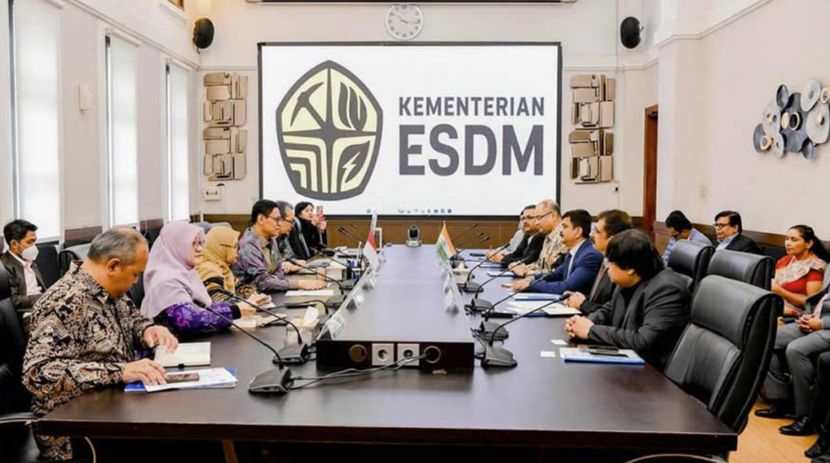
Indonesia and India Strengthen Cooperation in Mining and Steel Sectors
Chinese-funded Medical AI Company Makes First Landing in Indonesia's Healthcare Industry

Electric Vehicle Subsidies 'Weaned Off': Southeast Asia's Largest Auto Market Re-Enters Sino-Japanese Automaker Battle
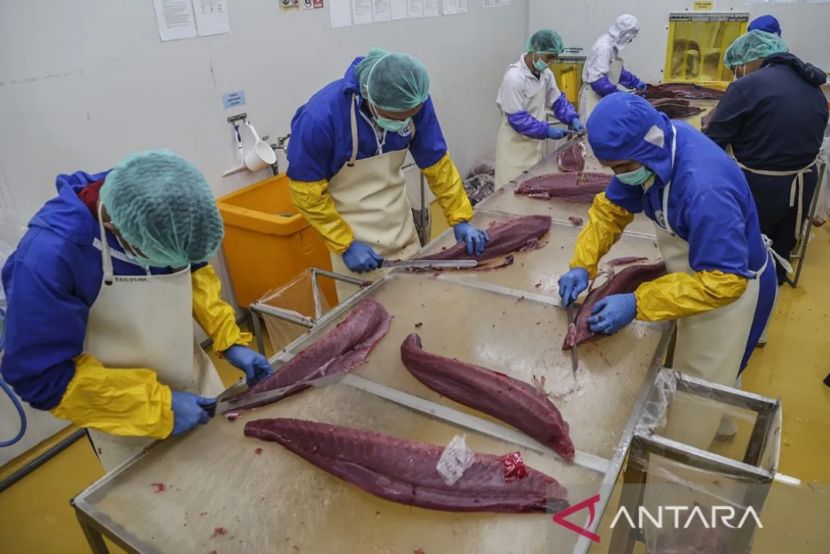
57 Indonesian Fish Processing Companies Obtain China Customs Approval for Fishery Exports
Indonesia's Ministry of Marine Affairs and Fisheries has expanded fishery export access through cooperation with relevant authorities in Turkey and China, securing export approval numbers for 57 fish processing companies. The head of Indonesia's Aquatic Quality Control and Supervision Agency officially announced in Jakarta that with these numbers, the 57 companies can legally export fish and processed aquatic products to Turkey and China. This approval was not merely a submission of a list but involved strict technical audits and questionnaire verifications to meet the specific official requirements of both Turkey and China. All companies hold HACCP (Hazard Analysis and Critical Control Points) certification and strictly implement hygiene and food safety standards.
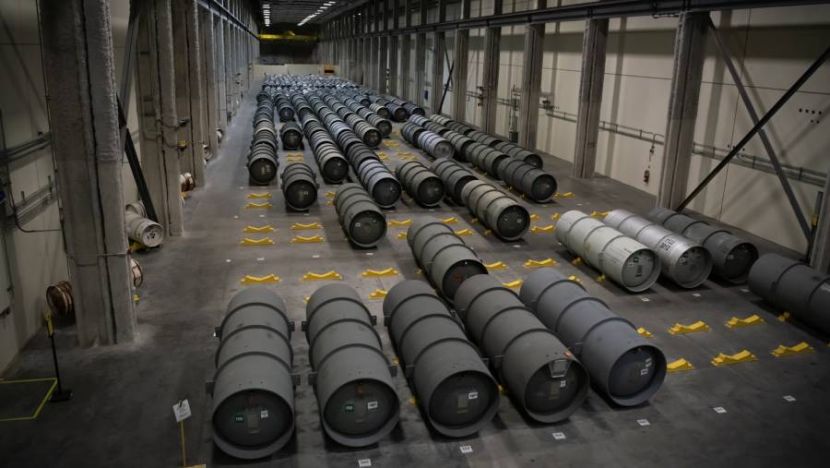
Indonesia Collaborates with US and Japan to Develop Modular Nuclear Power Plant
Indonesia has committed to cooperating with the United States and Japan to develop a Small Modular Reactor (SMR) nuclear power plant in West Kalimantan. This commitment has been included in the Indonesia-US Reciprocal Trade Agreement (ART) signed on February 19, 2026. Currently, Indonesia's state electricity company PLN has signed a Memorandum of Understanding with US-based NuScale Power for the West Kalimantan nuclear project and is conducting a feasibility study. The project will adopt a public-private partnership model, starting with engineering and design work, planning to build 2×75 MW small modular reactors, with flexible module capacities of 25, 50, 75, or 100 MW, ensuring easier safety assurance.

Indonesian Agarwood Priced Higher Than Gold, Widely Welcomed Overseas
The rainforests of Sumatra and Kalimantan in Indonesia harbor a precious wood that can be more valuable than gold—agarwood (also known as "gaharu" or "agarwood"), derived from the agarwood tree (especially Aquilaria malaccensis). This tree only produces resin as a self-protection mechanism when injured or infected by fungi, thereby forming fragrant agarwood. Top-grade agarwood commands extremely high prices on the international market, reaching USD 20,000 to 100,000 per kilogram (equivalent to millions to billions of rupiah).
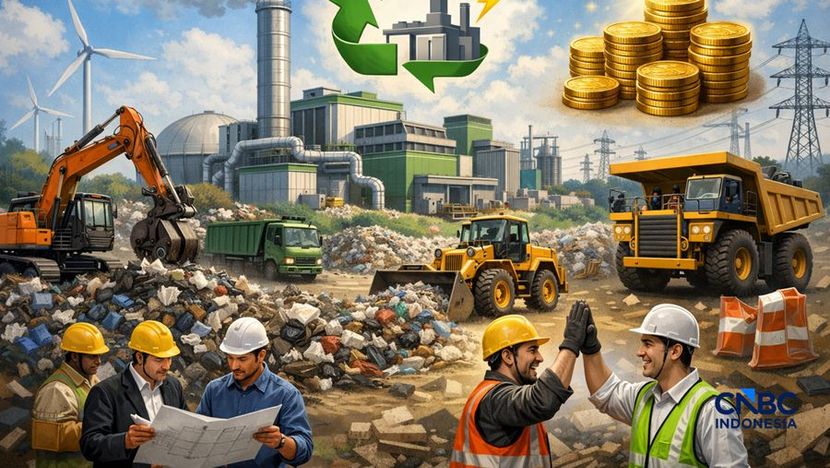
Five Indonesian Listed Companies to Partner in Waste-to-Energy Development
At the end of February 2026, Indonesia's sovereign investment fund Danantara will announce the results of the first batch of "Waste to Energy" (WTE) projects. The total investment for the project is about IDR 110 trillion, with the first batch focusing on four cities: Bali, Bogor, Bekasi, and Yogyakarta. Currently, 24 companies that passed the initial selection are mostly foreign companies with advanced technology, which are required to cooperate with local Indonesian enterprises. This presents significant opportunities for Indonesian listed companies (emiten BEI) that have already positioned themselves in the WTE industry chain.
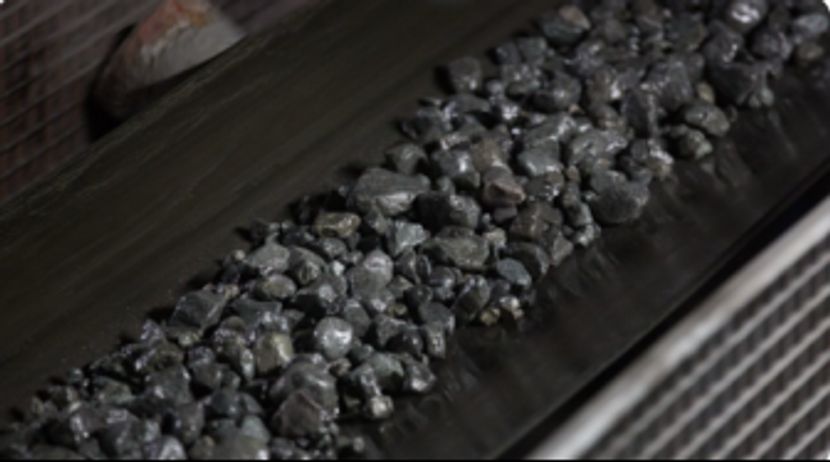
Indonesia's Nickel Production Cut May Lead to Smelter Shutdowns, Changing Global Supply Landscape
The reduction in the 2026 nickel mine production plan (RKAB) has pushed nickel prices back to US$17,000-18,000 per ton, compared to US$14,000-15,000 last year. A commodity analyst and founder of Traderindo pointed out that cutting the 2026 nickel production quota from 379 million tons in 2025 to 260-270 million tons could lead to raw material shortages for domestic smelters, forcing them to increase imports. He believes the government's move is to end the "era of cheap nickel" and transform Indonesia from a "production powerhouse" to a "price regulator."
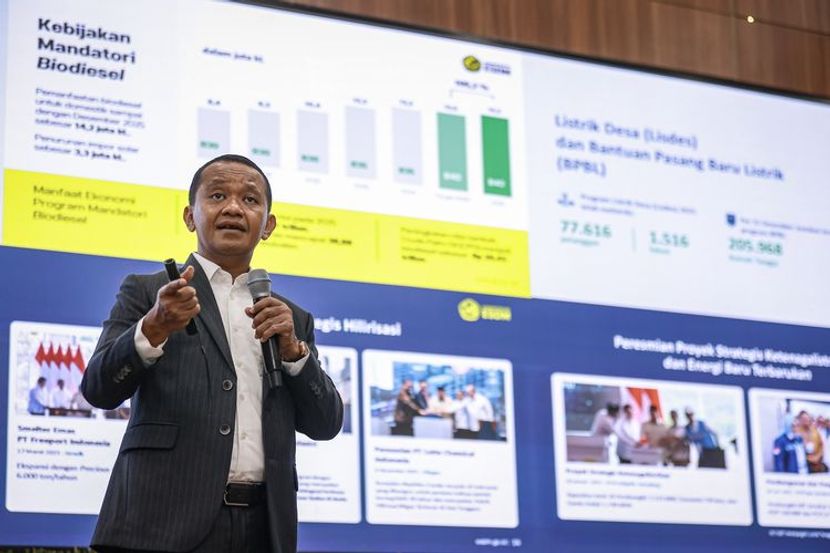
Indonesia Pushes Domestic Tin Smelting and Processing
The Indonesian government is planning to stop tin exports to promote the development of the domestic mineral downstream processing industry. This is another important step in the "downstreaming" policy following the ban on bauxite exports. At the "Indonesia Economic Outlook" event on February 13, 2026, the Minister of Energy and Mineral Resources stated that after banning bauxite exports in 2025, the government will study stopping exports of various commodities including tin in 2026. The minister emphasized that exporting raw materials is no longer an option, and the focus must shift to building smelting and processing industries domestically to develop high value-added products.
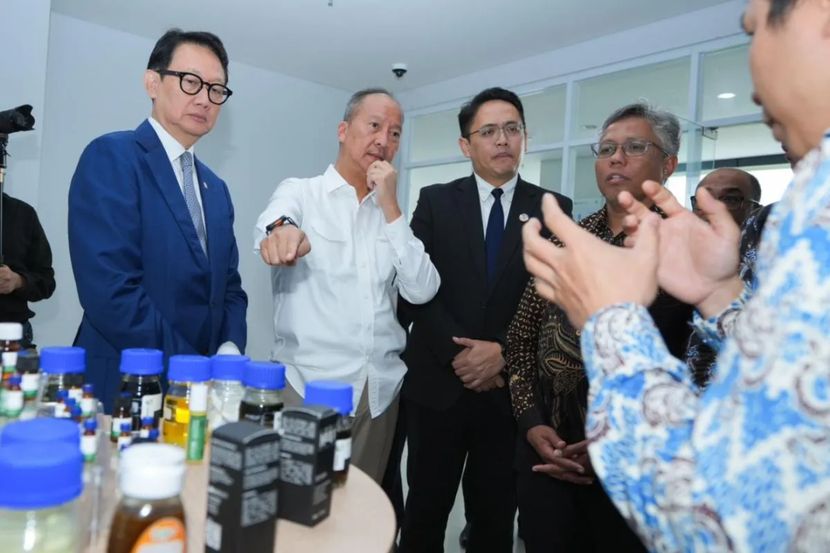
Indonesia Vigorously Develops Semiconductor Chip Industry
Indonesia is making every effort to seize the development opportunity of the semiconductor industry, positioning it as a high-value strategic industry to support economic growth. Facing rapid global technological development and surging demand for chips across various industries, the Indonesian government is not content with merely being a consumer market for electronic products. Instead, it is committed to upgrading its domestic industrial level and participating in the division of labor in the global semiconductor value chain. The Ministry of Industry has clearly stated that it will strengthen high-tech industries, including semiconductors, as an important foundation for industrial transformation and national technological independence. Semiconductors are regarded as the core support for key areas such as electronics, automotive, telecommunications, energy, and digital transformation. Without