

Indonesia Builds Refinery Wastewater-to-Industrial Salt Project
PT Garam, a subsidiary of ID Food, plans to build a wastewater treatment plant in Balikpapan to process wastewater from the National Oil Company Refinery Development Master Plan (RDMP) into industrial salt. The project investment is 7 trillion rupiah, and construction is expected to start in April 2026. The company secretary of PT Garam stated that the brine from the boiler process at Pertamina's Balikpapan refinery was previously neutralized and discharged directly into the sea, while the plant uses seawater to meet boiler needs. This resource characteristic gives the wastewater-to-salt project huge development potential.
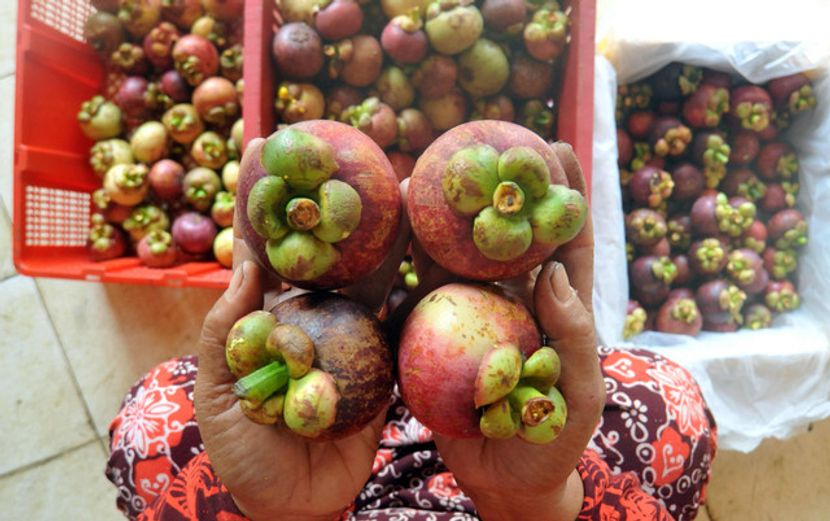
Bali Mangosteen Exports to China Surge Due to Chinese New Year

Two Chinese Companies Interested in Developing Indonesia's Rare Earth Industry
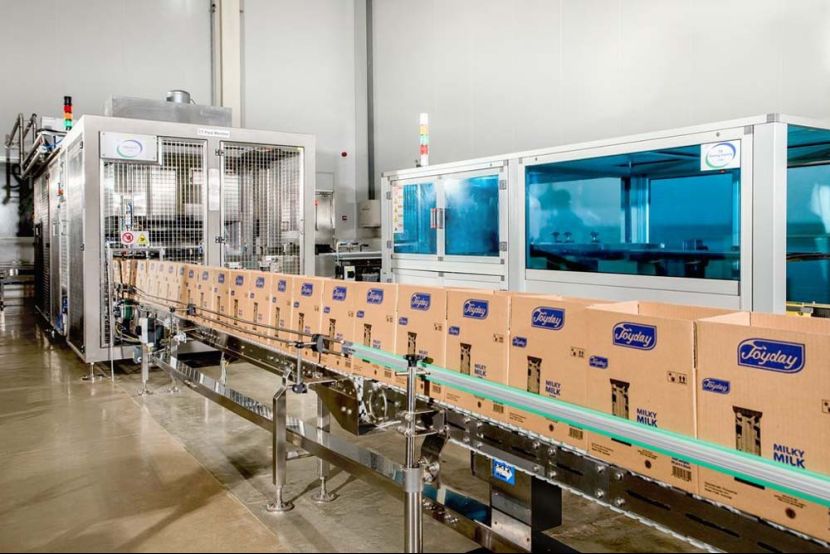
Indonesia's Manufacturing Sector Achieved 5.15% Growth Last Year

Indonesia's Coal Production to Be Cut to Over 600 Million Tons This Year

70% of Indonesia's Public EV Charging Stations Are Operated by Private Companies
State Electricity Company (PLN) has revealed that approximately 70% of Indonesia's public electric vehicle (EV) charging stations are operated by private companies. This marks a shift toward ecological self-sufficiency in the development of Indonesia's EV infrastructure and reflects growing business confidence in the country's EV market prospects. PLN's Vice President for Product Business Development stated that currently, 70% of charging stations are operated by private companies through a partnership model, while at the beginning of the industry's development in 2018, almost all charging stations were built and operated by PLN as the foundation to jumpstart the EV ecosystem. As EV ownership and charging demand in Indonesia increase
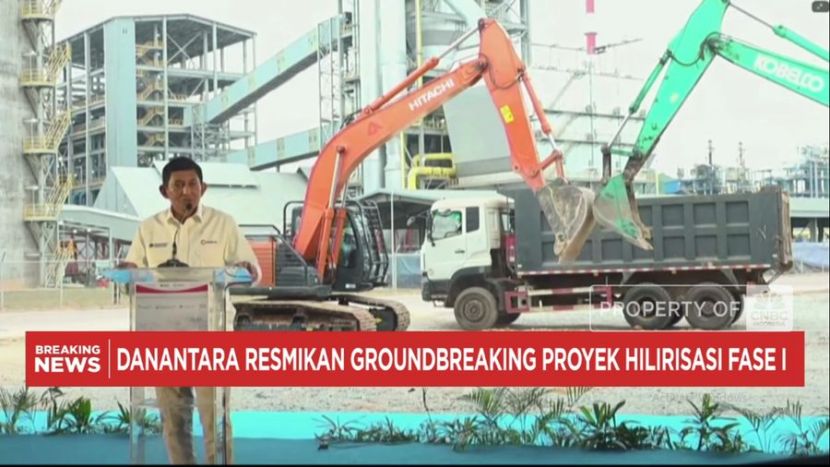
MIND ID Holds Groundbreaking Ceremony for Phase II Alumina Refinery Project
Indonesian state-owned mining company MIND ID recently held a groundbreaking ceremony for the Phase II Alumina Refinery Project in Mempawah, West Kalimantan. The project was simultaneously launched online with five other downstream industry projects, marking the formation of Indonesia's complete aluminum industry chain. The project is a collaborative effort between MIND ID's subsidiary PT Indonesia Asahan Aluminium, PT Aneka Tambang, and PT Bukit Asam, with a total investment of IDR 104.55 trillion (approximately USD 6.23 billion). It is a core strategic project for Indonesia to advance mineral downstreaming. The project has an annual production capacity of 1 million tons of alumina. Combined with the already operational Phase I project, the total annual capacity will reach
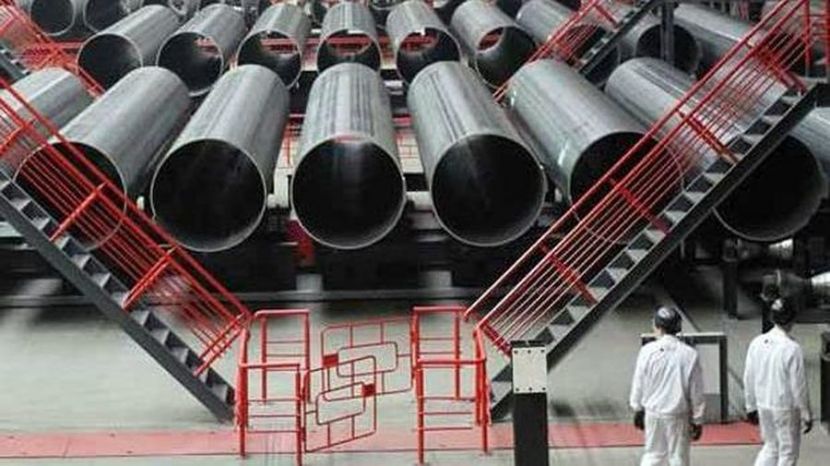
Indonesia's Steel Industry Severely Impacted by Imports
Indonesia's domestic steel industry is facing severe pressure from imported products and price competition, with factory capacity utilization at only about 52%, far below the optimal level, reflecting insufficient domestic market absorption of local products. However, Indonesia actually has sufficient steel capacity to meet the needs of all domestic construction sectors. The Executive Director of the Indonesian Iron and Steel Industry Association stated that eight steel companies have ceased operations between 2024 and 2026, with the core reasons being sustained pressure on corporate profits and low-priced imported products monopolizing the domestic market. This impact has also spread to downstream industries, employment, and the raw material supply chain. If it continues,
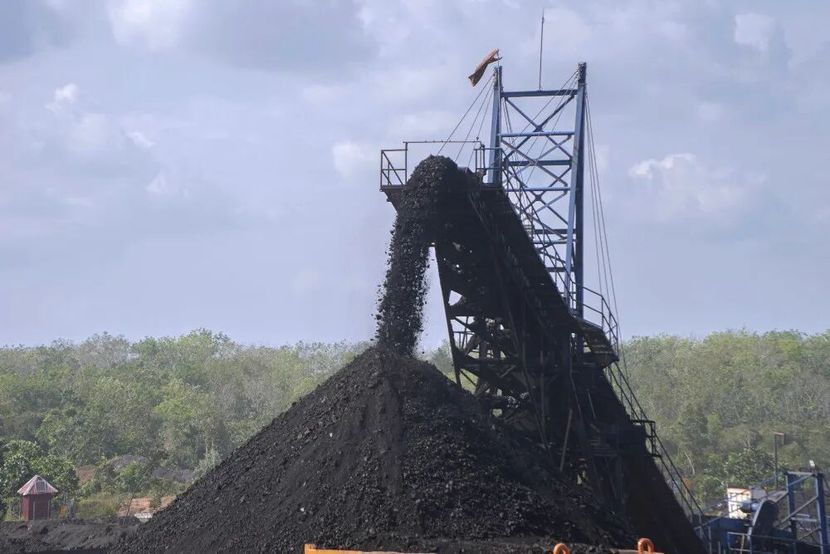
Indonesia's Government Substantially Cuts Coal Output, Potentially Impacting Business Operations
Indonesia's 2026 work plan aims to cut coal output by more than 50%, with the Ministry of Energy planning a reduction to 600 million tons, a sharp drop from 790 million tons in 2025, representing an actual cut of 40% to 70%. This policy has raised concerns in the industry, which believes it will severely impact business operations and could even trigger a chain of negative effects. Experts from the Center for Energy and Mineral Resources Law Research pointed out that a maximum output cut of 70% would severely damage corporate cash flow, potentially leading to delayed sales contracts and employee layoffs, and would also cause a short-term sharp decline in state non-tax revenue and mining royalties. It could also disrupt coal supply to domestic coal-fired power plants, requiring
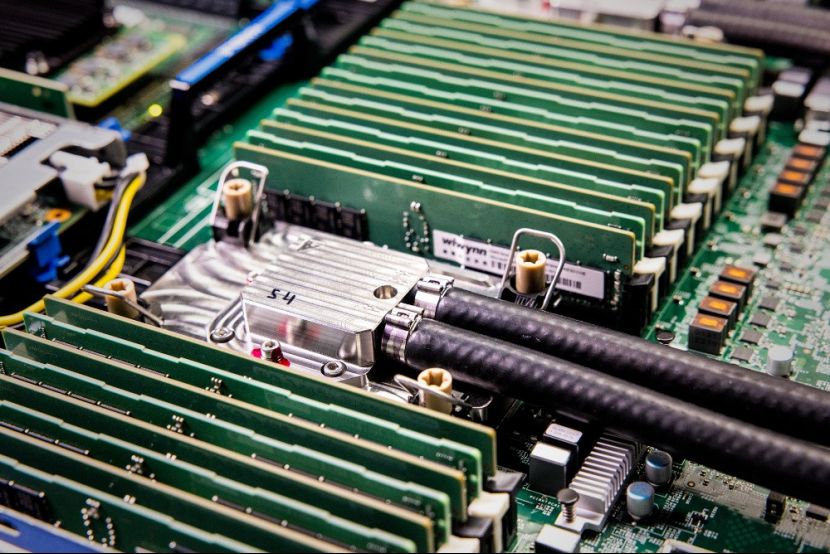
US and Chinese Investors Show Interest in Developing Indonesia's Semiconductor Industry
The Indonesian Industrial Estate Association has revealed that investors from the United States, Mainland China, Taiwan (China), and other regions have shown investment interest in Indonesia's semiconductor industry. The association calls on global semiconductor companies to form joint ventures with local Indonesian enterprises to promote technology transfer, improve the local supply chain, and enhance Indonesia's human resource capacity, preventing foreign investment from remaining only at the level of capacity building. The association's chairman stated that a US-German joint consortium has initiated semiconductor industry development in Batam, Indonesia. The consortium comprises multiple companies with an investment of US$26.73 billion (approximately IDR 447.59 trillion) in Batam, with related facilities set to
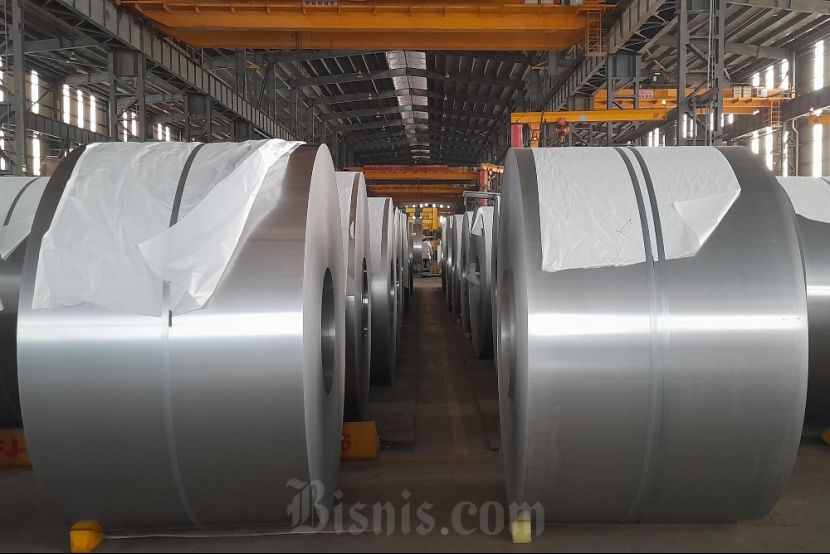
Indonesian Government Takes Multiple Measures to Relieve Local Steel Industry
The Ministry of Industry stated that the local steel industry is facing multiple development challenges, with the core issues being the influx of low-priced imported steel products and outdated domestic production equipment and technology, directly leading to insufficient absorption of local capacity by the domestic market. The Deputy Minister of Industry revealed during a working meeting with a House of Representatives commission that Indonesia's crude steel output in 2025 reached 19 million tons, up from 18.6 million tons in 2024, ranking 13th globally. According to the World Steel Association, global crude steel output in 2025 was 1.849 billion tons, with China ranking first at 960.8 million tons (51.9%), followed by India at 164.9 million tons (8.9%).
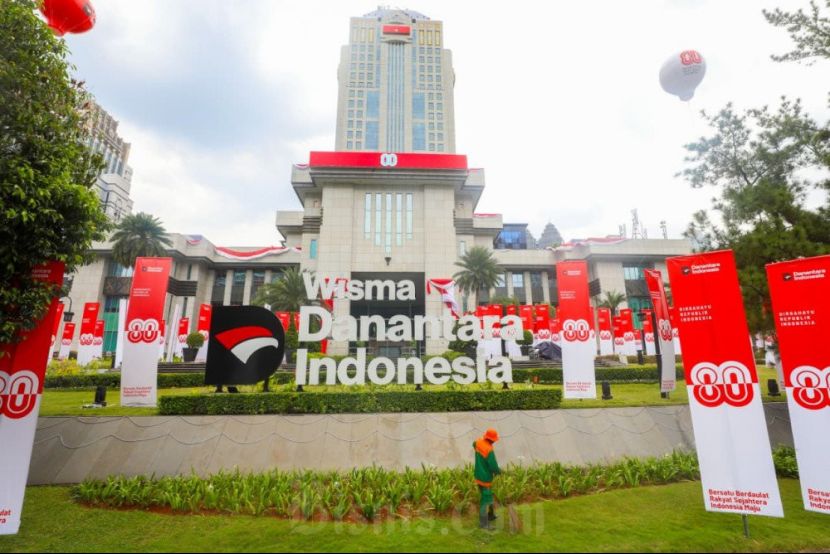
Danantara to Break Ground on Large Steel Mill Project in March This Year
State asset management company Danantara plans to hold a groundbreaking ceremony in March 2026 for an integrated steel mill project with an annual capacity of 3 million tons. The company's COO and chairman of the SOE supervisory board stated that developing upstream steel capacity is a core priority, aiming to break the long-standing monopoly of imported steel in Indonesia's domestic market. This statement was made during a working meeting and hearing with the House of Representatives' Commission VI. The 3-million-ton annual capacity steel mill project had previously involved cooperation discussions between state-owned Krakatau Steel and China's Delong Steel Group, ranked 11th globally.