
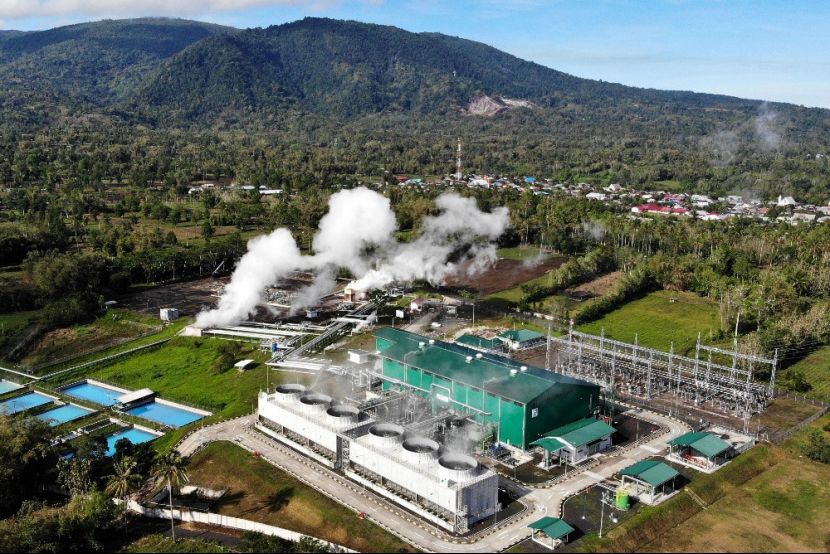
Indonesian Geothermal Energy Company Launches Geothermal Power Plant Project
PT Pertamina Geothermal Energy Tbk (PGEO) recently held a groundbreaking ceremony to officially commence the construction of the Lumut Balai 3 Geothermal Power Plant Project in the Lumut Balai Geothermal Working Area, South Sumatra Province. The plant has a capacity of 55 MW and is expected to achieve full commercial operation by 2030. The Operations Director of PGEO stated that this groundbreaking event is a critical milestone to ensure readiness in all aspects of the project, including technology, approvals, financing, and risk management. He noted that Indonesia's development of new and renewable energy has entered a crucial stage, aligning with the
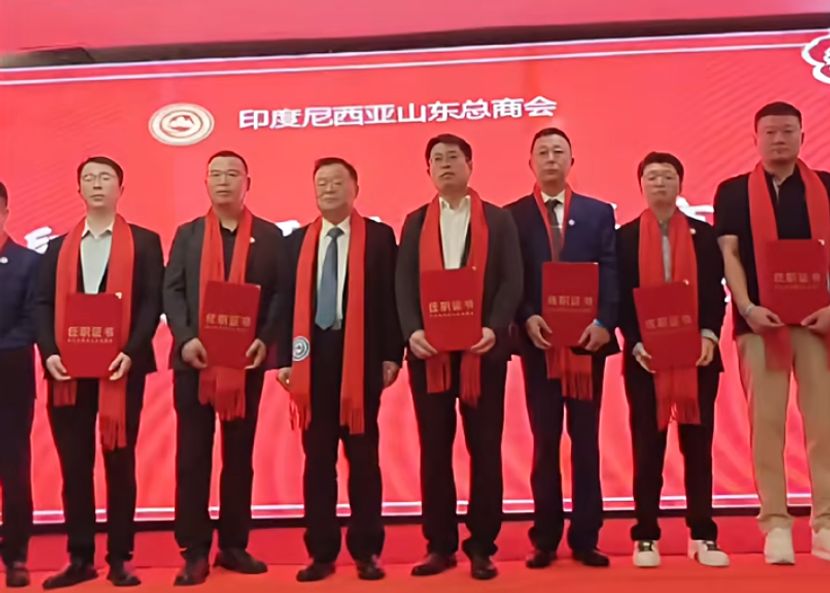
Inauguration Ceremony of the First Council of Indonesia Shandong Chamber of Commerce
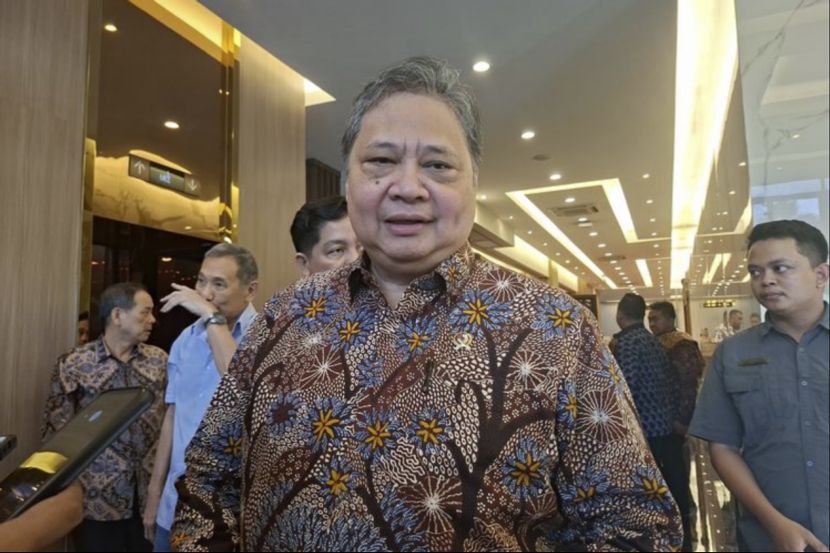
China-Indonesia 'Two Countries Twin Parks' Promotes 16 Major Projects
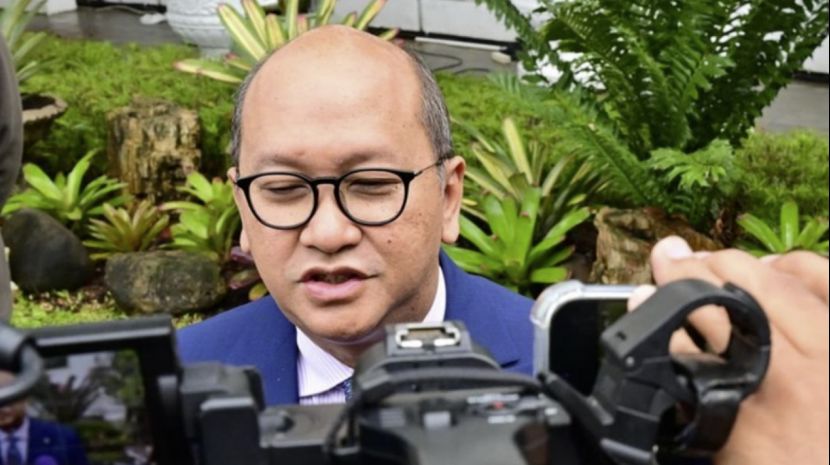
Specific List of Indonesia's 18 Major Downstream Projects
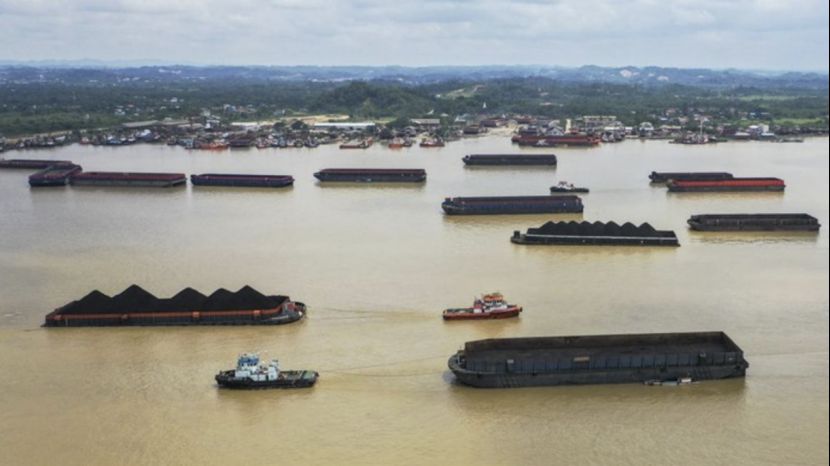
Indonesia to Lower Coal Production in 2026
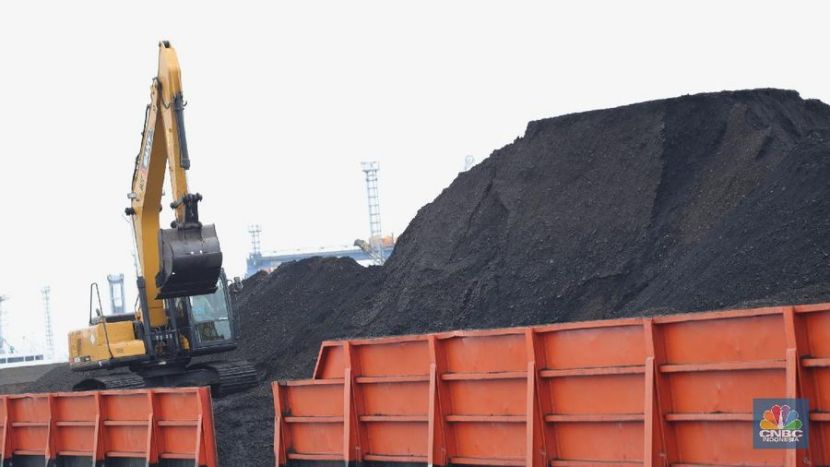
Coal Market Sees Partial Recovery in 2026, Entering Structural Adjustment Phase
International coal prices remained weak in early 2026. According to Refinitiv data, the closing price of coal on Monday, January 5, stood at USD 104.85 per ton, down 0.62% on the day and a cumulative decline of 1.4% over the past two days, continuing the downward trend. Global seaborne coal trade volumes also contracted. AXS shipping vessel tracking data shows that from January to September 2025, global seaborne coal shipments decreased by 4.3% year-on-year to 967.4 million tons (excluding domestic coastal shipping). Among major exporters, Indonesia's export volume declined

Indonesia Becomes Top Overseas Investment Destination for Chinese Enterprises
With the world's largest nickel ore reserves, a young labor force, and continuously improving investment policies, Indonesia has become the preferred destination for Chinese enterprises' overseas industrial and energy investments. Data from the General Administration of Customs of China shows that in the first 11 months of 2025, bilateral trade between China and Indonesia reached US$150.3 billion, already exceeding the total trade volume for the entire year of 2024. Indonesia's downstream industry strategy, which requires mineral resources to be processed domestically rather than exported as raw ore, precisely provides China with a stable source of critical minerals and a strategic manufacturing base. The electric vehicle industry chain is a key area of cooperation between the two countries.
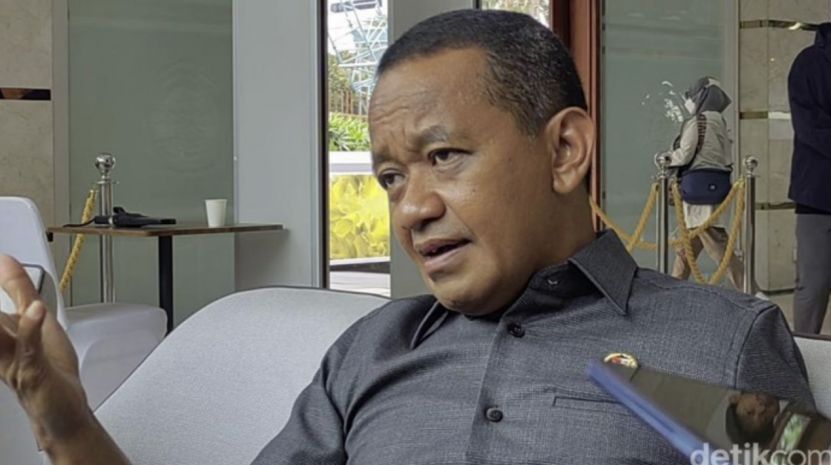
Indonesian Government to Overhaul Mining and Oil & Gas Sectors
The Minister of Energy and Mineral Resources recently emphasized that strict measures will be taken against holders of problematic mining business licenses (IUP), including companies that have failed to fulfill their obligations to the state. This demonstrates the government's commitment to overhauling the national mining governance and maximizing benefits for the public. He noted that sound mining management can increase state revenue, which can then be used for regional development, nutritious food, healthcare, education, and infrastructure construction. Alongside strict enforcement, future mining management will focus on environmental protection to prevent disasters such as floods and landslides caused by mining activities; mining activities should also promote
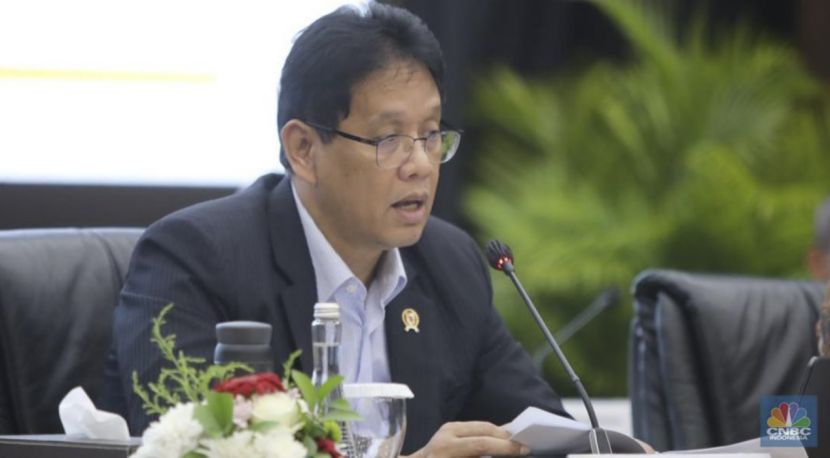
Natural Resource Export Foreign Exchange Must Be Deposited in State-Owned Banks for One Year
The Minister of Finance recently confirmed that the revised "Export Earnings Foreign Exchange Regulations" (DHE) will officially take effect on January 1, 2026. This means that natural resource (SDA) exporters must deposit their foreign exchange funds in state-owned bank groups (Himbara) for a minimum period of one year. The latest regulations will be released soon, and Bank Indonesia (BI) will simultaneously issue supporting technical details. He explained that the government regulations have completed discussions, alignment, and coordination, and only await the issuance of BI's implementing rules for full enforcement. According to the "Strategy for Strengthening Domestic Foreign Exchange Liquidity Policy" document issued by the Ministry of Finance to the banking sector, effective January 1, 2026, natural resource exporters are mandatorily required to deposit their foreign exchange earnings only in Himbara. Previous regulations did not specifically restrict which banks could receive DHE SDA, but the new rules explicitly limit this to Himbara.
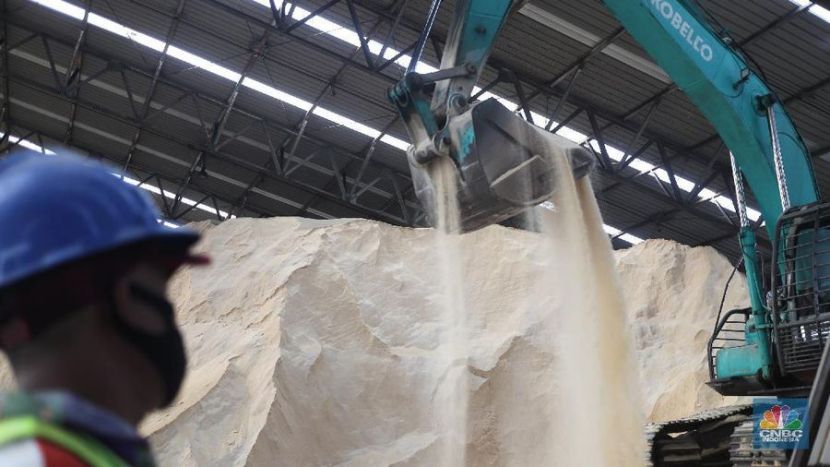
Indonesia Bans Import of Edible Sugar This Year
The Indonesian government has clarified that it will stop importing edible sugar from 2026, allowing only raw sugar for industrial purposes. This policy has been included in the 2026 Food Commodity Balance Sheet. The Deputy Coordinator for Food Distribution and Logistics at the Coordinating Ministry for Maritime and Investment Affairs stated that this policy was finalized during relevant coordination meetings. The demand for white sugar for edible purposes will be fully met by domestic supply, with no further reliance on imports. The government-approved import quotas are only for industrial use, including 3,124,394 tons of industrial raw sugar, as well as an additional allocation of 508,360 tons under the "Export-Oriented Import Facilitation" (KIT)
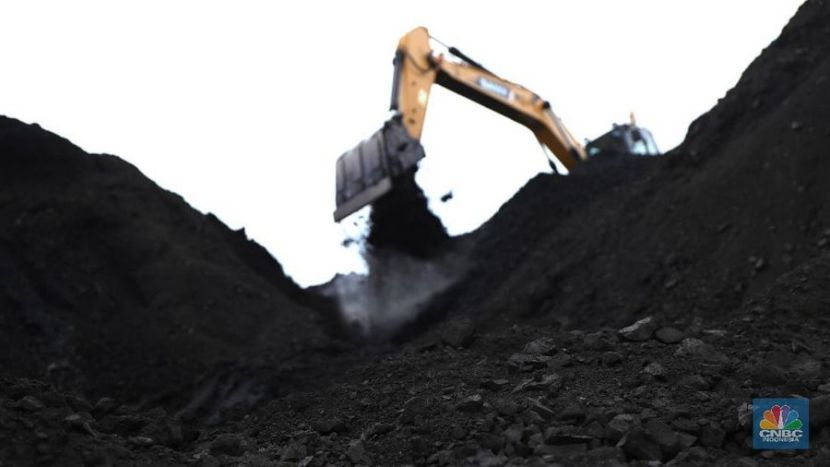
Indonesia Plans to Cut Coal and Nickel Production Next Year to Stabilize Prices
Indonesia plans to reduce coal and nickel production in 2026, aiming to balance the supply and demand of these two minerals in the international market and thereby stabilize commodity prices. The Minister of Energy and Mineral Resources explained that current commodity prices such as coal and nickel have been declining due to global oversupply, with Indonesia's own export volume being a significant influencing factor. He noted that Indonesia exports 5-6 billion tons of coal annually, accounting for nearly 50% of the global coal trade volume of 1.3 billion tons, which is the core reason for the decline in international coal prices. By controlling production and tightening supply, the government can help domestic enterprises obtain
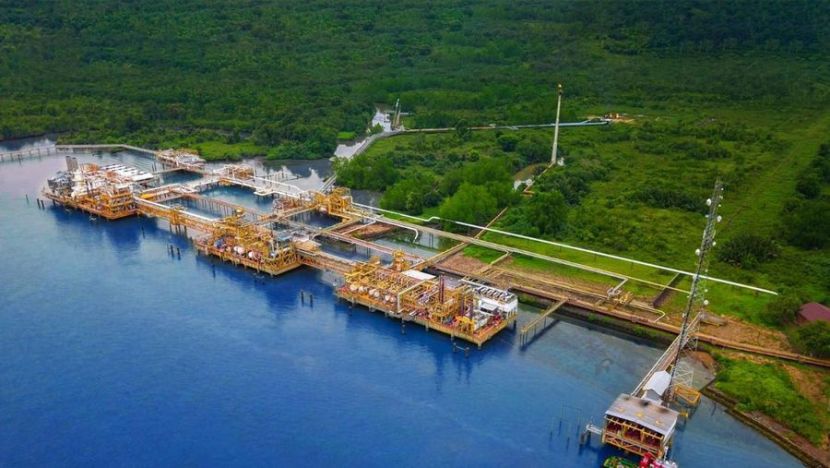
Indonesia's Upstream Oil and Gas Sector Regains Global Interest
The Ministry of Energy and Mineral Resources has revealed that, thanks to the government's creation of a more competitive investment environment, multiple international oil and gas companies have regained interest in Indonesia's upstream oil and gas projects, and many that previously withdrew are planning to return. The Director General of Oil and Gas at the ministry stated that this shift stems from the government's resumption of the cost recovery production sharing contract (PSC) model, which is being implemented in parallel with the gross revenue sharing contract model, along with various incentive policies. Highly attractive fiscal and tax terms have prompted established companies to return. He noted that Indonesia remains highly attractive to global oil and gas investors, with companies such as Ita