
Indonesian Industry Calls for Crackdown on Upstream Importers of Used Clothing
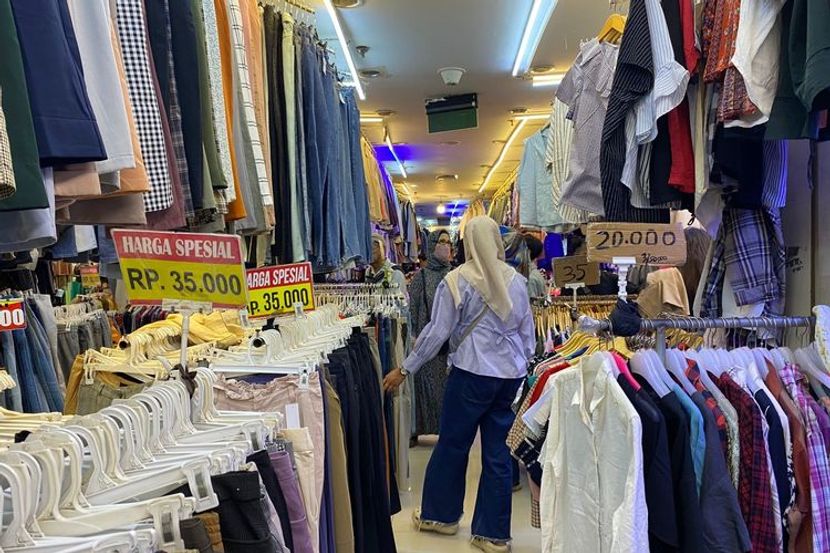
Regarding the issue of used clothing (thrifting) imports, the Finance Minister recently reiterated that the government will continue to crack down on illegal imports and rejected proposals to legalize such imports through taxation, emphasizing that the key lies in the legality of goods rather than taxes. However, public opinion questions whether current enforcement reaches the source, instead endangering the livelihoods of small traders at the grassroots level. Indonesia has long had regulations restricting the import of used clothing to protect consumer health and safety, and the 2020 Job Creation Law further strengthened related controls. However, enforcement often targets small traders in traditional markets, who only purchase goods from suppliers rather than directly engaging in imports, while upstream importers
Decoding Indonesia's Mining Giant MIND ID: From State-Owned Enterprise to Mining Leader
11 Billionaires Involved in Indonesia's Palm Oil Industry
China and Indonesia Reach a Series of Strategic Cooperation Agreements
Indonesia's Alumina Production to Increase to Two Million Tons
Indonesia Opens Tenders for Waste-to-Energy Plants in Four Cities
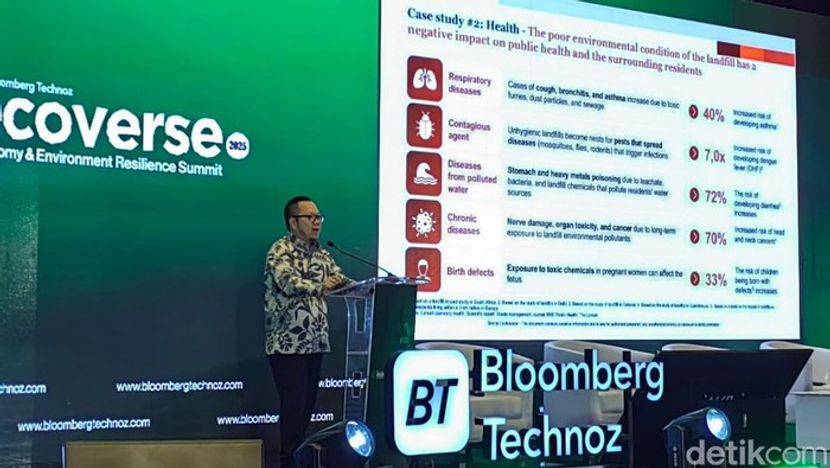
The Indonesia Future Energy Investment Authority (BPI Danantara) announced the opening of the first phase of tenders for waste-to-energy plant (PLTSa) projects in four cities (Bogor, Bekasi, Denpasar, and Yogyakarta). This is part of the government's vigorous push for waste-to-energy projects, supported by the previously issued Presidential Decree No. 109 of 2025. Currently, 24 waste-to-energy technology suppliers and their consortia have passed the selection list, and only they can participate in Indonesia's waste-to-energy tenders. The tenders for these four cities are independent of each other, and the 24 companies and their consortia (including private and
Indonesia Plans to Build Waste-to-Energy Plants in Seven Locations
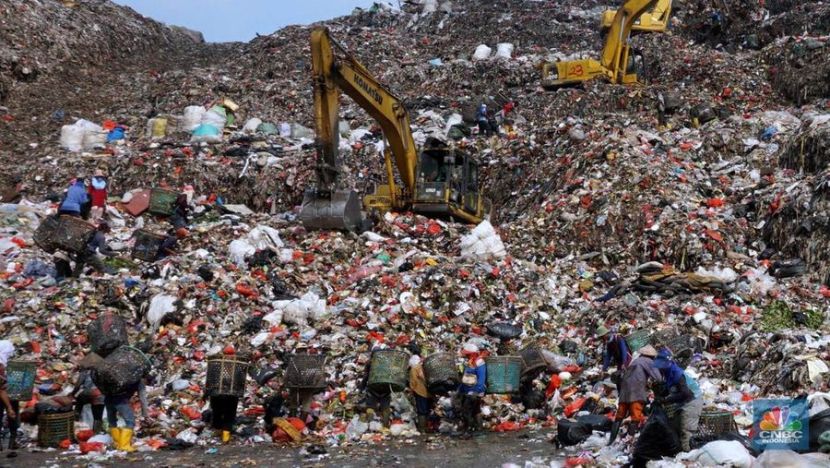
State Electricity Company (PLN) reveals that building waste-to-energy plants (PLTSa) in seven locations requires a large supply of waste. To achieve an installed capacity of 197.4 MW, up to 12,000 tons of waste must be processed daily. The President Director of PLN stated that, with coordination from BPI Danantara and support from relevant ministries, PLN has conducted research on these seven locations planned as pilot waste-to-energy projects and prepared a pre-feasibility study. This action follows the issuance of Presidential Decree No. 109 of 2025, which aims to

Indonesian Government to Crack Down on Chinese Imports Undermining Local Industries
The Indonesian government will take action against Chinese imports that hurt local products, and this is not limited to used clothing. The Minister of Micro, Small and Medium Enterprises stated after a meeting at the Ministry of Trade in Jakarta that the government intends not only to regulate used clothing imports but also to control Chinese import goods that undermine local MSME products. For used clothing imports, the government has consolidated 1,300 clothing and footwear brands as alternatives so that used clothing importers can still have goods to sell. He stated that the government is in communication with used clothing importers, hoping they will shift to local products to ensure that their businesses are not too severely affected and to avoid a gradual decline in the supply of imported clothing
Indonesia and South Korea Collaborate to Develop Electric Vehicle Battery Industry
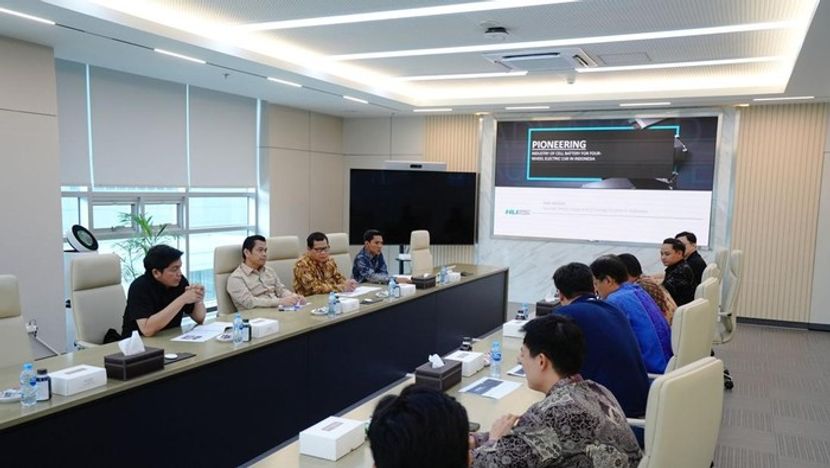
The Coordinating Ministry for Economic Affairs recently conducted a site visit to the PT HLI Green Power production facility in Karawang, West Java, to promote a green and sustainable economic transition and accelerate the development of the national electric vehicle (EV) industry. The Deputy Coordinator for Economic Digital Cooperation at the Coordinating Ministry stated that the company's facility is one of the largest and most strategically important EV battery manufacturing structures in Indonesia. The visit aimed to gain firsthand insight into the readiness of the EV battery ecosystem developed by the company. As a joint venture between Hyundai Motor Group and LG Energy Solution, the company has invested
Indonesia Aggressively Develops Waste-to-Energy Projects
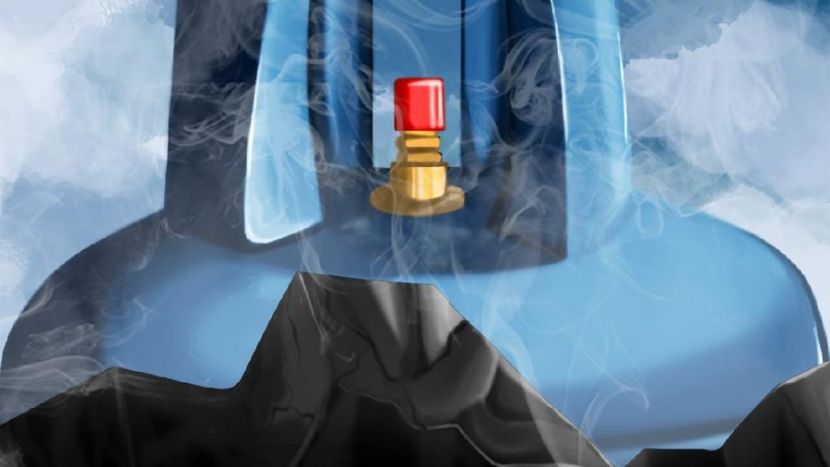
Indonesia is entering a critical phase of national energy transition, adopting an innovative model combining waste-to-steam and coal-to-dimethyl ether (DME) to address LPG import dependence and increasing urban waste. This model converts municipal waste into high-pressure steam for coal gasification, which then synthesizes clean fuel DME to replace LPG. A plant processing 5,000 tons of waste and 3,000 tons of coal per day produces about 900 tons of DME daily. With deployment in 15 strategic cities, annual DME production could reach 5 million tons, meeting 40% of domestic LPG demand.
Influx of Chinese Imported Trucks Impacts Local Automakers
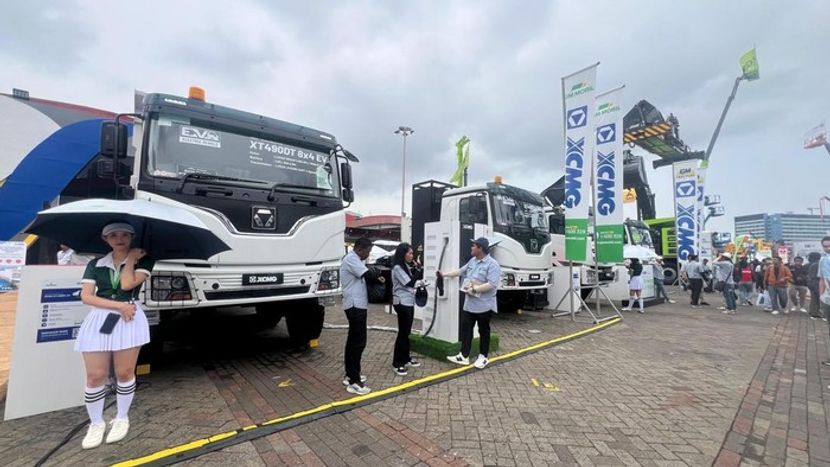
Indonesia's import of Chinese trucks has raised concerns among local automakers, with some companies already affected. Automotive analysts point to a lack of coordination in policies and regulations regarding off-highway commercial vehicles (e.g., for mining areas) among the Ministry of Energy, Ministry of Transportation, and Ministry of Industry. Japanese automakers face competitive imbalance due to overlapping policies. Chinese trucks used in enclosed mining areas are not subject to the same regulations, with many still using Euro II or Euro III engines, while Japanese automakers have invested trillions of rupiah to upgrade production lines to meet the government's Euro IV standards, resulting in higher costs. Mitsubishi Fuso has already been impacted by imported Chinese trucks and has raised the issue with the Indonesian Automotive Industry Association (Gaikindo), but the government has yet to provide a solution.
IEA Expects Coal Demand to Peak in 2030
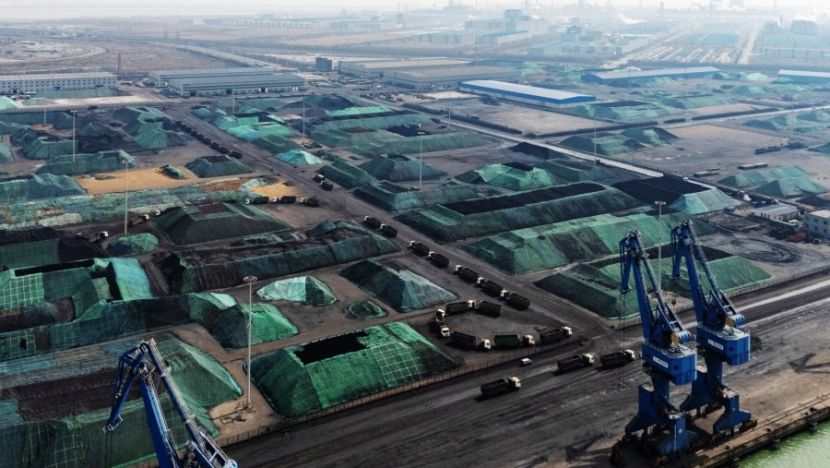
The International Energy Agency (IEA) expects global coal demand to peak in 2030, with future market dynamics determined by China, India, Indonesia, and several Southeast Asian countries, where about half of coal demand is used for power generation. The IEA believes that the coal outlook for these countries depends on the power system's ability to absorb natural gas and the capacity of newly added renewable energy (EBT). By 2035, EBT capacity in developing countries will increase by an average of over 600 GW per year, enough to drive a sustained decline in coal demand. However, if the trend of EBT and natural gas absorption stalls, coal demand could rebound.