
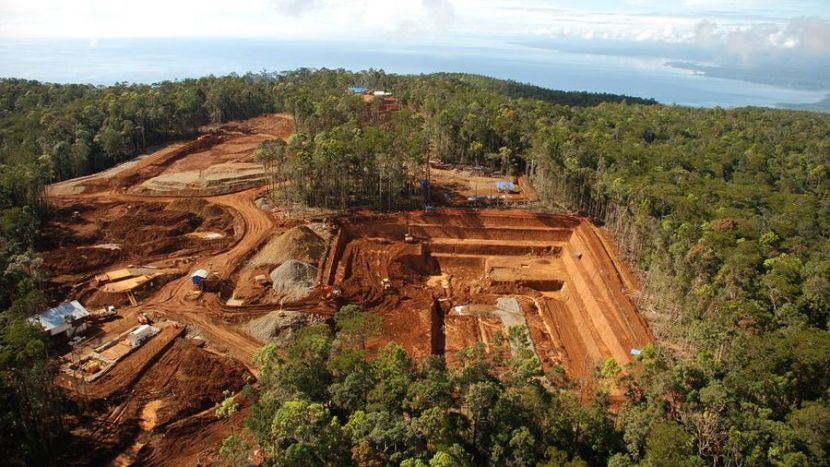
Indonesia Confiscates 148 Hectares of Land from Weda Bay Nickel Mine
The Ministry of Energy and Mineral Resources (ESDM) confiscated 148.25 hectares of mining area belonging to PT Weda Bay Nickel (WBN) on Halmahera Island, North Maluku Province. Although the mining area holds a mining permit, it did not obtain a Forest Borrow-Use Permit (IPPKH); at the same time, 172.82 hectares of nickel mining area belonging to PT Tonia Mitra Sejahtera (2.93% of its total mining area) was also confiscated. The company's shareholding structure is: China's Tsingshan Holding Group (51.3%), France's Eramet (37.
Indonesian Investment Agency Danantara Plans to Invest in Vale Nickel Processing Project

Indonesia to Import 1.4 Million Kiloliters of US Fuel in Exchange for Tariff Reductions
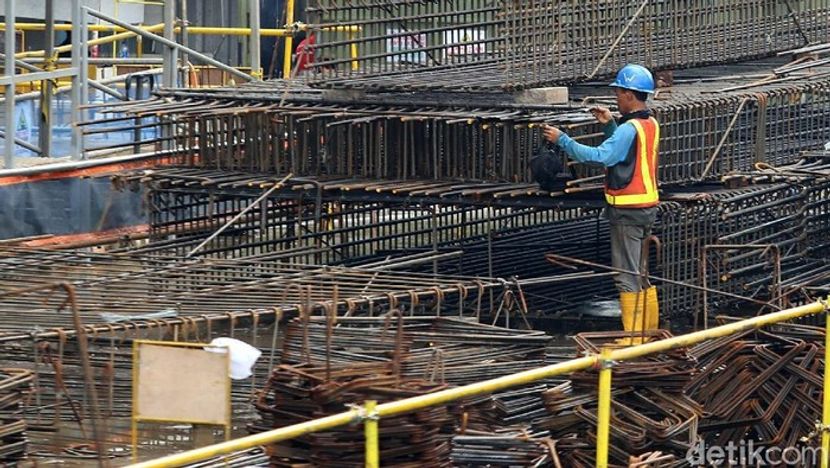
Imported Steel Threatens Indonesia's Local Steel Industry
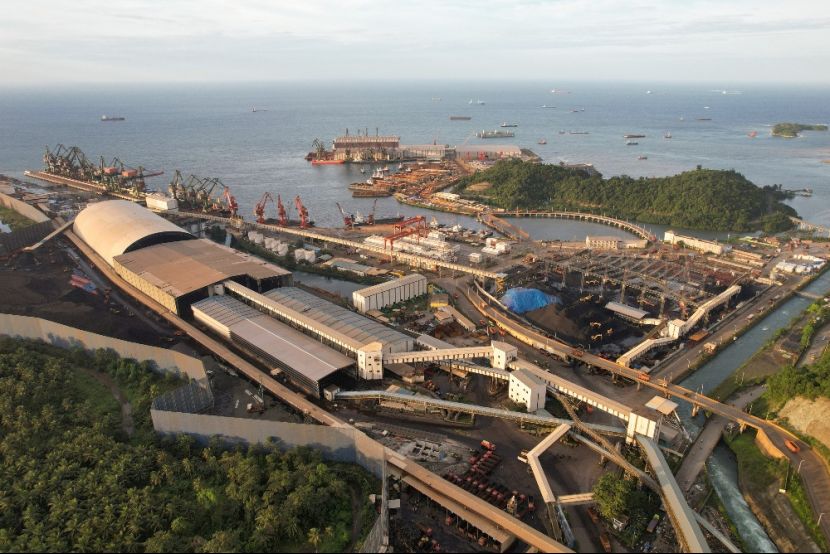
Nickel Prices Rise After Partial Confiscation of Weda Bay Nickel Mine
8 International Retail Brands Officially Enter Jakarta's High-End Malls
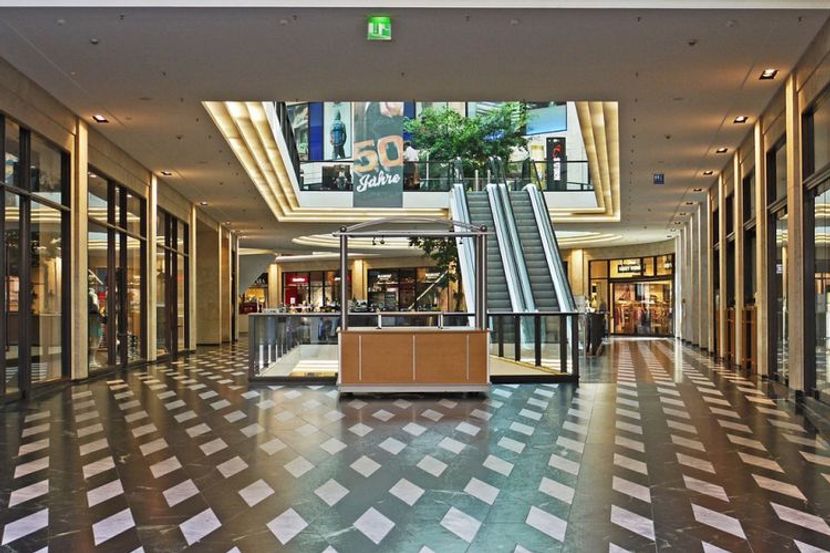
In September 2025, eight international retail brands announced their entry into high-end malls in Jakarta, covering food, fashion, lifestyle and other sectors, reflecting international brands' confidence in Indonesia's consumer market. The brands and their locations are: Korean food brand Samyuga at Lippo Mall Puri, American footwear brand Red Wings Shoes at Lotte Mall Jakarta, and high-end luggage brand Samsonite Black Label at Plaza Indonesia.
Kendal to Become World's Largest Electric Vehicle Battery Production Base
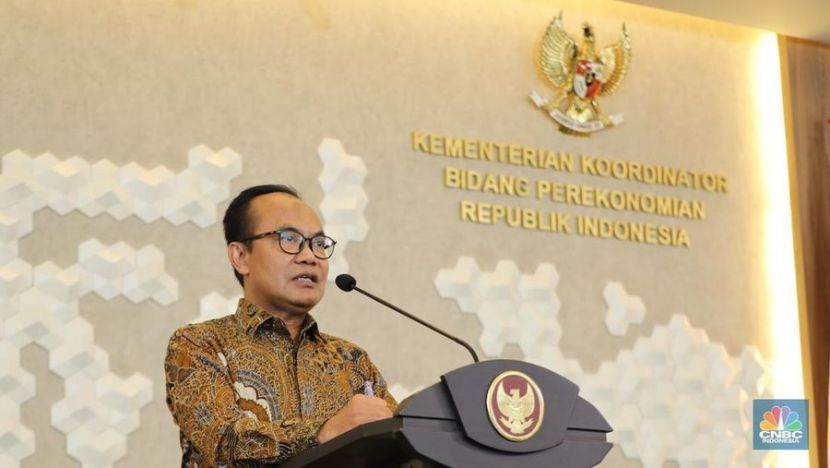
The Secretary of the Coordinating Ministry for Economic Affairs recently announced that the Kendal Special Economic Zone (KEK Kendal) is developing into a global production center for electric vehicle battery materials. As of the second quarter of 2025, the zone has attracted IDR 90.12 trillion (approximately USD 5.8 billion) in investment, created 66,000 jobs, and hosted 128 companies. Annual anode material production capacity is 160,000 tons (the world's largest, surpassing China's 120,000 tons), supplying automakers such as Tesla in the United States; while cathode material production capacity is 120,000 tons of Lithium Iron Phosphate (LFP) material per year, the largest in Southeast Asia.
China-Indonesia Joint Development of IDR 2.6 Trillion Waste-to-Energy Project
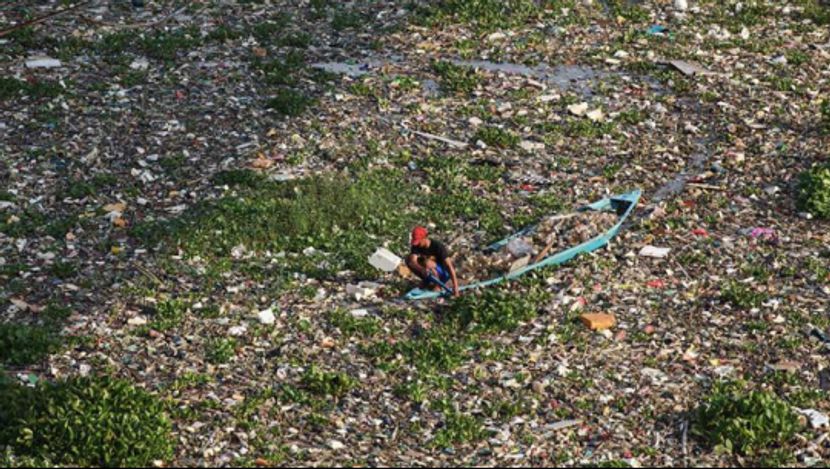
In September 2025, Indonesia's PT Maharaksa Biru Energi Tbk (OASA) and China Tianying (CNTY) established a joint venture to jointly develop the South Tangerang Waste-to-Energy (PLTSa) project. The total investment in the project reaches IDR 2.65 trillion (approximately USD 170 million), with an installed capacity of 19.6 MW. A 27-year Power Purchase Agreement has been signed with PT PLN (Persero). OASA holds a 76% stake through its subsidiary PT Indoplas Energi Hij
Indonesia Sets Waste-to-Energy Electricity Price at USD 0.2/kWh
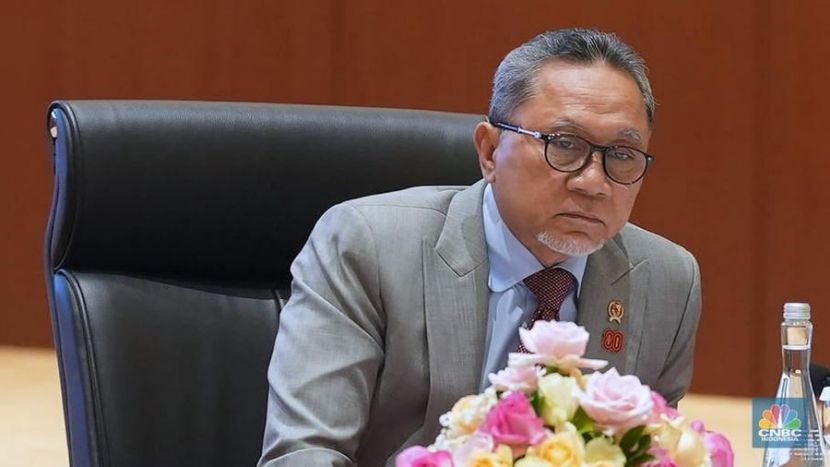
The Indonesian government has announced a uniform electricity sales price of USD 0.2/kWh (approximately IDR 3,000) for waste-to-energy projects, with no negotiation allowed for investors. The policy was announced by the Coordinating Minister for Economic Affairs at the Presidential Palace, aiming to accelerate waste management solutions across 33 provinces nationwide. The project is managed by the National Investment Institution Danantara, with a target completion of 1-1.5 years. Coverage includes 33 locations such as Jakarta, Bandung, and Bali, with daily waste processing capacities of 1,000-2,500 tons. The government will conduct transparent open tenders, and technical proposals must comply with uniform standards.
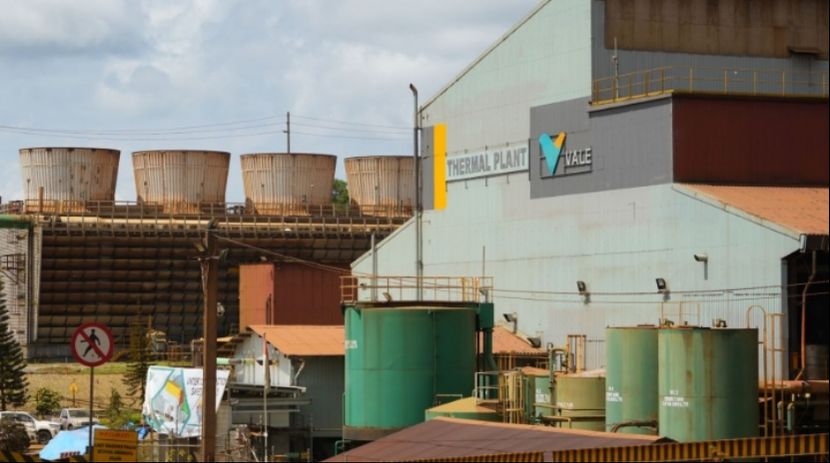
Danantara Group Plans Nickel Smelting Projects in Indonesia
rnrnIndonesian investment group Danantara recently announced two major nickel investment plans, including an HPAL project in partnership with Chinese company GEM, signing a $1.42 billion agreement to build a wet冶炼 plant with an annual capacity of 66,000 tons of mixed hydroxide nickel, in collaboration with Brazil's Vale Indonesia. GEM has invested $30 million to jointly establish a metallurgical laboratory with Bandung Institute of Technology (ITB) to support the development of the Indonesian Green Industrial Park (IGIP), expected to create 80,000 jobs. rnrnAdditionally, there is a proposed acquisition of the GNI nickel pig iron plant, considering an injection of $20 billion to acquire PT GNI, a subsidiary of Jiangsu Delong Nickel Industry, aiming to alleviate operational difficulties caused by the parent company's financial crisis (current capacity is only 30%-40%, with 12 production lines halted). Experts believe the HPAL project holds greater strategic value, while the GNI acquisition would require assuming its legacy debts and pressure to upgrade the RKEF technology production lines. rnrnGNI currently relies on a $60 million syndicated loan to maintain medium-term liquidity, with outstanding payments to energy and nickel ore suppliers yet to be resolved. Danantara's CEO stated that both investments are in the due diligence stage, with final decisions dependent on compliance assessments. This move will strengthen Indonesia's position in the global nickel supply chain, but requires balancing short-term restructuring risks with long-term returns.
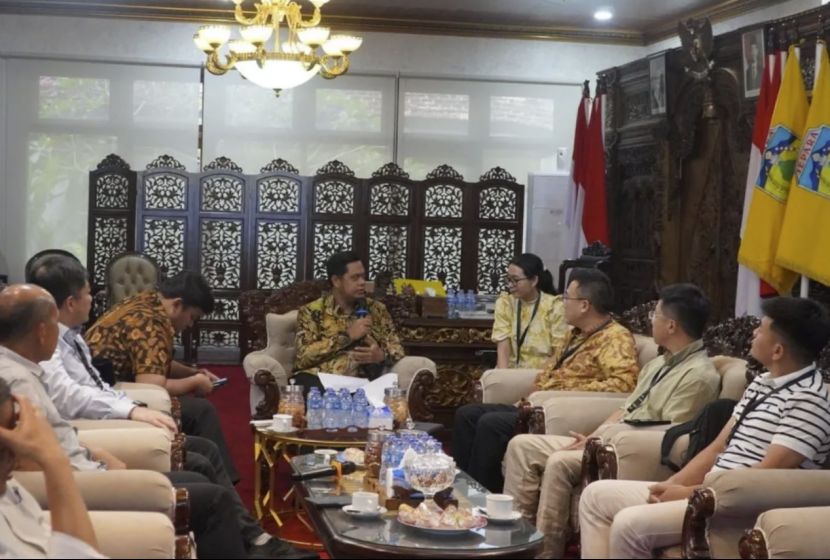
Chinese Enterprise Assists Central Java in Developing Waste-to-Energy Project
Jepara Regency Government in Central Java recently signed a cooperation agreement with China's Zhejiang Jinjiang Environment Group, planning to convert domestic waste into renewable energy starting in 2026. The project aims to address the overloaded landfill issues and promote green economy development. The project uses Chinese technology to convert valueless residual waste into energy, achieving 100% waste utilization; housewives and other groups can earn extra income through waste sorting, while recyclables such as plastic and metal are still handled by residents; it also supports Jepara in building an "environmental protection demonstration zone", completely changing
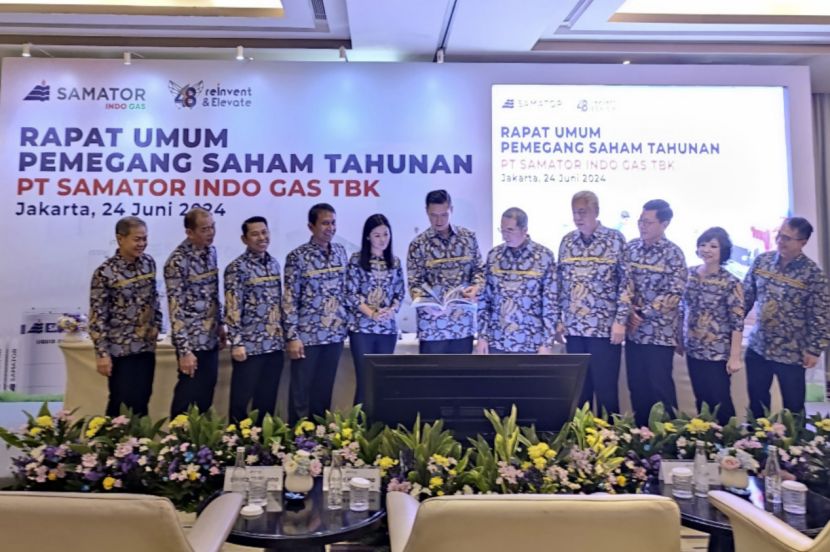
China-Indonesia Enterprises Cooperate to Develop Indonesian Industrial Gas Market
Indonesian industrial gas leader PT Samator Indo Gas (AGII) recently announced a strategic partnership with Chinese companies to jointly develop the industrial gas and clean energy sectors. They signed a Memorandum of Understanding with China IG Member Alliance (CIGMA) to establish "China-Indonesia Gas and Clean Energy Joint Working Group", focusing on advancing new technologies such as hydrogen processing. Samator currently operates 58 industrial gas plants and 103 filling stations across 29 provinces in Indonesia. The company