

Prabowo Advances Tin Smelting Industry Development
President Prabowo recently visited Sumbawa Island, West Nusa Tenggara, to inspect tin smelter assets worth trillions of rupiah that were previously seized by prosecutors. During the inspection, Prabowo received briefings from the State-Owned Enterprises Minister and relevant officials on the smelter's operations and asset seizure status. The smelter is one of Indonesia's largest tin smelters, and its assets were seized due to complex legal and ownership disputes. Prabowo emphasized the need to resolve the dispute as soon as possible, restart operations, create jobs, and boost local economic development. The accompanying State-Owned Enterprises Minister stated that
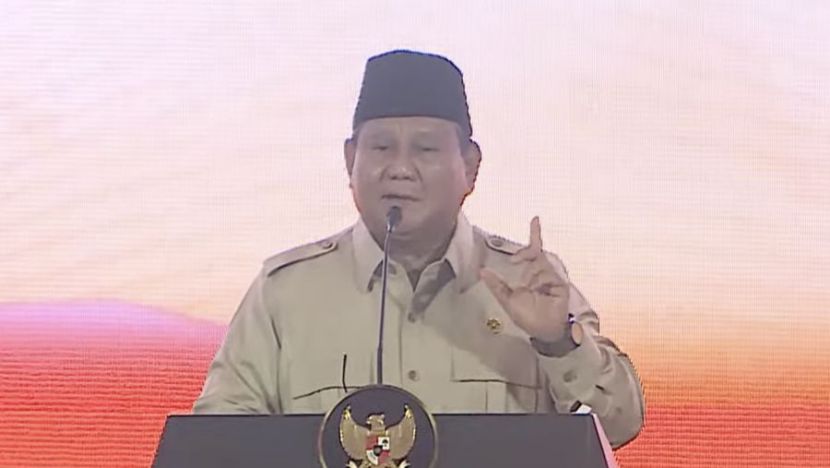
Prabowo Transfers Six Smelters to Indonesian Tin Company

Indonesia's Financial Market Shows Mixed Recent Performance with Net Foreign Inflow Driving Stock Market Gains
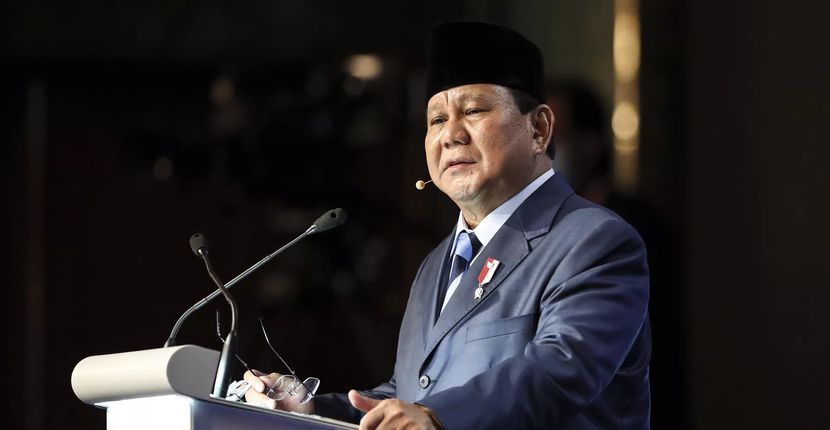
Prabowo Cracks Down on Tin Mining, Reshaping Global Tin Supply
Chinese and South Korean Companies Cooperate to Build Stainless Steel Factory in Indonesia
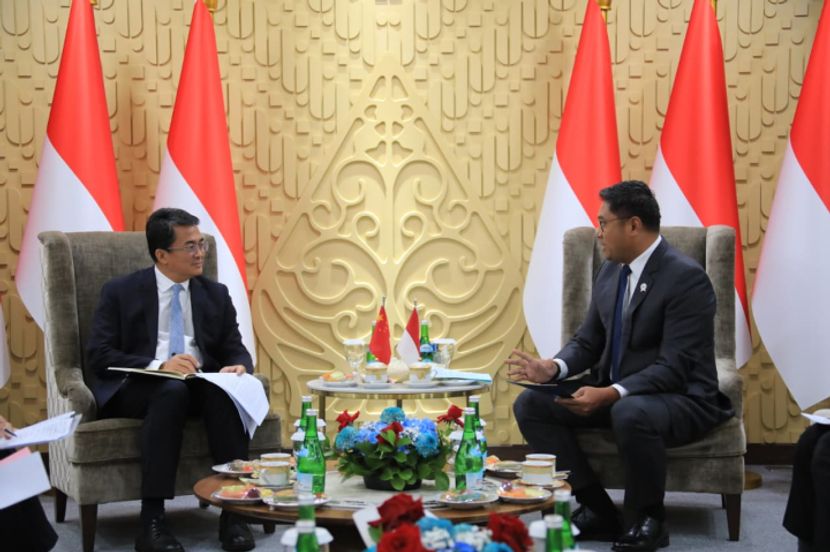
China-Indonesia Cooperation Drives Agricultural Industry Development
Indonesia's Deputy Minister of Agriculture recently met in Jakarta with the visiting Deputy Minister of Agriculture and Rural Affairs of China. The two sides reached four consensus points on agricultural cooperation: they will strengthen rice research cooperation, focusing on developing salt-tolerant rice varieties to increase rice yields in Indonesia's coastal areas. As a high-yield rice producer, Indonesia hopes to deepen cooperation with China in seed research and industrialization. Currently, Indonesia has a trade surplus of US$1.7 billion in agricultural products with China, mainly exporting palm oil, natural rubber, bird's nests, and other commodities. Indonesia plans to further expand exports of these strategic goods to China; Indonesia seeks China to open up trade for durian,
Indonesia to Continue Promoting Waste-to-Energy Projects
The Indonesian investment management agency BPI Danantara announced the advancement of waste-to-energy projects, with an estimated investment of 2 to 3 trillion rupiah to process 1,000 tons of waste daily. The project is jointly implemented by local governments, ministries, and enterprises. Technology partners are open to domestic and international companies as well as state-owned enterprises. The optimal solution will be selected through evaluation, with the core goal being environmental protection rather than profit. The agency's CEO revealed that PLN (State Electricity Company) will be responsible for waste procurement and energy conversion, taking over the waste treatment fees that were originally paid by local governments, with subsidies provided by the central government. The electricity tariff is set at
Chinese Cigarette Imports Impact Local Industry Development
The Finance Minister recently emphasized the need to protect the survival of the local tobacco industry, while also addressing the issue of Chinese cigarette imports. Data from the Central Bureau of Statistics shows that from 2021 to July 2025, Indonesia imported tobacco and cigarettes (HS code 24, two-digit) from China worth USD 2.01 billion. The highest import value was in 2022, reaching USD 255.7 million; during the same period, total imports amounted to 252,456.6 tons, with the highest import volume in 2022 at 67,527.5 tons. He stated that he will soon meet with the Tobacco Industry Association to discuss the best tobacco tax
Why Did the Indonesian Government Suspend 190 Mining Companies?
190 mining companies suddenly slammed on the brakes. The Nickel Mining Association directly backed the authorities, and even the President called for clearing out illegal mines. To make money in Indonesia's mining sector, companies must first pass compliance checks. The turning point has truly arrived. On September 18th, the Directorate General of Minerals and Coal at the Indonesian Ministry of Energy and Mineral Resources suddenly dropped a bombshell, suspending 190 mining companies. In simple terms, there were two issues: either they had not paid enough reclamation guarantee deposits, or their RKAB (Work Plan and Budget for Mining Operations) was non-compliant. More critically, the Indonesian Nickel Mining Association directly came out in support of the enforcement, and this is not an isolated incident. As early as August 15th, Independence Day, Prabowo
Indonesian Nickel Mining Association Supports Government's Suspension of 190 Mining Companies
The Ministry of Energy and Mineral Resources recently suspended 190 mining companies (including 39 nickel companies) for failing to fulfill reclamation guarantee obligations (violating Government Regulation No. 78 of 2010). The Secretary General of the Indonesian Nickel Mining Association (APNI) recently issued a statement supporting the government's efforts to regulate the industry order and ensure fair competition for compliant companies. He also urged member companies to make up the guarantee within the deadline and submit reclamation plans, integrating reclamation compliance into the national ESG standards (environmental pillar). The ESG standard framework includes: Environment (E) reclamation progress, tailings management, water resource recycling
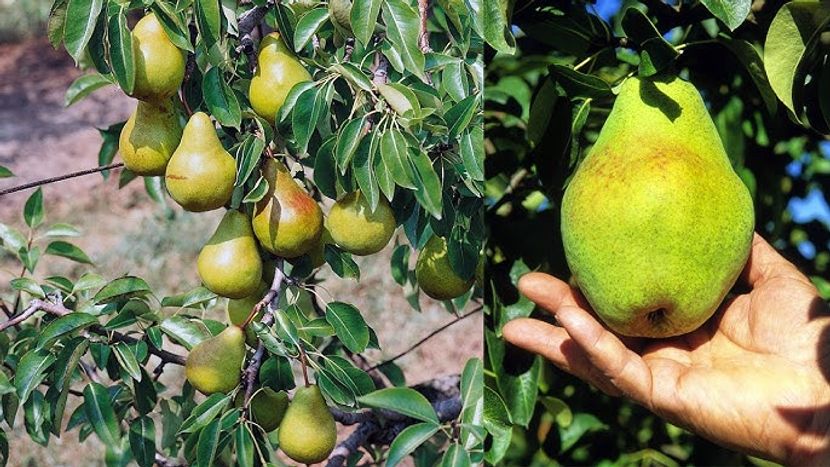
Indonesian Policy Adjustment Affects China's Fresh Pear Exports
In the first half of 2025, China's pear exports increased by 18.26% year-on-year, but experienced a phased decline in the Indonesian market due to policy impacts. Indonesia delayed the registration and approval of testing laboratories to August, while only recognizing pesticide residue test reports from specific time periods. Some batches required secondary testing, leading to customs clearance delays of 15-20 days, a 30% increase in testing costs, and a 50% rise in container detention fees. Recent policy adjustments led to a 30% year-on-year decline in export volume from July to August, mainly affecting export enterprises in North China. However, by the end of August, 20 Chinese laboratories had their COA certification reinstated.
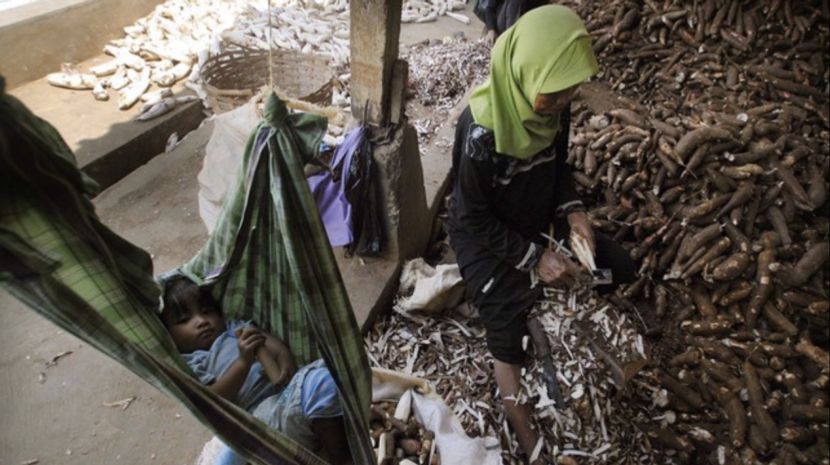
Indonesia Restricts Cassava and Ethanol Imports to Protect Farmers' Interests
The Minister of Trade recently signed a ministerial regulation formally restricting the import of cassava (singkong) and ethanol (etanol). This policy was issued at the direction of President Prabowo to protect domestic agriculture and the sugar industry. The government requires that imports of cassava and cassava products (such as cassava starch) must have a producer importer license (API-P), while ethanol imports must go through the import approval (PI) mechanism. Additionally, a technical recommendation letter or commodity balance sheet from the Ministry of Industry is required, and customs will strengthen import supervision. Previously unrestricted imports led to a sharp decline in sugarcane molasses prices,