

Indonesia Deepens Wood Downstream Processing to Become Global Furniture Manufacturing Hub
The Ministry of Industry aims to position Indonesia as a global furniture manufacturing hub by strengthening the sustainable wood downstream industry and enhancing national industrial competitiveness. The Minister of Industry stated that the furniture industry is a key model for wood downstreaming, being a labor-intensive sector that creates high added value and drives economic growth. The global furniture market exceeds USD 736.21 billion, and Indonesia plans to not only increase production capacity but also take a leading position in design and sustainability over the next five years. In 2025, Indonesia's processing and manufacturing industry grew by 5.30%, higher than the national economic growth rate of 5.11%, marking the first time it has surpassed this figure in 14 years. The manufacturing sector contributed 19.07% to GDP, with manufacturing value added (MVA) reaching USD 265.07 billion, ranking 13th globally and 1st in ASEAN. However, Indonesia's furniture industry still faces challenges: exports fell by 3% to USD 1.85 billion in 2025, while imports rose by 6% to USD 820 million.
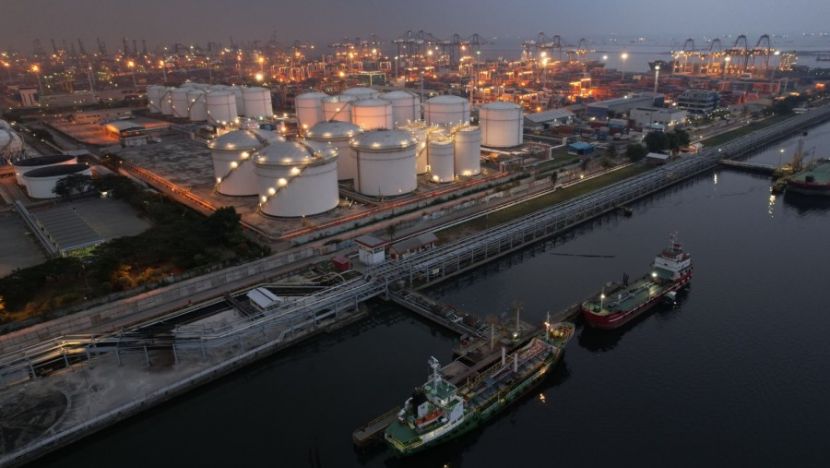
Indonesia's Crude Oil Reserves Only Support 23 Days; Needs 56 New Storage Tanks to Meet International Standards
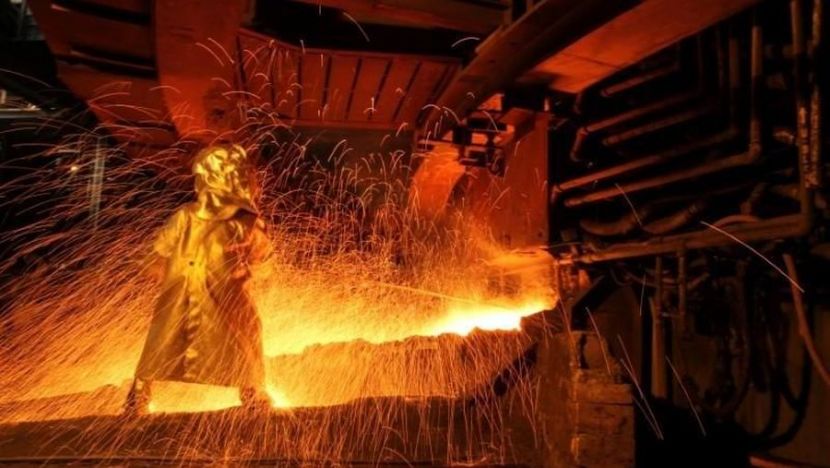
Indonesia Imports Nickel Ore to Fill Smelter Demand

Two Chinese-funded Enterprises Selected for Indonesia's Waste-to-Energy Projects
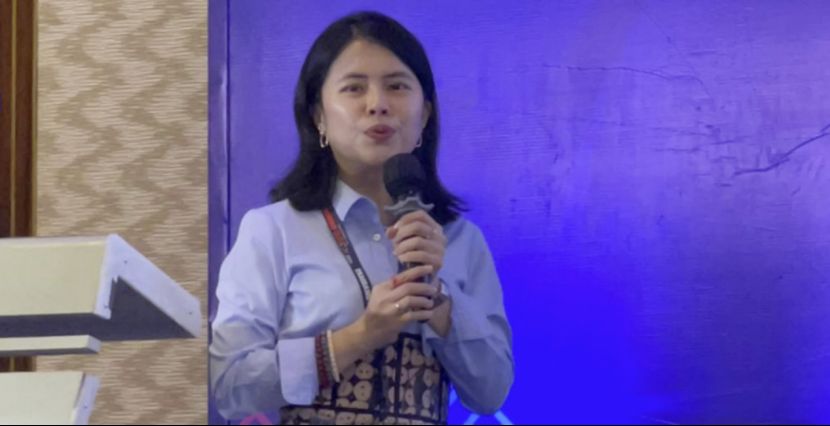
Nickel Industry Transformation and Downstream Development Benefit Indonesia's Sustainable Development

Two Chinese Companies Selected for Indonesia Waste-to-Energy Projects
Indonesia's Danantara recently announced the selection of partners to build waste-to-energy (WtE/PSEL) facilities in Bekasi and Denpasar. In accordance with presidential regulations, this decision is part of Danantara's WtE/PSEL program, aimed at addressing urban waste issues, optimizing waste management, reducing reliance on landfills, and promoting sustainable energy development. Danantara selected two Chinese companies as operators: Wangneng Environment Co., Ltd. (Wangn

Chinese Energy Enterprises Accelerate Indonesia Solar PV Projects
GCL Energy Technology Co., Ltd. recently announced that its wholly-owned subsidiary, Usual Win Limited, plans to provide subordinated loans totaling no more than USD 36 million to two indirectly held Indonesian companies—PT Hijaunesia GCL Banyuwangi and PT Hijaunesia GCL Gajah Mungkur—specifically to support the construction and operation of two major solar PV projects. It is reported that earlier, GCL Intelligent Energy (Suzhou) Co., Ltd., a subsidiary of GCL Energy Technology, had officially signed Power Purchase Agreements (PPA) with Indonesia's state electricity company, PLN, for the above two solar PV projects. These two projects are the Banyuwangi 100MW Ground-Mounted Solar PV Project and the Gajah Mungkur 100MW Floating Solar PV Project. The signing of the PPA agreements has locked in long-term returns for the projects in advance, building a win-win bridge for cooperation between the two parties and laying a foundation for project advancement. As Indonesia's sole national-level power enterprise, PLN is responsible for the core functions of nationwide power procurement, supply, and dispatch. Its indirectly held subsidiary, PT PLN Indonesia Power Renewables (holding 51% shares), is the core shareholder of these two solar PV projects. The deep cooperation between the two parties ensures the compliance and stability of the projects. A representative of GCL Energy Technology stated that the company will fully leverage Indonesia's abundant new energy resources and vast electricity market advantages, combined with its extensive experience in integrated energy services and industrial investment, to further deepen cooperation with PLN. In the future, the two parties will explore multiple cooperation directions, including green power direct supply to data centers, integrated configuration of source-grid-load-storage, and low-carbon computing infrastructure construction, creating a new collaborative development model of "clean energy + digital infrastructure" to help Indonesia achieve the dual empowerment of energy transition and digital economy upgrade, promoting win-win development for both parties. The provision of this subordinated loan is an important measure for GCL Energy Technology to expand into Indonesia's new energy market and advance project implementation, also marking a key step in its layout in Southeast Asia's core electricity market.

Chinese Enterprises Boost Indonesia's Clean Energy Industry Development
Recently, Anhui Keda Clean Energy Co., Ltd. and Zhejiang Huayou Import & Export Co., Ltd. successfully signed an EPC turnkey contract for clean coal gasification, which will provide 10 sets of 80kNm³/h circulating fluidized bed coal gasification units for the nickel-iron project in the IPIP Industrial Park, Indonesia. This cooperation is significant as it marks the first successful application of Keda Clean Energy's coal gasification technology in the nickel-iron industry and represents another important breakthrough in its overseas market expansion. The project is located in the IPIP Industrial Park on Sulawesi Island, which has been awarded the title of "Indonesia National Important Industrial Project" by the Indonesian government. Relying on the abundant local nickel and cobalt resources, the park is striving to build a

China-Indonesia Cooperation Promotes Medicinal Plant Industry Development
To continue implementing the "Memorandum of Understanding on Jointly Building a China-Indonesia Medicinal Plant Protection, Research and Innovation Base" witnessed by the heads of state of China and Indonesia, and to promote scientific research, standards, and industrial cooperation with Indonesia in the fields of medicinal plants and traditional medicine, a seminar on strengthening practical cooperation between China and Indonesia in medicinal plants and traditional medicine was recently held in Haikou. The Vice Chairman of the China Committee of the Indonesian Chamber of Commerce and Industry, President of PT Etana Biopharmaceuticals (ETANA) Indonesia, Deputy Director of the International Cooperation Center of the National Development and Reform Commission, Deputy Director of Haikou National High-tech Zone, Director of the Hainan Branch of the Institute of Medicinal Plant Development of the Chinese Academy of Medical Sciences, and relevant units from China and Indonesia
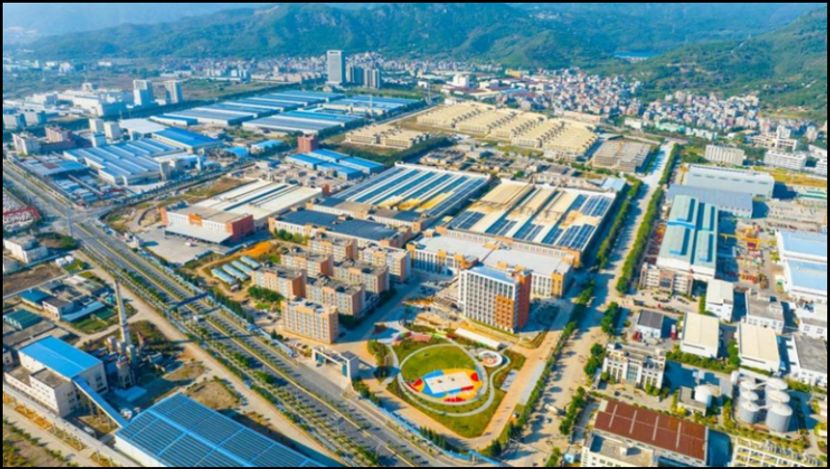
Problems and Solutions for the China-Indonesia "Two Countries, Twin Parks"
The China-Indonesia "Two Countries, Twin Parks" is a flagship project for high-quality Belt and Road cooperation, aligning with Indonesia's "Global Maritime Fulcrum" vision and the implementation of RCEP. Based on the Fuzhou Yuanhong Investment Zone and three industrial parks in Indonesia, it has formed a food processing-led industrial cluster, with bilateral economic and trade cooperation deepening continuously. The park relies on top-level design, infrastructure connectivity, and factor agglomeration for its construction: a vice-ministerial joint working mechanism and multi-level coordinated promotion system have been established; port, logistics, cold chain, and customs clearance facilities have been improved, building a sea-land-air-rail intermodal network; policies at the national, provincial, and municipal levels provide support, with

Nickel Ore Production Cut in Indonesia Affects Smelter Raw Material Supply
The Indonesian Nickel Miners Association (APNI) warns that with the reduction of nickel ore production quotas in 2026, domestic smelters will face a severe supply crisis of nickel ore. In its 2026 Work Plan and Budget (RKAB), the Ministry of Energy and Mineral Resources (ESDM) set the nickel ore production quota at 260 to 270 million tons, a sharp decrease from 379 million tons in 2025. The Secretary General of APNI stated that the actual demand for nickel ore from domestic smelters in 2026 is 380 to 400 million tons, creating a gap of approximately 130 million tons between quota and demand. To fill the gap
US Urges Indonesia to Limit Overcapacity of Chinese-Invested Smelters
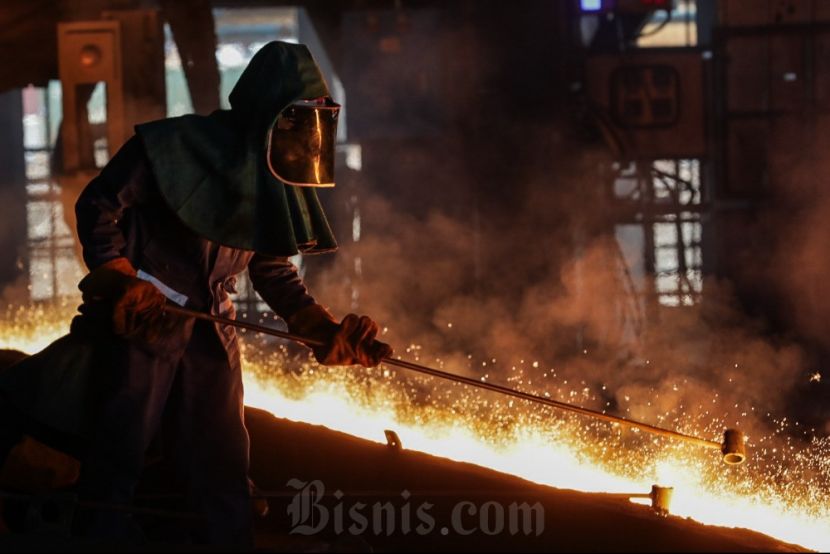
The United States is pushing Indonesia to limit overcapacity of foreign-invested smelters and ensure equal treatment of industrial park facilities, a move seen as targeting China's dominant investment in Indonesia's critical mineral refining sector. In the trade agreement related to reciprocal tariff reductions between the US and Indonesia, Indonesia has committed to limiting overcapacity of foreign-invested smelters (including nickel, cobalt, bauxite, etc.) and ensuring industrial parks comply with relevant regulations. The Head of the Industry, Trade, and Investment Center at the Institute for Development of Economics and Finance (Indef) stated that China has long dominated Indonesia's smelting and refining industry for critical minerals such as nickel, and the US is unwilling to see