
Indonesia Collaborates with US and Japan to Develop Modular Nuclear Power Plant
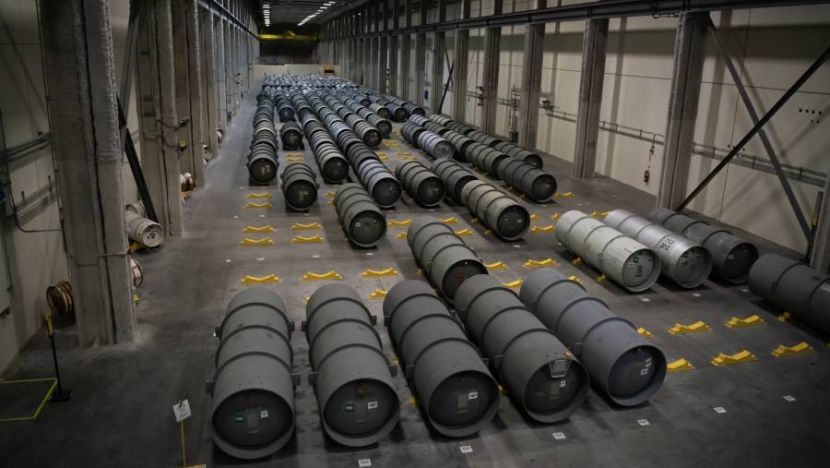
Indonesia has committed to cooperating with the United States and Japan to develop a Small Modular Reactor (SMR) nuclear power plant in West Kalimantan. This commitment has been included in the Indonesia-US Reciprocal Trade Agreement (ART) signed on February 19, 2026. Currently, Indonesia's state electricity company PLN has signed a Memorandum of Understanding with US-based NuScale Power for the West Kalimantan nuclear project and is conducting a feasibility study. The project will adopt a public-private partnership model, starting with engineering and design work, planning to build 2×75 MW small modular reactors, with flexible module capacities of 25, 50, 75, or 100 MW, ensuring easier safety assurance.
Indonesia Builds Multiple Green Eco-Industrial Parks

BYD's New Indonesian Factory Has Obtained Production Qualifications, Will Soon Begin Production

Indonesian Agarwood Priced Higher Than Gold, Widely Welcomed Overseas

Five Indonesian Listed Companies to Partner in Waste-to-Energy Development
Indonesia's Nickel Production Cut May Lead to Smelter Shutdowns, Changing Global Supply Landscape
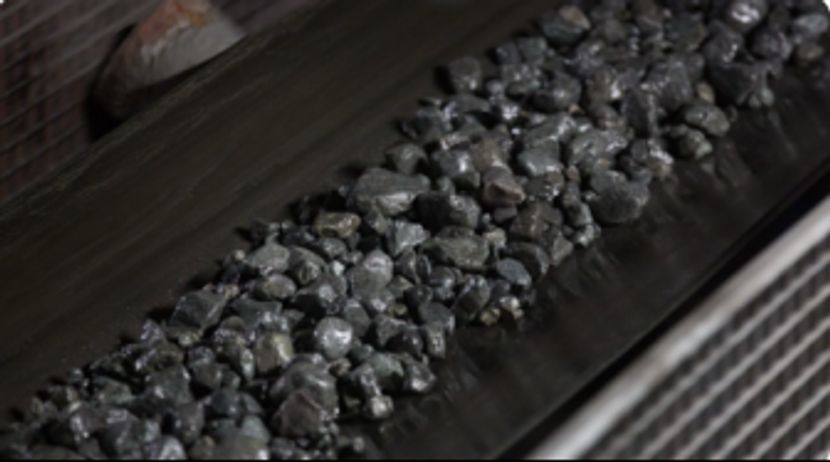
The reduction in the 2026 nickel mine production plan (RKAB) has pushed nickel prices back to US$17,000-18,000 per ton, compared to US$14,000-15,000 last year. A commodity analyst and founder of Traderindo pointed out that cutting the 2026 nickel production quota from 379 million tons in 2025 to 260-270 million tons could lead to raw material shortages for domestic smelters, forcing them to increase imports. He believes the government's move is to end the "era of cheap nickel" and transform Indonesia from a "production powerhouse" to a "price regulator."
Indonesia Pushes Domestic Tin Smelting and Processing
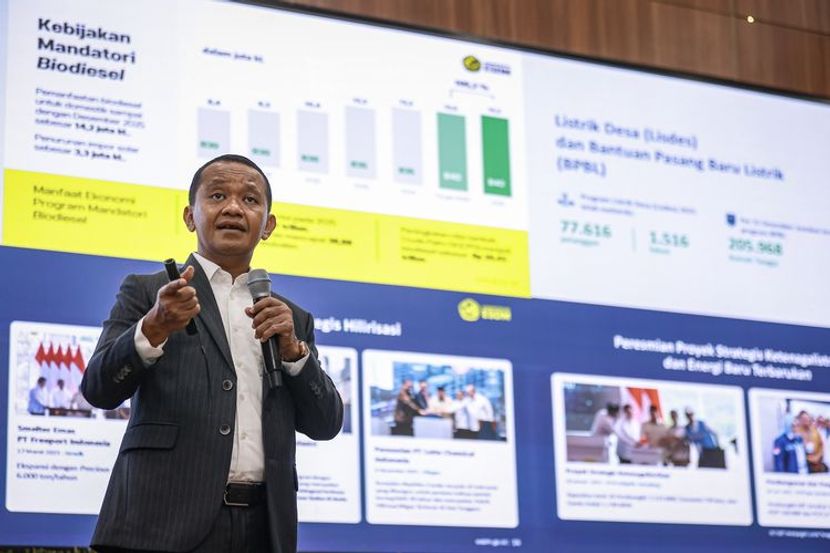
The Indonesian government is planning to stop tin exports to promote the development of the domestic mineral downstream processing industry. This is another important step in the "downstreaming" policy following the ban on bauxite exports. At the "Indonesia Economic Outlook" event on February 13, 2026, the Minister of Energy and Mineral Resources stated that after banning bauxite exports in 2025, the government will study stopping exports of various commodities including tin in 2026. The minister emphasized that exporting raw materials is no longer an option, and the focus must shift to building smelting and processing industries domestically to develop high value-added products.
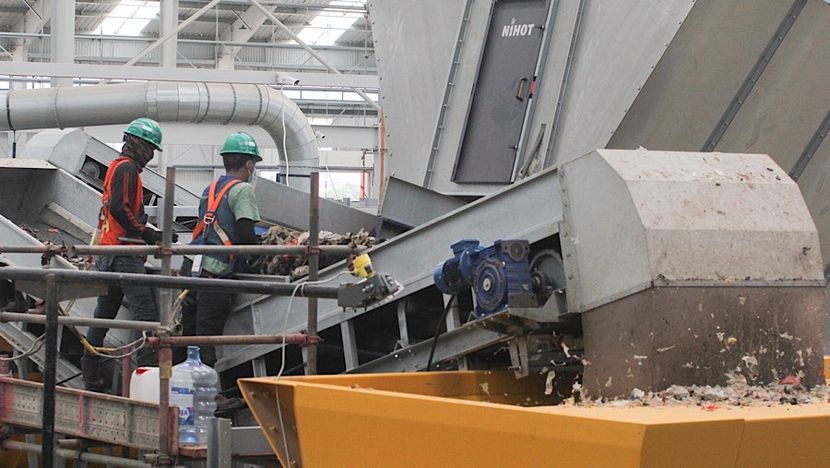
BPI Danantara Plans to Launch Phase II Tender for Waste-to-Energy Project Next Month
The CEO of BPI Danantara revealed after the "2026 Indonesia Economic Outlook" event that the company will launch the second phase of the tender for the Waste-to-Energy Plant (PLTSa) project around March 2026, targeting 12 cities. However, he emphasized that the Phase II tender announcement will only be officially released after the company completes the bid evaluation for the first four cities (Phase I tender) and determines the winning bidder. He disclosed that the first round of bid evaluation will comprehensively assess technical, financial, and technical proposals, and is expected to complete the final review and announce results by the end of February. Danantar

Huawei Helps Build Indonesia's First Liquid-Cooled EV Charging Station
Indonesia's first electric vehicle super charging station (SPKLU) equipped with a liquid cooling system has recently been established in the Science Park area of Summarecon Serpong, Tangerang City. The facility was built by Zora, a high-end charging brand under Mebi Company. It is Indonesia's first charging station to apply liquid cooling technology and also the first project in the country to implement power distribution charging technology, marking a significant milestone in the upgrade of Indonesia's electric vehicle infrastructure. The charging station adopts Huawei Digital Power's FusionCharge solution, with a maximum charging power of 400kW. The power distribution charging technology enables
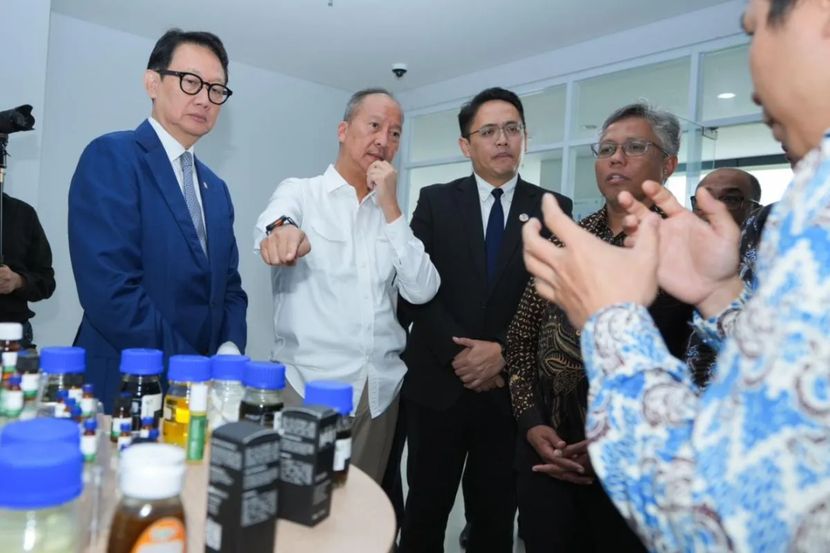
Indonesia Vigorously Develops Semiconductor Chip Industry
Indonesia is making every effort to seize the development opportunity of the semiconductor industry, positioning it as a high-value strategic industry to support economic growth. Facing rapid global technological development and surging demand for chips across various industries, the Indonesian government is not content with merely being a consumer market for electronic products. Instead, it is committed to upgrading its domestic industrial level and participating in the division of labor in the global semiconductor value chain. The Ministry of Industry has clearly stated that it will strengthen high-tech industries, including semiconductors, as an important foundation for industrial transformation and national technological independence. Semiconductors are regarded as the core support for key areas such as electronics, automotive, telecommunications, energy, and digital transformation. Without

BYD Electric Vehicles Become Local Government Official Vehicles
The Banjarmasin City Government in South Kalimantan Province has decided to use the BYD Atto 1 as official vehicles for local government departments and village heads. Through the 2026 local budget, 5 billion rupiah has been allocated to purchase 21 units of this pure electric vehicle, specifically for daily commuting by department heads and village heads. The Banjarmasin City Government announced the procurement plan via its official Instagram account and emphasized that this large-scale purchase is not for show but for long-term budget savings, and it is also an important step in implementing clean energy development. The city government stated that choosing pure electric vehicles as official vehicles is primarily because they do not require regular oil changes, spark plugs, and air filters, have fewer moving parts than fuel vehicles, and have lower maintenance costs.

Indonesia Builds Refinery Wastewater-to-Industrial Salt Project
PT Garam, a subsidiary of ID Food, plans to build a wastewater treatment plant in Balikpapan to process wastewater from the National Oil Company Refinery Development Master Plan (RDMP) into industrial salt. The project investment is 7 trillion rupiah, and construction is expected to start in April 2026. The company secretary of PT Garam stated that the brine from the boiler process at Pertamina's Balikpapan refinery was previously neutralized and discharged directly into the sea, while the plant uses seawater to meet boiler needs. This resource characteristic gives the wastewater-to-salt project huge development potential.