

Top Product Categories Favored by Indonesian Consumers During Ramadan 2026
During the 2026 Ramadan, household consumption in Indonesia is expected to grow, but the growth is more rational and selective. Beauty, Fast-Moving Consumer Goods (FMCG), and fashion have become the three most popular categories. InMobi research shows that 74% of consumers have increased their Ramadan spending budget compared to last year. Although purchasing power has not fully recovered, Ramadan remains a major consumption period for fulfilling functional needs. SIRCLO internal data indicates that online consumption activities peak in the two weeks before Ramadan, with the most searched categories being beauty & personal care, health care, and fashion.

Indonesian Cooperative Agricultural Products Continue to Be Exported to China

Indonesia Plans to Reduce Management Fees for E-commerce SMEs

New Waste Processing Plant in Depok, Indonesia to Ease Burden
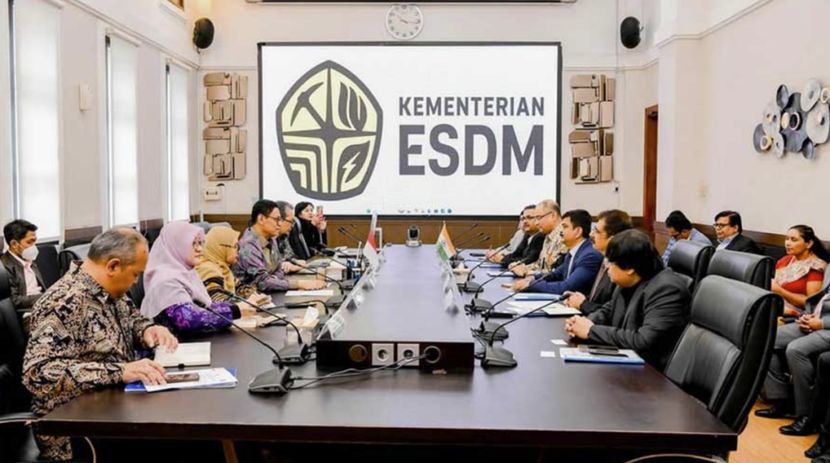
Indonesia and India Strengthen Cooperation in Mining and Steel Sectors
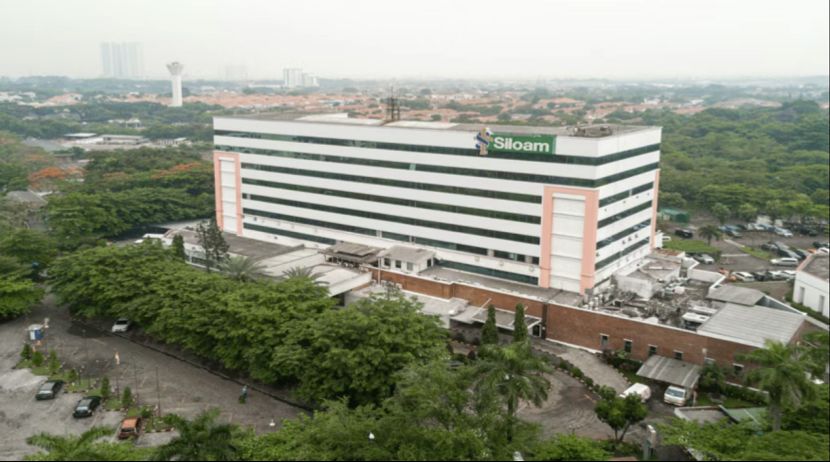
Chinese-funded Medical AI Company Makes First Landing in Indonesia's Healthcare Industry
With the deepening of "Artificial Intelligence +" and the "Belt and Road" initiative, medical AI has become an important field for China's technology going global. Shanghai-based SenseTime Medical, leveraging its hardcore technology to break geographical limitations, has launched its SenseCare® Chest X-ray Intelligent Analysis Solution in Indonesia, becoming China's first successful AI imaging inclusive solution to go overseas, injecting new momentum into the "Health Silk Road." Indonesia, as an important partner along the "Belt and Road," has long faced challenges of uneven distribution of medical resources and low efficiency of X-ray triage. The largest private medical group in the country, Siloam Ho
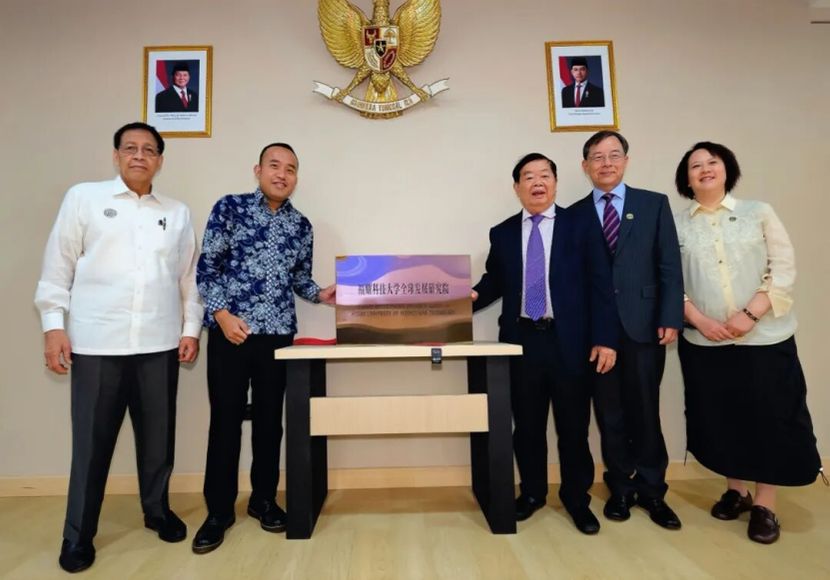
China-Indonesia University-Enterprise Cooperation to Build Development Research Platform
After the launch of the China-Indonesia "Two Countries, Twin Parks" Sci-Tech Innovation Center, Fuyao University of Science and Technology has made another important progress in international cooperation. Recently, the signing ceremony of the China-Indonesia "University-Business-University" (U-B-U) Cooperation Framework Agreement was held at the Ministry of Higher Education, Science and Technology of Indonesia, and the Global Development Research Institute of Fuyao University of Science and Technology was also inaugurated, becoming the university's first overseas independent institution. The ceremony was presided over by a vice-ministerial official from the Ministry of Higher Education, Science and Technology, and attended by Fuyao University of Science and Technology Chairman Cao Dewang, former Indonesian Foreign Minister, representatives from the Ministry of Manpower and the Ministry of Higher Education, the Education Counselor of the Chinese Embassy in Indonesia, as well as representatives from universities and enterprises from both China and Indonesia.

Chinese Enterprises Participate in Construction of Alumina Project Port in Indonesia
During the Chinese New Year, the supporting port project for the West Kalimantan Alumina Project in Indonesia, undertaken by China Construction Port Group, continued construction as normal. Workers remained at their posts, pushing forward the project with 'no break during Spring Festival,' demonstrating their commitment to the Belt and Road Initiative through practical action. As a key supporting project for Indonesia's aluminum industry upgrade, the project team seized the Spring Festival construction window, implementing zoned operations and shift work to ensure efficient coordination of processes. Technical personnel strictly controlled key aspects such as piling and component installation, strengthening quality and safety management; the logistics team coordinated the supply of steel, concrete, and other materials to ensure continuous construction.

Electric Vehicle Subsidies 'Weaned Off': Southeast Asia's Largest Auto Market Re-Enters Sino-Japanese Automaker Battle
After the Indonesian government terminated the nearly two-year electric vehicle import tariff exemption policy, the landscape of Southeast Asia's largest auto market is being reshaped. Chinese automakers, which had rapidly expanded with subsidies, now face price pressures but are proactively positioning themselves, engaging in fierce competition with Japanese brands that are counterattacking. The 2024 policy exempting EV import duties and luxury taxes expired at the end of 2025, putting Chinese automakers that relied on cost advantages under pressure first. BYD is expected to raise prices on multiple models starting March 2026, with some versions seeing increases of nearly 20%.

Chinese Enterprises Participate in Construction of Floating Solar Power Plant in Indonesia
The 100 MW AC Karangkates Floating Solar Power Plant at the Karangkates Reservoir in Malang, East Java, has officially commenced physical construction, marking a new phase in Indonesia's integration of renewable energy generation with existing water infrastructure. This project is also a key initiative for Indonesia to achieve its net-zero emission targets and green power development plans. The groundbreaking ceremony was held recently, attended by state-owned water utility company Perum Jasa Tirta I (PJT I), which operates the reservoir and supported the start of construction. The project is led by the State Electricity Company (PLN) Group, developed by PLN Nusantara Renewable Energy, SPIC Hong Kong Company, and PJT I through PT PLN Nusantara Karangkates. The president director of PJT I stated that the project reflects a significant shift in Indonesia's multi-purpose reservoir utilization, as the Karangkates Reservoir will continue its core water management functions while contributing to the national clean energy supply.

Indonesia's QR Code Payment to Launch in China by End of March
Bank Indonesia has announced that the cross-border payment project using the Indonesian Standard QR Code (QRIS) will officially launch between the end of March and early April 2026, with the first partner countries being China and South Korea. A deputy governor of Bank Indonesia stated that Indonesia has completed technical tests and sandbox verifications with the relevant regulatory authorities of both China and South Korea. The pilot test with China was completed at the end of January, and the test with South Korea ended in late February, with system security and smoothness meeting standards, pending official launch. In January 2026, QRIS transactions in Indonesia grew 131.4% year-on-year, maintaining rapid growth.
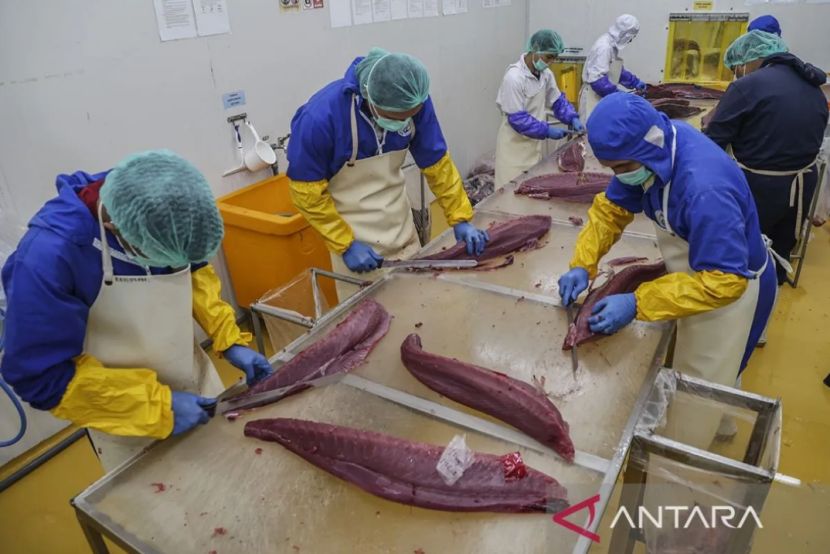
57 Indonesian Fish Processing Companies Obtain China Customs Approval for Fishery Exports
Indonesia's Ministry of Marine Affairs and Fisheries has expanded fishery export access through cooperation with relevant authorities in Turkey and China, securing export approval numbers for 57 fish processing companies. The head of Indonesia's Aquatic Quality Control and Supervision Agency officially announced in Jakarta that with these numbers, the 57 companies can legally export fish and processed aquatic products to Turkey and China. This approval was not merely a submission of a list but involved strict technical audits and questionnaire verifications to meet the specific official requirements of both Turkey and China. All companies hold HACCP (Hazard Analysis and Critical Control Points) certification and strictly implement hygiene and food safety standards.