
Indonesia Implements Electronic Certificate of Origin to Prevent Illegal Imports
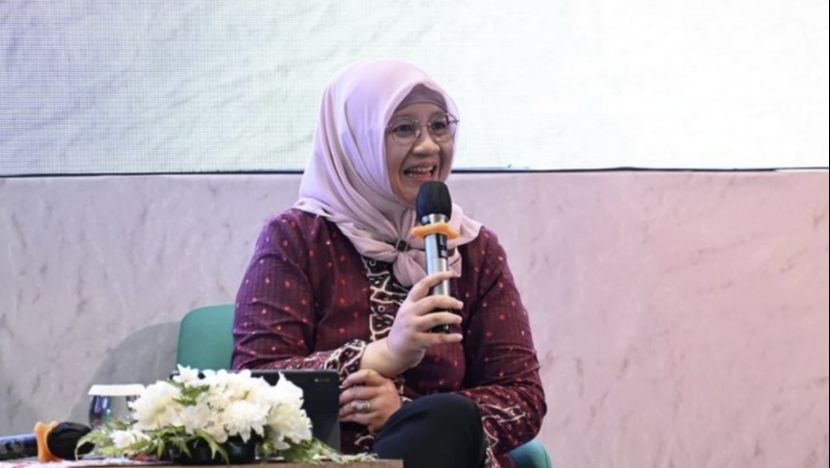
The Indonesian National Single Window Agency (LNSW) confirmed that its INSW system can effectively prevent illegal imports, with the key measure being the digitization of certificates of origin through electronic data interchange—i.e., electronic Certificates of Origin (e-COO). The head of LNSW stated at a media briefing in Central Jakarta that the system has been exchanging data with several ASEAN countries. Due to transparent and tamper-proof data transmission, fraud and abuse (such as altering information on quantities, types of goods, etc.) can be effectively eliminated, unlike in the past when manual submission of paper documents led to such issues.

Indonesia Plans to Cut Next Year's Coal Output to Maintain Prices

Huawei Promotes Digital Economy Development in Indonesia
Indonesian Government Warns Palm Oil Industry Against Illegal Tax Evasion

Deli Indonesia Factory Officially Breaks Ground

Luhut Says China's Contribution Is Huge, Deserving Special Treatment
The airport at the Morowali Industrial Park (IMIP) sparked热议 after the Defense Minister mentioned that "no state institutions are stationed there." Luhut, Chairman of the National Economic Council (DEN), recently disclosed the background of the airport's establishment. Luhut admitted that the IMIP airport was built based on decisions made during meetings he chaired with relevant agencies during his tenure as Coordinating Minister for Maritime and Investment (under former President Jokowi), serving as a convenience facility to attract investors, similar to practices in Vietnam and Thailand. The airport was built integrally with the IMIP industrial park (which hosts Chinese-invested projects) to initially secure investment for nickel downstream processing.
Indonesian Industry Calls for Crackdown on Upstream Importers of Used Clothing
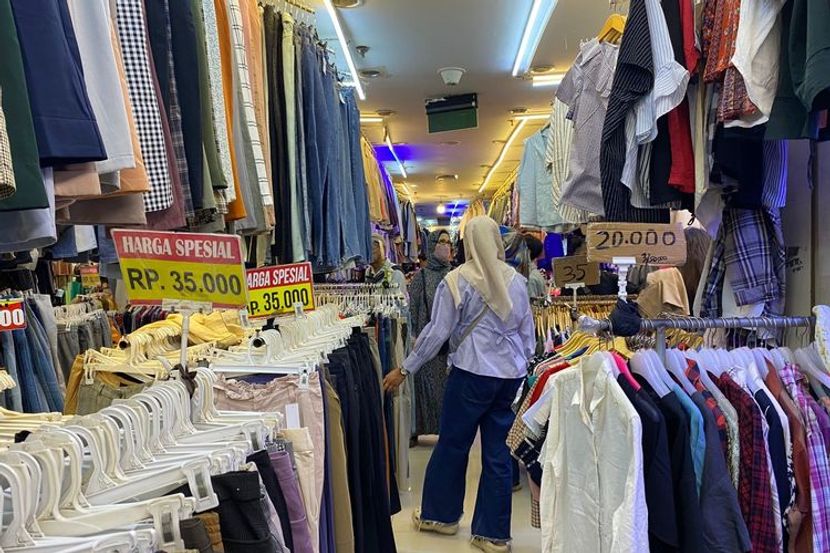
Regarding the issue of used clothing (thrifting) imports, the Finance Minister recently reiterated that the government will continue to crack down on illegal imports and rejected proposals to legalize such imports through taxation, emphasizing that the key lies in the legality of goods rather than taxes. However, public opinion questions whether current enforcement reaches the source, instead endangering the livelihoods of small traders at the grassroots level. Indonesia has long had regulations restricting the import of used clothing to protect consumer health and safety, and the 2020 Job Creation Law further strengthened related controls. However, enforcement often targets small traders in traditional markets, who only purchase goods from suppliers rather than directly engaging in imports, while upstream importers
Morowali and Weda Bay Airports Stripped of International Status
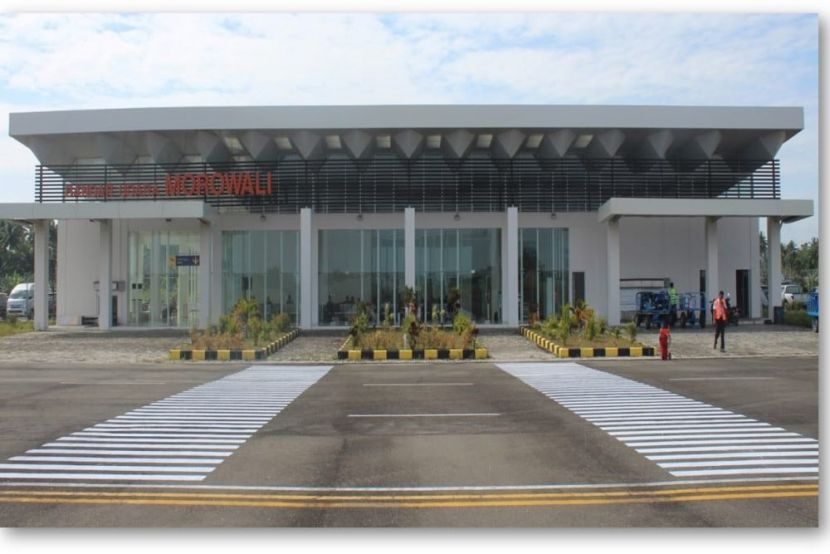
The Ministry of Transportation, through Ministerial Decree Number 55 of 2025, has revoked the international status of the Morowali Industrial Park (IMIP) Airport and the Weda Bay Airport in Central Halmahera, North Maluku Province. The decree was signed by the Minister of Transportation on October 13, 2025, and announced on November 28, 2025. Upon the new regulation coming into effect, Ministerial Decree Number 38 of 2025 (which designated IMIP, Weda Bay, and Sultan Syarief Haroen Setia Negara Airport in Pelalawan, Riau Province as temporary limited international airports), issued on August 8, 2025, was repealed.

BYD Leads Chinese Companies into Indonesia's Top Three Automotive Market Rankings
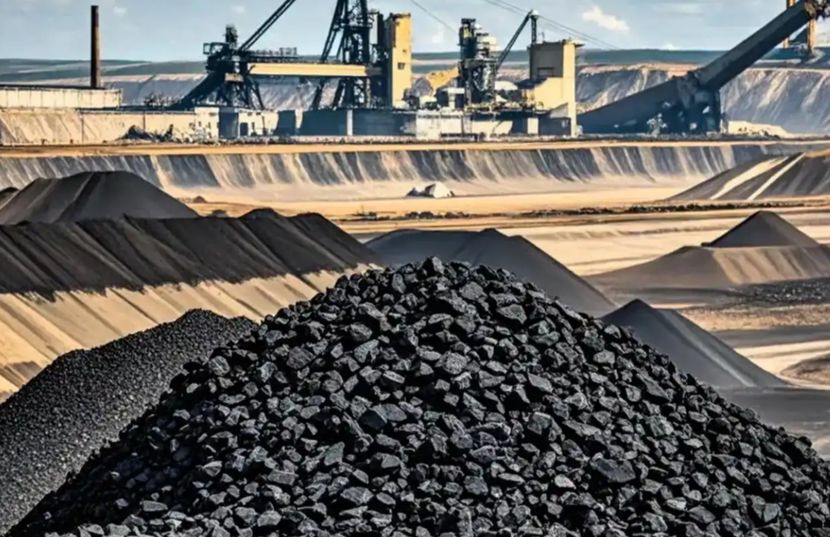
Decoding Indonesia's Mining Giant MIND ID: From State-Owned Enterprise to Mining Leader
In the landscape of Indonesia's mining industry, MIND ID is no longer just a state-owned enterprise symbol but the "Chief Commander" controlling core resources such as nickel, copper, gold, and tin, orchestrating the layout and pace of the entire industry. How did this platform enterprise, officially named PT Mineral Industri Indonesia (Persero), rise to prominence? And what advantages does it hold? A set of core data and key milestones suffice to outline its formidable strength. 1. From a Single Aluminum Company to a Mining Hub: The Path of the "Chief Commander"
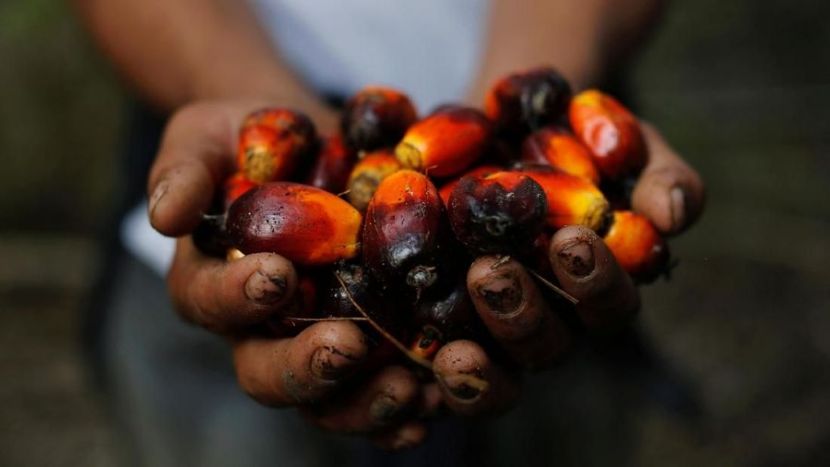
11 Billionaires Involved in Indonesia's Palm Oil Industry
As the world's largest palm oil producer, Indonesia has fostered many billionaires who have risen through this industry. The following is a compilation based on Forbes rankings and related sources: 1. Martua Sitorus: Co-founded Wilmar in 1991, once owned the world's largest palm oil plantation (232,000 hectares, 65% in Indonesia), known as the "King of Indonesia's Palm Oil". Fully exited in 2018, now has a wealth of US$3.6 billion. 2. Anthoni Salim: Expanded palm oil business through Indofood Agri and other companies, ranked 5th richest in Indonesia by Forbes 2024, with wealth of US$12.8 billion.
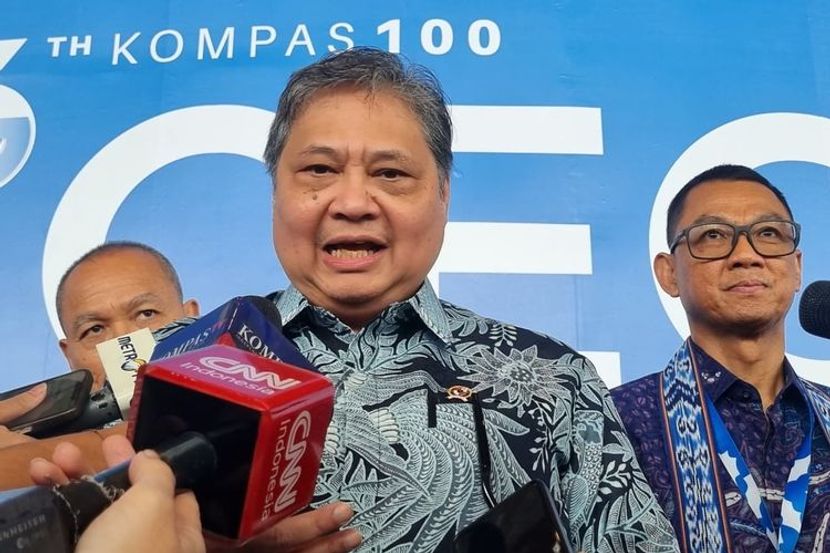
China and Indonesia Reach a Series of Strategic Cooperation Agreements
The Coordinating Minister for Economic Affairs recently reported on the achievements of strategic cooperation with China. The two sides signed Memorandums of Understanding involving strategic industrial projects with a total investment of IDR 36.4 trillion. The projects will be located in the previously activated Batang Industrial Zone. The cooperation covers an annual production of one million tons of steel, meat and seafood processing, nickel-iron trade, high-end textile R&D, coal, textile raw materials, tea and jasmine industry cooperation, as well as direct sourcing of agricultural products such as coconut and durian. He stated that the government will maintain economic growth stability by accelerating national spending at the end of 2025, including priority social and infrastructure projects. Currently, ministry and agency