
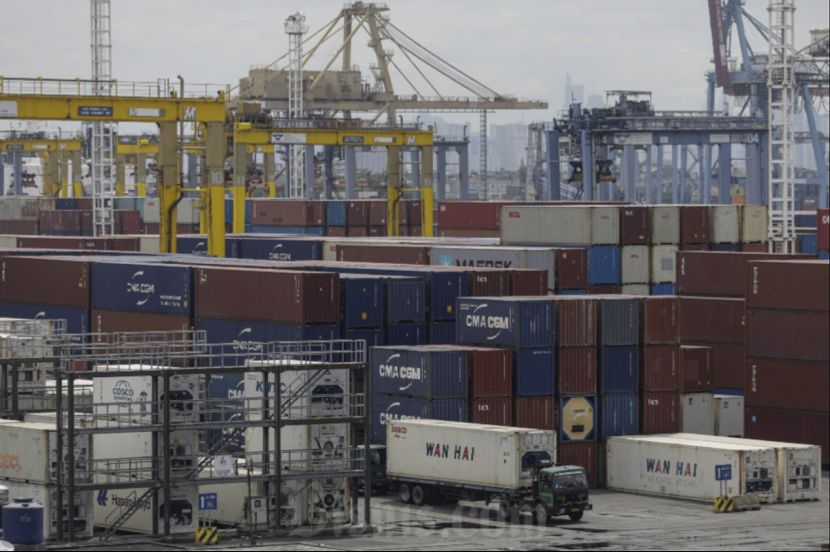
Indonesia Plans to Restrict Imports of Cheap Chinese Goods
The Minister of Cooperatives and Small and Medium Enterprises recently stated that the government is studying regulations to restrict imports of ultra-cheap Chinese goods to protect domestic market competition. These goods are sold for only 3,000-4,000 rupiah (about 1.4-1.8 RMB), severely impacting local producers. The government is considering establishing a minimum price mechanism for imported goods, with specific plans still under development. The ministry also summoned e-commerce platforms such as Shopee, TikTok Shop by Tokopedia, and Lazada, demanding immediate rectification of illegal imports of second-hand clothing (th
Danantara to Complete Investment Studies for Battery and Other Projects in December
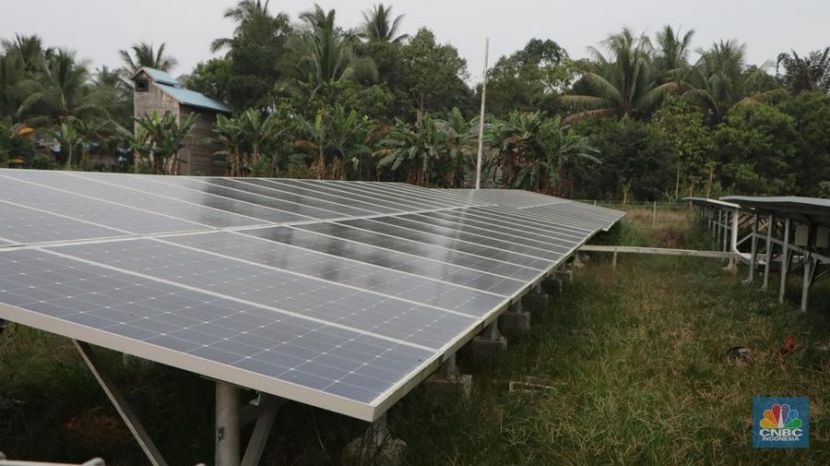
Indonesia Launches Rural Solar Power Plant Plan
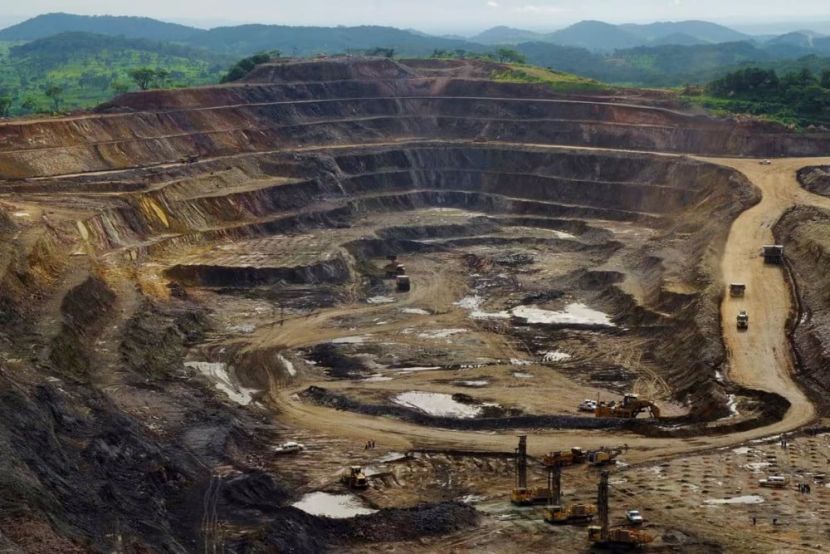
Global Copper Supply Shortage May Occur in 2028
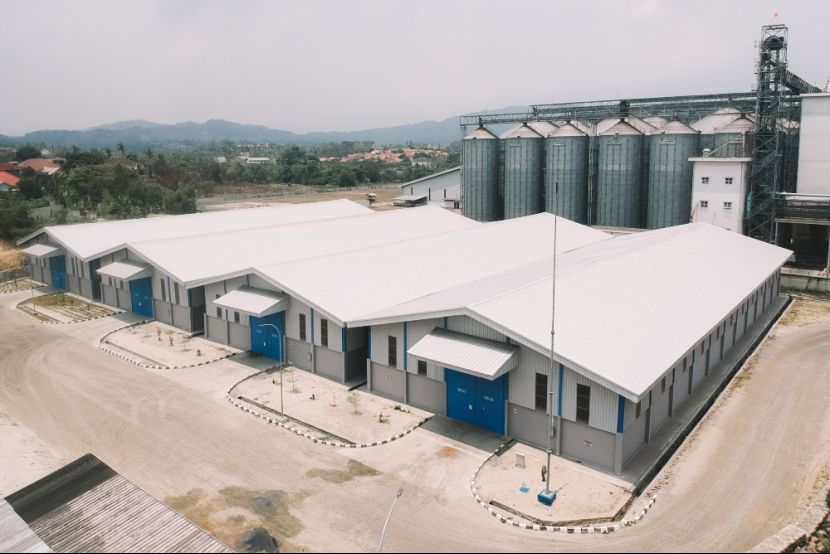
Chinese Engineering Company Officially Enters Indonesian Industrial Zone
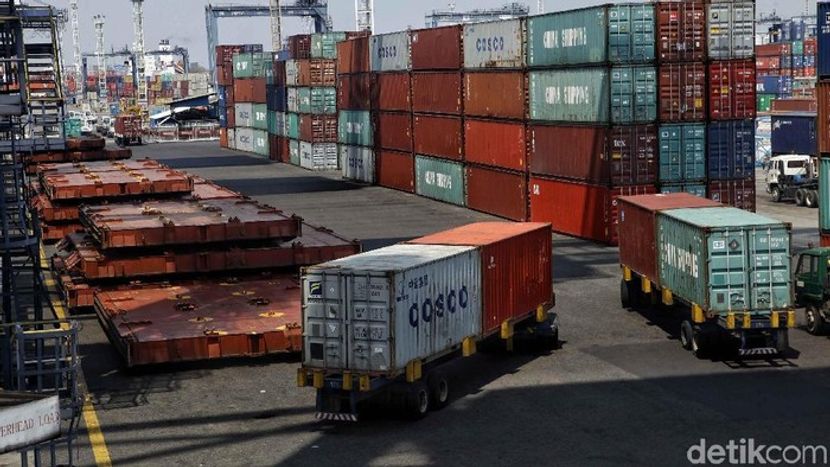
Indonesia's Trade Surplus Maintains Growth for 65 Consecutive Months
According to the Central Bureau of Statistics (BPS) report, Indonesia's trade surplus reached $4.34 billion in September 2025, marking a record of 65 consecutive months of surplus since May 2020. This achievement is mainly attributed to the strong performance of non-oil and gas commodities. Non-oil and gas goods contributed a surplus of $5.99 billion, driven primarily by animal and vegetable fats and oils, mineral fuels, and steel products. Conversely, oil and gas commodities recorded a deficit of $1.64 billion, mainly due to imports of crude oil and petroleum products. From January to September 2025, the cumulative surplus reached $33.48 billion.
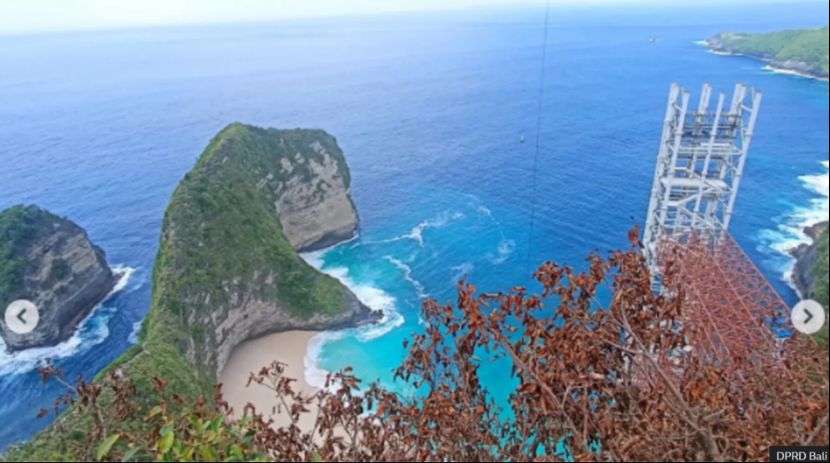
Bali Halts Cliff Glass Elevator Project Invested by Chinese Company
Due to environmental controversy, Bali authorities have suspended the 182-meter-high cliff glass elevator project built by Chinese developer China Kais Group at Kelingking Beach. The elevator was originally planned to facilitate tourists' access to the beach, but photos of the elevator shaft cutting into the iconic T-Rex-shaped cliff (nicknamed "T-Rex Cliff") went viral on social media, angering locals and tourists who believe it damages natural beauty and accelerates erosion. Authorities also found that the project did not obtain necessary permits. Local residents and netizens expressed dissatisfaction, arguing that tourists come to Bali to enjoy the natural environment, not an elevator. Bali lawmakers have consistently opposed the project, citing excessive risks. The duration of the suspension is unclear. Some have called on authorities to repair the stairs connecting the cliff and the beach instead of pushing forward with such "vanity projects."

Indonesia's Refractory Materials Industry Becomes a New Engine for Economic Growth
The Chairman of the Indonesian Refractory and Insulation Materials Association (ASRINDO) recently stated that the domestic refractory materials industry will become a catalyst for national industrial growth, supporting President Prabowo's target of 8% economic growth by 2029. This industry plays a key role by supporting the production processes of basic industries such as cement, glass, and ceramics.\r\n\r\nAt an industry matching conference held in Bandung, he pointed out that the refractory materials industry has four major advantages: just-in-time supply, on-time delivery, comprehensive after-sales service, and increasing domestic capacity utilization from the current 30% to 70-80%.
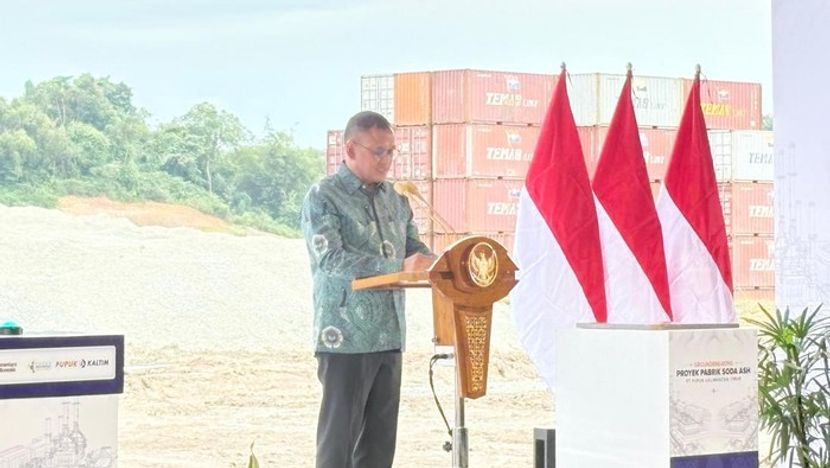
Indonesia Invests IDR 5 Trillion to Build First Soda Ash Plant
Indonesia has officially started construction of its first soda ash plant in the Bangtang City Industrial Area, East Kalimantan. The project has an investment of IDR 5 trillion, covers 16 hectares, is expected to create 800 jobs, and is scheduled to be completed and operational by March 2028. The President of PT Pupuk Indonesia stated that this project ends Indonesia's 30-year history of not being able to produce soda ash domestically. Currently, Indonesia imports 1 million tons of soda ash annually, with demand growing at a rate of 5-6% per year.\r\n\r\nThe new plant will produce 300,000 tons of soda ash per year, replacing 30% of import demand, and also 300,000 tons of ammonium chloride annually.
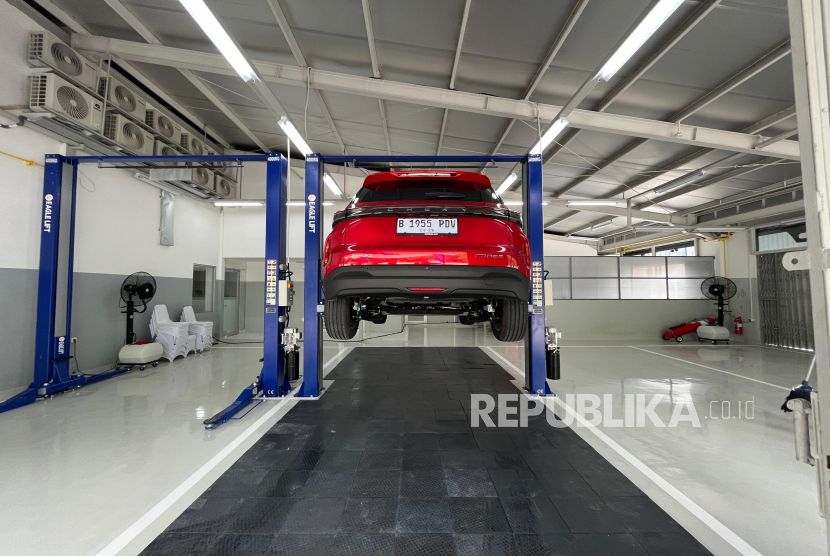
Japanese Auto Dealers Switch to Distributing Chinese Brands
The Indonesian automotive market has recently seen significant changes: Under the strong impact of Chinese car brands, many former Honda and Mitsubishi dealers have been forced to change their brand logos and switch to selling Chinese brands such as Chery and BYD. An automotive observer from Bandung Institute of Technology pointed out that Chinese brands are challenging the long-dominant market position of Japanese brands with more competitive prices, advanced technical features, and innovative designs.\r\n\r\nSpecific cases include: Honda dealers in Surabaya Jemursari, Bandung Pasteur, Bekasi Triputra and BSD Trimegah have closed

Chery Predicts Only a Few Brands Will Survive in Indonesia's Auto Market
As interest in electric vehicles grows in Indonesia, market competition is becoming increasingly fierce. Over the past five years, more than 10 new brands have entered the market, most of which are from China, including Wuling, Dongfeng Sokon, Hyundai, Chery, Neta, BYD, and others. However, the Chief Operating Officer of Chery Indonesia Sales Company predicts that only a few brands will truly survive in the coming years. He pointed out that there are currently 10-15 Chinese auto brands in Indonesia, but in five to ten years, there may be fewer than 10 major players left, including Chinese, Japanese, and other national brands. He believes this phenomenon is similar to

Indonesian Hospitality Industry Becomes Hot Target for Foreign Investors
Indonesia's hospitality and hotel industry has become a hot target for foreign investors in the post-pandemic era, with investment transaction volume expected to reach nearly USD 150 million (approximately IDR 2.4 trillion) by 2026. This growth is driven by Indonesia's strong macroeconomic fundamentals and continuously improving infrastructure, which have strengthened global investors' confidence in Indonesia's tourism prospects. Investment interest is mainly concentrated in two core markets: Bali and Jakarta. Bali has performed strongly in the luxury hotel market, even surpassing other regional destinations such as Phuket and Koh Samui in Thailand; while Jakarta, as the main entry gateway