
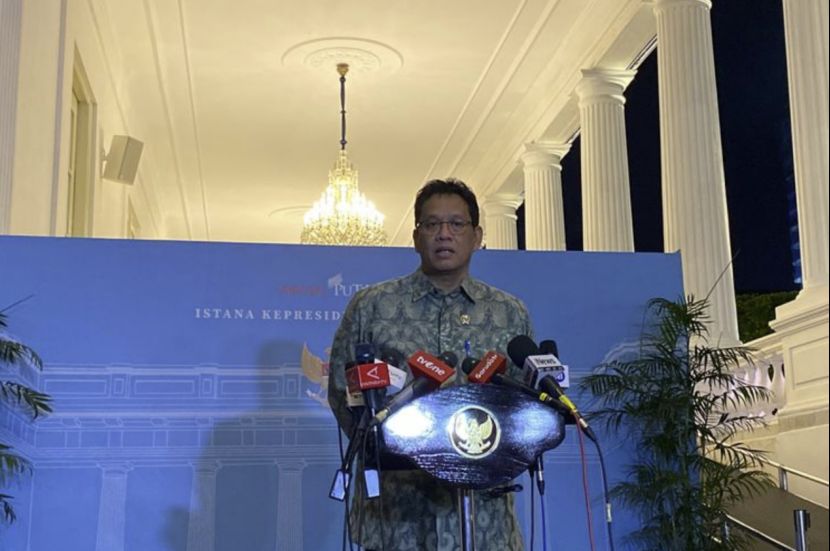
Indonesia Plans USD Deposit Incentives to Attract Remittances Back
The Finance Minister recently announced that within a month, targeted incentive policies will be introduced to encourage Indonesian citizens abroad to transfer their USD deposits back to the domestic banking system. This policy is part of President Prabowo's economic strategy and is expected to attract billions of USD in overseas deposits, supplementing the country's foreign exchange reserves (currently around USD 138 billion). The government plans to offer tax breaks and interest rate incentives, simplify cross-border transfer procedures, and prioritize USD financing for strategic projects. The relevant policies will enhance commercial banks' USD liquidity (current loan-to-deposit ratio at 92%), reduce the government's foreign debt financing costs (approximately USD 24 billion in foreign debt maturing in 2026
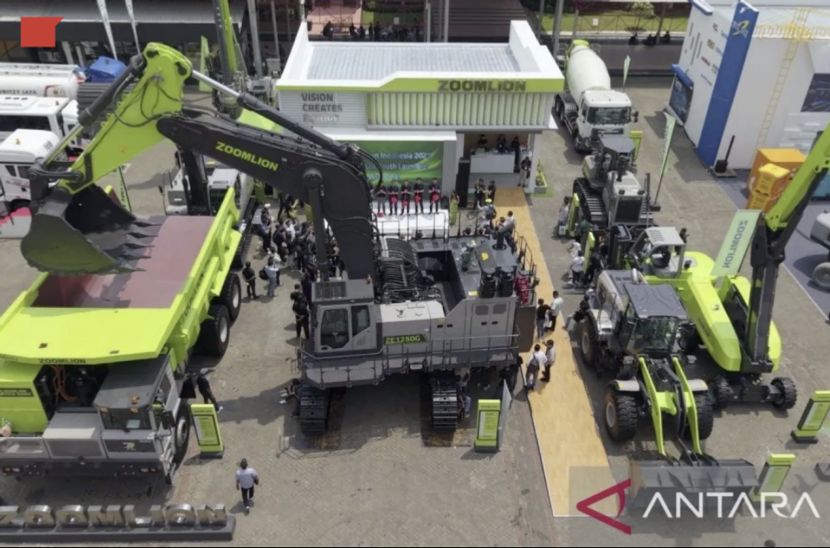
Chinese Heavy Machinery Company Secures IDR 4.5 Trillion Order in Indonesia
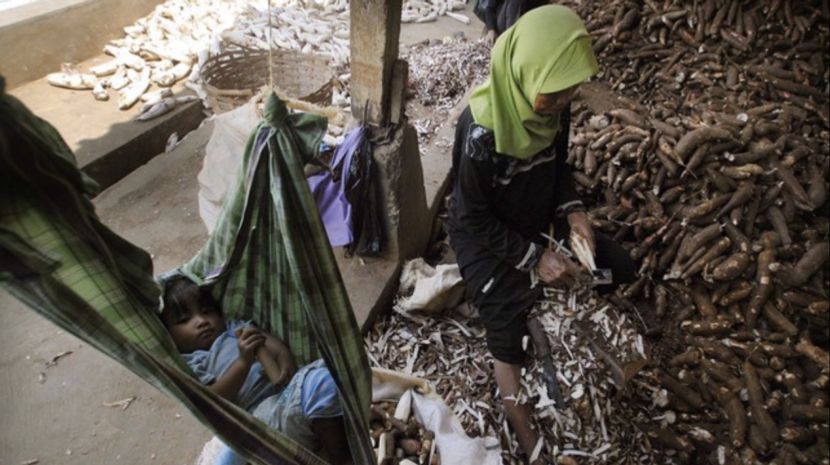
Indonesia Restricts Cassava and Ethanol Imports to Protect Farmers' Interests
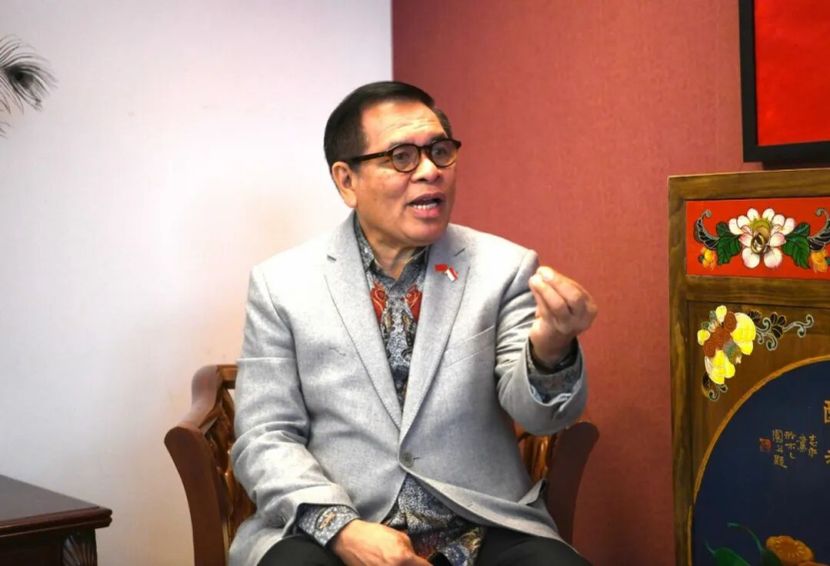
Indonesian Ambassador Says China-Indonesia Economic and Trade Cooperation Has Bright Prospects
Chinese Companies Acquire Shares in Indonesian Listed Companies, Causing Stock Surge
Indonesia Confiscates 148 Hectares of Land from Weda Bay Nickel Mine
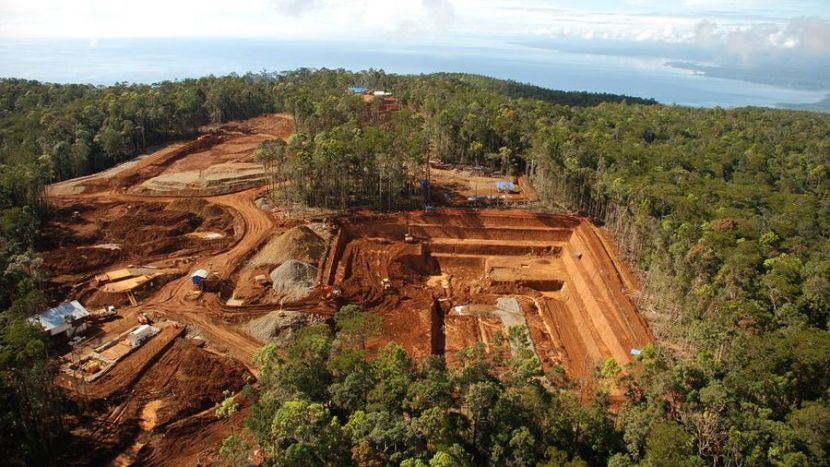
The Ministry of Energy and Mineral Resources (ESDM) confiscated 148.25 hectares of mining area belonging to PT Weda Bay Nickel (WBN) on Halmahera Island, North Maluku Province. Although the mining area holds a mining permit, it did not obtain a Forest Borrow-Use Permit (IPPKH); at the same time, 172.82 hectares of nickel mining area belonging to PT Tonia Mitra Sejahtera (2.93% of its total mining area) was also confiscated. The company's shareholding structure is: China's Tsingshan Holding Group (51.3%), France's Eramet (37.
Indonesia to Become World's Largest Geothermal Energy Producer within 5 Years
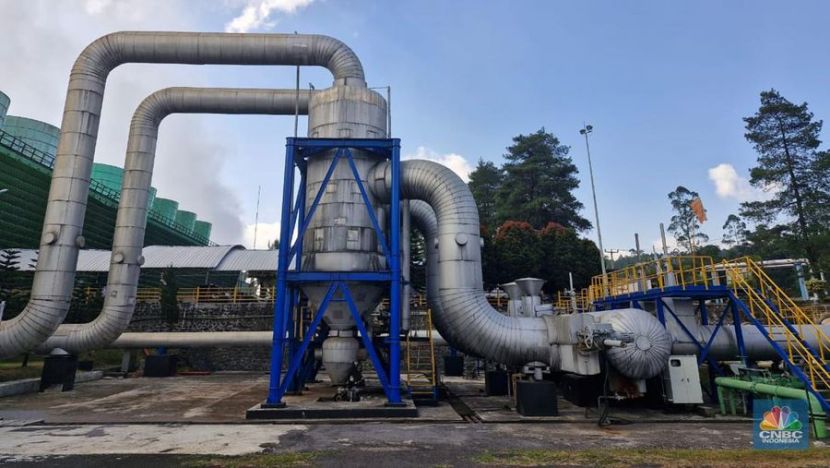
The Ministry of Energy and Mineral Resources recently announced its target to surpass the United States as the world's largest user of geothermal energy within 5 years. Currently, Indonesia's geothermal power installed capacity is 2.71 GW, ranking second globally; while the US ranks first with 3.6 GW installed capacity. The short-term target is to add 1 GW of installed capacity within 5 years, reaching a total of 3.71 GW to overtake the US; the long-term 10-year target is to increase total installed capacity to 5.2 GW (based on the 2025-2034 Electricity Supply General Plan). The government has shortened the development permit process for Geothermal Working Areas (WK
Indonesia's Waste-to-Energy Projects Face Financial and Technical Challenges
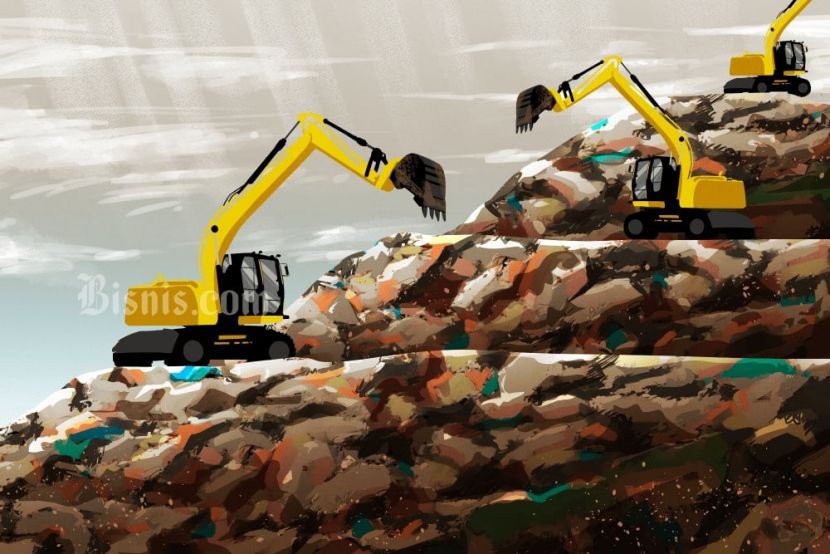
The Indonesian government plans to build waste-to-energy (WtE) plants in 33 provinces nationwide to address urban waste issues and increase green energy supply. The total investment for this project is estimated at 300 trillion rupiah, with funding primarily coming from the state investment management agency (Danantara). The Coordinating Minister for Economic Affairs confirmed the project will be fully funded by Danantara, though the Finance Minister previously stated it might use the state budget (APBN). Additionally, local governments must provide land and ensure a 20-year waste supply. The current waste treatment rate is only 60%, with 40% still being discarded indiscriminately; 70% of Indonesia's waste is high-moisture organic waste requiring pretreatment, increasing costs; meanwhile, waste-to-energy generation costs (5–13 million USD per plant) are higher than solar/hydroelectric power. UGM scholars point out that if waste management responsibility is shifted to developers, it will become economically unfeasible; IESR emphasizes that dozens of facilities must be built simultaneously to achieve the 2029 'zero waste' target; Celios notes that waste sorting and transportation costs may drive up electricity prices. The government is currently revising presidential regulations, aiming to abolish waste processing fees paid by local governments and have developers assume the risk instead. Analysts believe that if poorly planned, this project could become a new financial burden on the state.
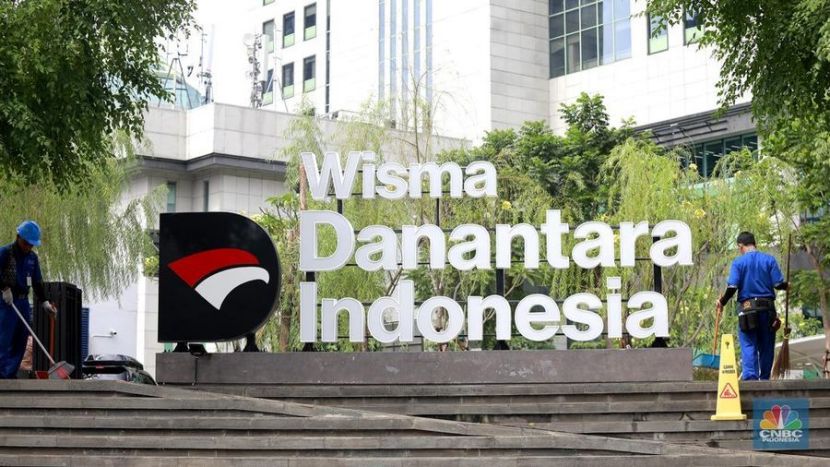
Indonesian Investment Agency Danantara Plans to Invest in Vale Nickel Processing Project
Indonesia's state investment management agency Danantara is considering investing in three high-pressure acid leach (HPAL) smelter projects of PT Vale Indonesia (INCO). These projects are located in Pomalaa, Southeast Sulawesi; Morowali, Central Sulawesi; and Sorowako, South Sulawesi, primarily producing raw materials for electric vehicle batteries. The Pomalaa project has already partnered with Huayou Cobalt and Ford Motor Company, leveraging experience from existing smelters to improve project quality. Vale Indonesi
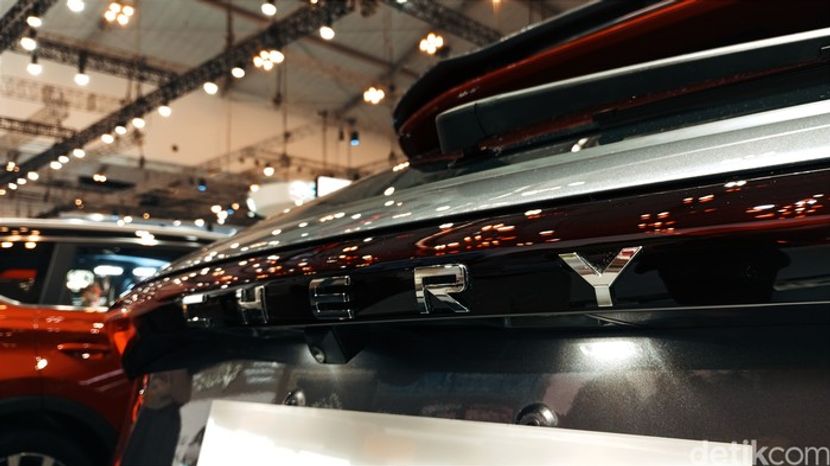
China's Three Major Automotive Brands Enter Top 10 in Indonesian Car Market August Sales
According to data from the Indonesian Automotive Industry Association (Gaikindo), Chinese automotive brands have performed remarkably in the Indonesian market, with BYD, Wuling, and Chery entering the top 10 in August sales. BYD ranked sixth with 2,746 units sold (all-electric models); Wuling ranked ninth with 1,546 units (including fuel and hybrid models); and Chery ranked tenth with 1,485 units. Reasons for outstanding sales performance include: Chinese electric vehicle prices are comparable to traditional fuel vehicles; BYD focuses on pure electric while Wuling and Chery offer diversified choices; the three brands together account for 8.6% of the Indonesian market share (as of August 2025).

Chinese Investor Deported for Illegally Trading Palm Oil Fruits
The Kotabumi Immigration Office in Lampung Province recently deported a Chinese investor working for a local company. He was found to have illegally engaged in private trading of palm oil fruits while the company was suspended. He held a company investment residence permit (limited to business visits and investment activities), but an investigation revealed that he conducted palm oil fruit trading during the company's shutdown from July to August 2025. The local immigration office had earlier received public reports. The immigration intelligence team confirmed that the company had been suspended for two months, subsequently issued a deportation order, and repatriated him via Jakarta's Soekarno-Hatta Airport. The immigration

Indonesia to Import 1.4 Million Kiloliters of US Fuel in Exchange for Tariff Reductions
The Indonesian government announced plans to import 1.4 million kiloliters of fuel from the United States to meet the needs of state oil company Pertamina and private gas stations, while fulfilling trade agreements with the US. The total import volume is 1.4 million kiloliters (covering Pertamina and private sector demand). This is also a condition for the US to reduce tariffs on Indonesian goods (from 32% to 19%). The US previously required Indonesia not to impose tariffs on US exports; purchase US$15 billion worth of US energy products (approximately IDR 244 trillion), procure US$4.5 billion in agricultural products (approximately ID