
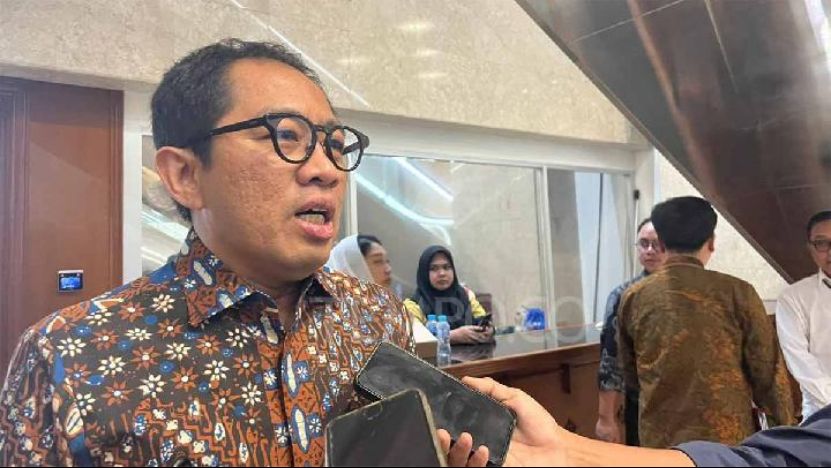
Indonesia to Impose Anti-Dumping Measures on Chinese Imported Goods
The Vice Minister of Industry recently stated that the government will implement anti-dumping or safeguard measures at border areas to prevent a massive influx of Chinese imported products. The core goal is to block Chinese products from entering the Indonesian market, avoid disruption to the local market, and protect domestic industries. Due to the China-US trade negotiations in Geneva, Switzerland, the US imposed a 30% tariff on Chinese products, and China imposed a 10% tariff on US products. Chinese products facing barriers to the US market may be diverted to Indonesia. In June 2025, Indonesia's Purchasing Managers' Index fell by 0.5%, with the manufacturing sector still in contraction, mainly due to weak new export orders, global market sentiment and trade policy uncertainties, and political dynamics. From January to April 2025, Indonesia's imports of textiles and textile products increased by 8.84%, and footwear imports rose by 30.89%. Indonesia has a high dependence on Chinese steel and aluminum imports, with steel imports accounting for 51.41% (approximately US$2.17 billion) and aluminum imports accounting for 46.1% (approximately US$1 billion). China may shift steel and aluminum products to Indonesia. The government will use anti-dumping or safeguard mechanism instruments to intensively monitor the dynamics of steel and aluminum products at border areas, in order to quickly respond to abnormal import surges and protect domestic production.
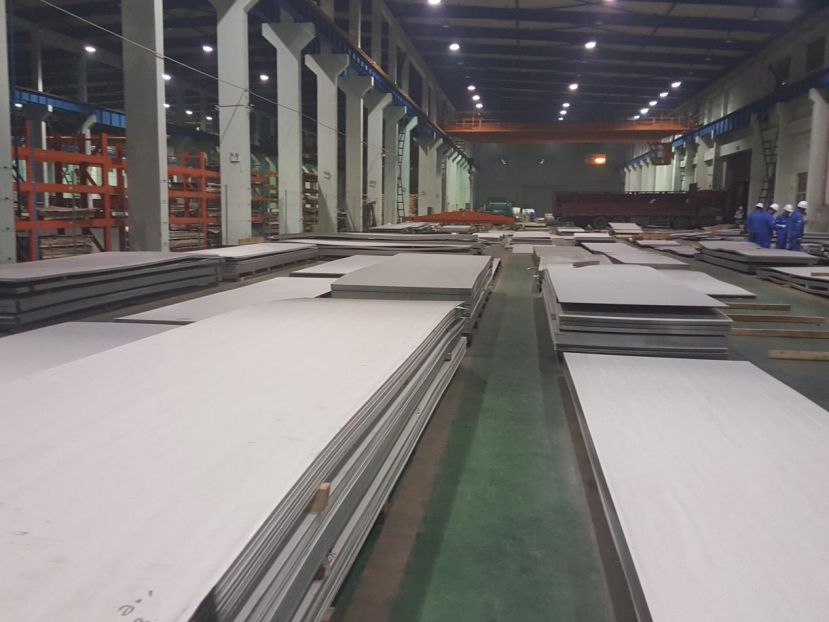
China Imposes Anti-Dumping Duties on Stainless Steel Imports from Indonesia
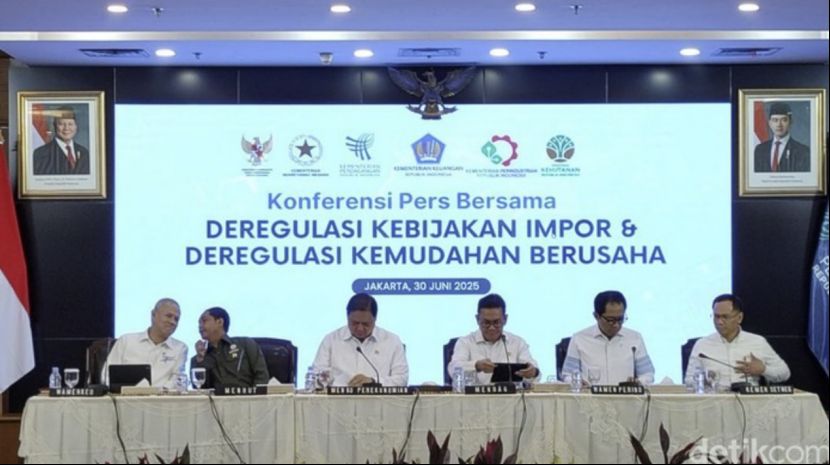
Indonesia relaxes import restrictions on ten categories of goods
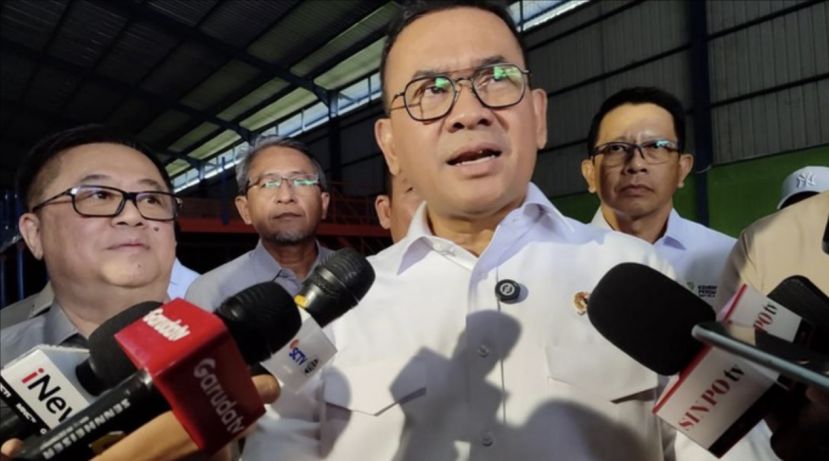
Indonesia Exempts Synthetic Fiber from China from Anti-Dumping Duties
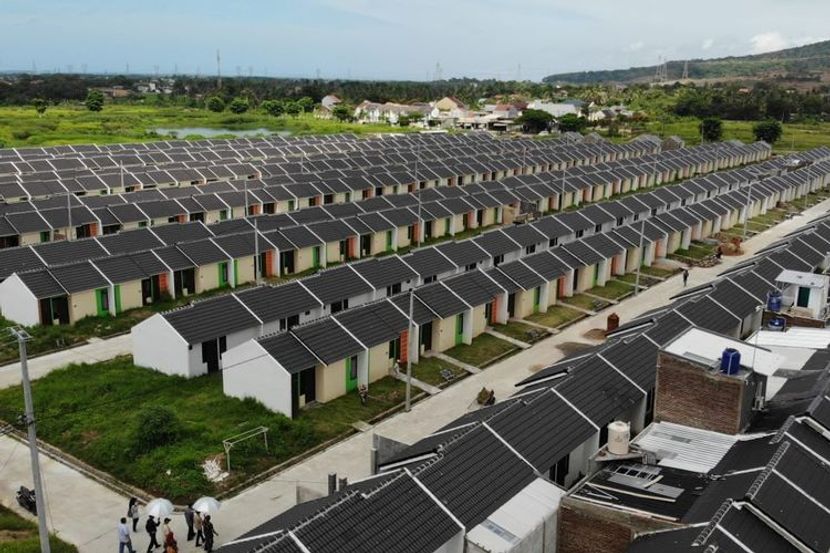
Indonesia Offers 24 Housing Projects to Investors
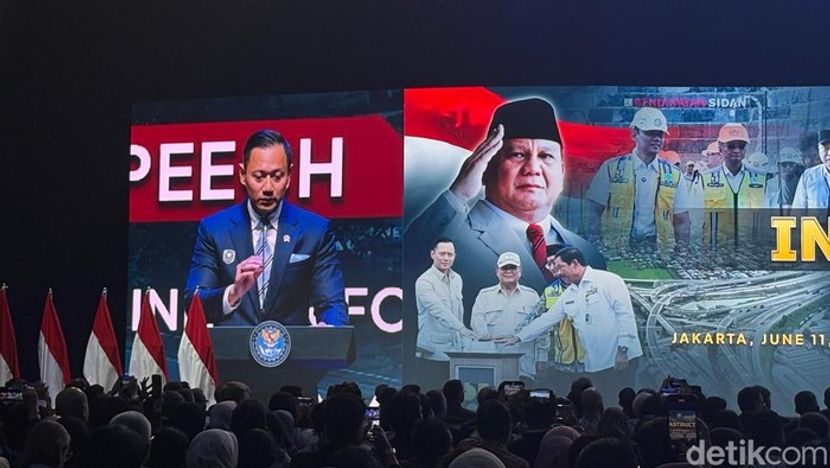
Indonesia Offers 46 Trillion-Rupiah Projects to Foreign Investors
Indonesia plans to offer 46 trillion-rupiah projects to foreign investors, covering areas from Blok M to Karawang. The Coordinating Ministry for Infrastructure and Regional Development recently held an International Infrastructure Conference in Jakarta, aiming to establish an international infrastructure investment forum to facilitate business networking and cooperation discussions between domestic and foreign stakeholders (including investors from Europe and Asia). The 46 key projects span sectors such as highways, railways, airports, housing, and water resources, including the Gilimanuk-Mengwi Highway Project valued at 25.4 trillion rupiah;
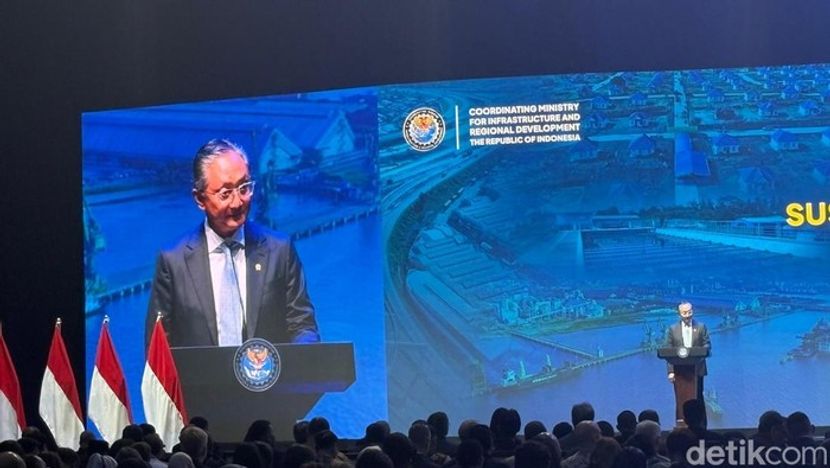
Indonesian Ministry of Public Works Launches 9 Major Projects Worth IDR 90.21 Trillion
At the International Infrastructure Conference (ICI), the Minister of Public Works presented 9 projects to investors with a total value of IDR 90.21 trillion. Among them, 5 water resource projects are valued at IDR 657.18 billion, including a 5.4 MW mini hydro power plant (PLTM) at Way Sekampung Dam, a 3.32 MW PLTM at Tapin Dam, a 7.4 MW PLTM at Leuwikeris Dam, a 3 MW PLTM at Cipanas Dam, and a 4.32 MW PLTM at Karalloe Dam. 3

Indonesia Offers Multiple Tax Incentives for Chinese Investors
PT QMB New Energy Material, a subsidiary of Chinese renewable resources company GEM Co., Ltd., invested in Morowali, Indonesia, and received a 10-year corporate income tax (PPh) exemption plus a 50% PPh reduction for 2 years. The company is jointly held by several well-known enterprises and has also partnered with the Indonesian Institute of Technology for nickel research and development. Due to the tax exemption period, the company did not utilize the super tax deduction policy. Additionally, GEM plans to build an international green industrial park in Morowali, with an estimated investment of US$8 billion. The Vice Chairman of the Investment Coordinating Board stated that the government attracts foreign investment by offering various incentives such as tax holidays and tax allowances to enhance national competitiveness and encourage companies to conduct training and R&D. Tax holidays provide 100% corporate income tax relief for 5-20 years for new investments of at least IDR 50 billion (approximately US$335,000), with some companies eligible for an additional 50% reduction. For investments between IDR 10-50 billion, a 50% corporate income tax reduction for 5 years plus an additional 25% reduction for 2 years is offered. Tax allowances include a gross income reduction of up to 30% of the original value of fixed assets for specific industries or regions, accelerated depreciation and amortization, reduction of dividend income tax to 10% or lower, and extended loss carryforward periods. Furthermore, companies using a certain percentage of local machinery may enjoy duty-free imports of machinery, educational enterprises can benefit from up to 200% super tax deductions on educational activity costs, and labor-intensive industries and R&D activities also have corresponding tax incentives. Indonesia also has 25 special economic zones offering additional benefits such as import and export duty exemptions for investors. According to the Ministry of Finance's 2023 tax report, the government has provided IDR 21 billion in tax allowances for investments in specific sectors or regions and IDR 3.84 trillion in tax holidays for pioneer industries.
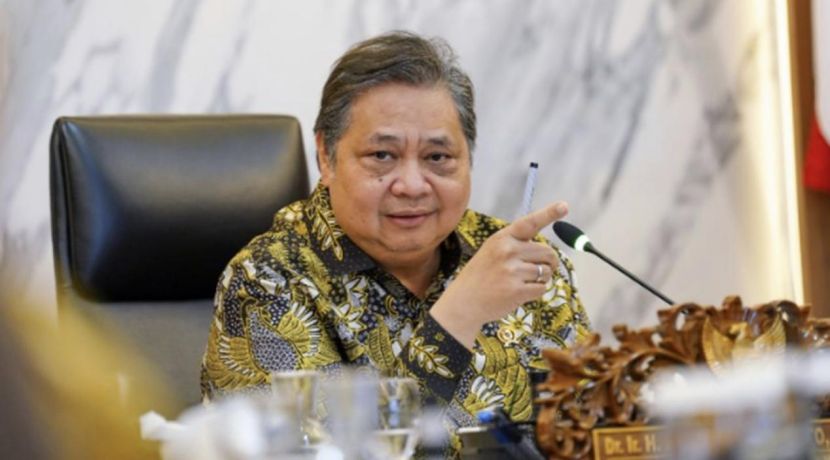
Six Major Economic Stimulus Policies to Be Implemented in Indonesia Starting June
In a coordination meeting chaired by the Coordinating Minister for Economic Affairs, the government announced the launch of economic stimulus policies in the second quarter of 2025. This is because major holidays such as Christmas and New Year have passed, weakening their pull on consumption, while school holidays and the 13th-month salary payment present key opportunities to stimulate consumption. The aim is to maintain economic growth in the second quarter at around 5%. The six policies include transportation discounts: 30% off train tickets during the school holiday period from early June to mid-July 2025; 6% PPN DTP reduction on airfare; 50% off ferry tickets. Toll road discounts: Approximately
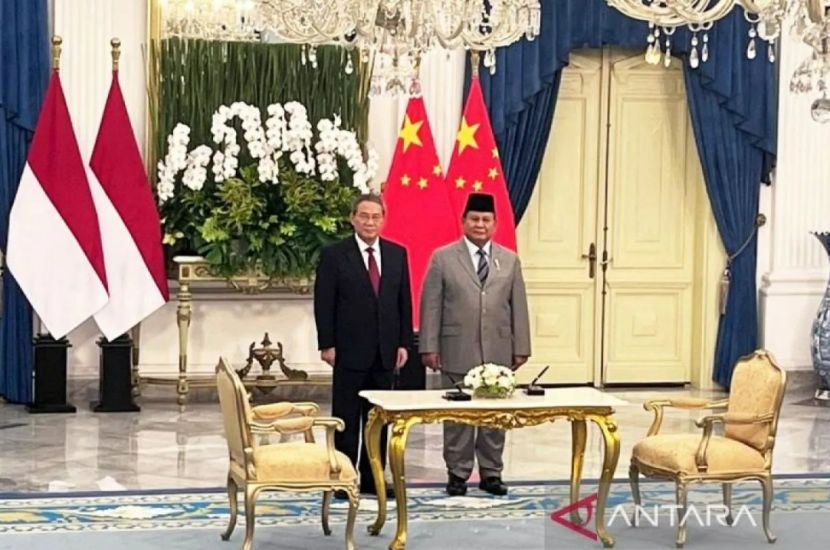
China and Indonesia Achieve Comprehensive Multi-Sector Cooperation
During Chinese Premier Li Qiang's state visit to Indonesia, multiple cooperation agreements and memoranda of understanding were signed between Indonesia and China. Specific contents include: Antara News Agency signed cooperation agreements with China Media Group and Xinhua News Agency respectively; Indonesia's Ministry of Tourism cooperated with China's Ministry of Culture and Tourism; Indonesia's Quarantine Agency cooperated with China's General Administration of Customs on agricultural product exports; Indonesia's Ministry of Health cooperated with China's National Administration of Traditional Chinese Medicine in traditional medicine, and with China's National Disease Prevention and Control Bureau on tuberculosis prevention. Indonesia's Sovereign Wealth Fund reached an investment cooperation agreement with China Investment Corporation;
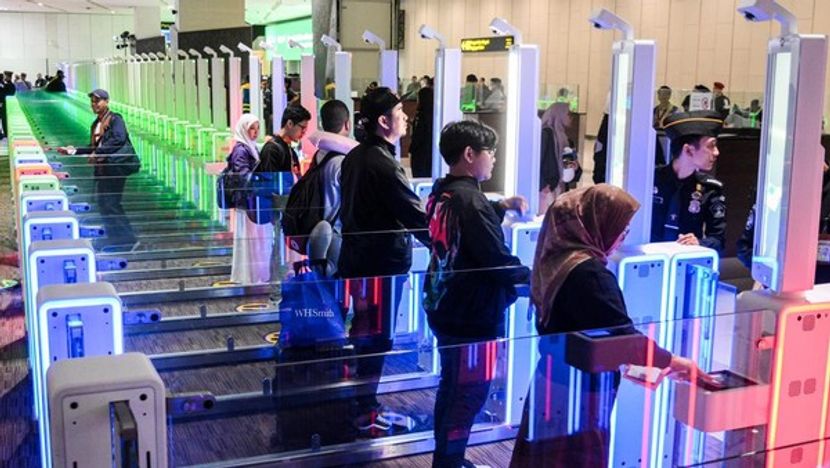
Indonesia Extends Continuous Stay Duration for Foreigners
Indonesia has updated its travel visa regulations, allowing holders of multiple-entry visas to stay continuously in the country for up to 180 days without leaving. This policy includes two 60-day extensions, providing greater flexibility for tourists, business professionals, and remote workers, enhancing Indonesia's attractiveness as a long-term travel destination. The multiple-entry visa remains valid for one year from the date of issuance. Even with the 180-day stay, travelers need to plan their itineraries based on the one-year validity. For some visa categories, when applying for extensions, applicants need to visit the local immigration office, which may involve document verification, biometric data collection, and an interview (if the application has inconsistencies). Business travel, internships, equipment installation, and other professional purposes usually require a personal visit; for leisure tourism or family visits, depending on the local immigration office policy, personal presence may not be required. This policy has a significant impact on digital nomads, remote workers, retirees, and business travelers. Cities like Bali and Jakarta continue to increase their appeal to long-term visitors. Simplified visa requirements reduce travel barriers, allowing business people to more conveniently carry out short-term tasks or training locally without frequent entry and exit. Before applying for an extension, confirm that the visa category you hold meets the new extension regulations; start the application at least 7-10 days in advance to avoid overstay issues; prepare all necessary supporting documents for work or technical travel; consider using a certified local visa consulting agency in Indonesia to efficiently complete the extension process.
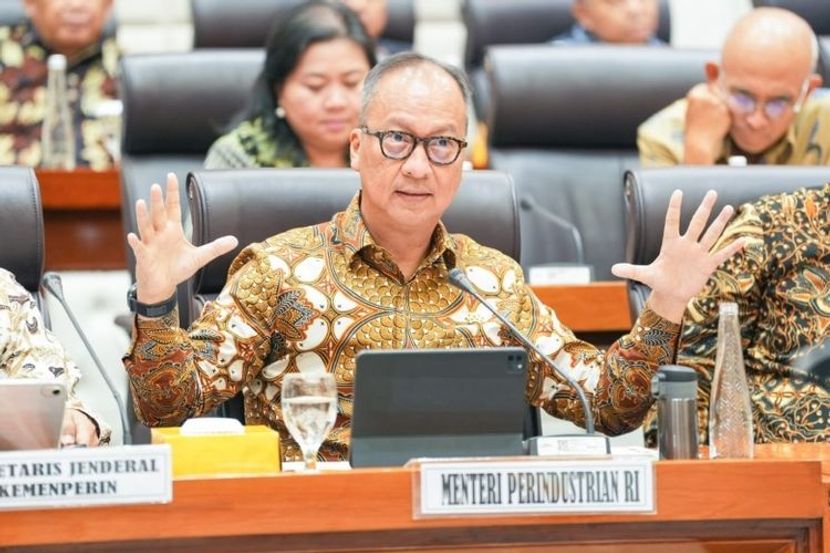
New TKDN Policy Accelerates Rise of Local Manufacturing in Indonesia
The Ministry of Industry is advancing reforms to the Local Component Level (TKDN) policy to strengthen domestic manufacturing, in response to the President's deregulation initiative and not under external pressure. Since February 2025, the ministry has been discussing reforms, and the relevant regulations are now in the final stage. Compared to the old rules, the new regulations optimize the TKDN certification process, promising simpler processes, lower costs, and faster speeds. The new calculation method is also simpler, with shorter processing times and lower costs, aiming to encourage more domestic industrial products to obtain TKDN certificates and increase procurement by government agencies and state-owned enterprises, t