

从镍矿风波到“2+2”: 中印尼关系进入“高博弈、高绑定”的新时代
2026年8月21日,中国外交部长王毅、国防部长董军在雅加达同印尼外长苏吉约诺、防长沙夫里举行第二次中印尼外长防长“2+2”部长级会议。同一天,中印尼首次全面战略对话机制会议也在雅加达举行。单独看,这似乎只是一次正常的高层外交与安全对话;但如果把时间线拉回到今年2月份,再把过去半年的政策变化、资本流向和外交动作串在一起,这场会议所释放的信号就完全不一样了

三十年前去南方,三十年后下南洋:写给90后00后的时代红利说明书
我是王掌柜,2006 年背着双肩包来印尼留学,算下来在南洋这片土地上已经扎根整整 20 年。过去十多年,我带着团队服务了上千家中国企业落地印尼,从最早的国企基建、矿产冶炼,到后来的手机品牌、互联网公司,再到今天的新能源车企、新消费品牌,亲眼看着一批又一批中国人漂洋过海,也亲眼看着一个个中国品牌从无人问津,做到和欧美日韩品牌平起平坐
Sovereign Wealth Fund Danantara Invests USD 7 Billion in Six Major Projects
At the start of 2026, Indonesia made a major announcement: the sovereign wealth fund Danantara took the lead, investing USD 7 billion in a single push to simultaneously launch 6 major projects. These six projects are a real-world blueprint for President Prabowo's three main objectives. More importantly, over the past 15 years, China and Indonesia have built a solid foundation for industrial cooperation. From the completion of the Jakarta-Bandung High-Speed Railway to deep involvement in nickel smelting, from infrastructure assistance to industrial co-building, China has been deeply integrated into Indonesia's development path. These 18 downstream projects offer opportunities not only in smelting, refining,
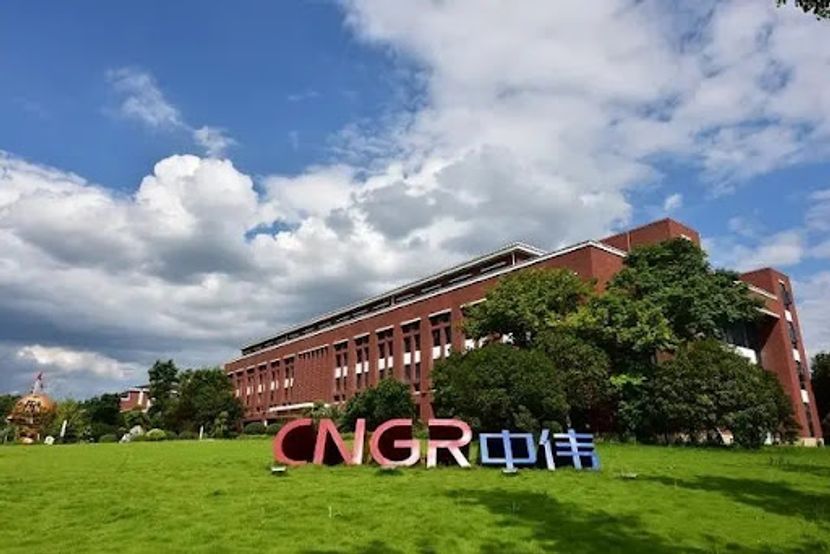
CNGR Group Plans $10.5 Billion Battery Industrial Park in Indonesia
On October 30, according to Indonesian media reports, Chinese battery material manufacturer CNGR Advanced Materials Co., Ltd. plans to build a battery industrial park worth $10.5 billion in Indonesia. Magdalena, an Indonesian director of CNGR Group, stated that the total investment in this industrial park is $10.5 billion, to be developed in three phases. It has been designated as a national strategic project by the Indonesian government, which will provide investment incentives including land. The park requires 3,000 to 5,000 hectares of land, and the project location is still under consideration. The planned park welcomes partners in the battery industry chain to join.
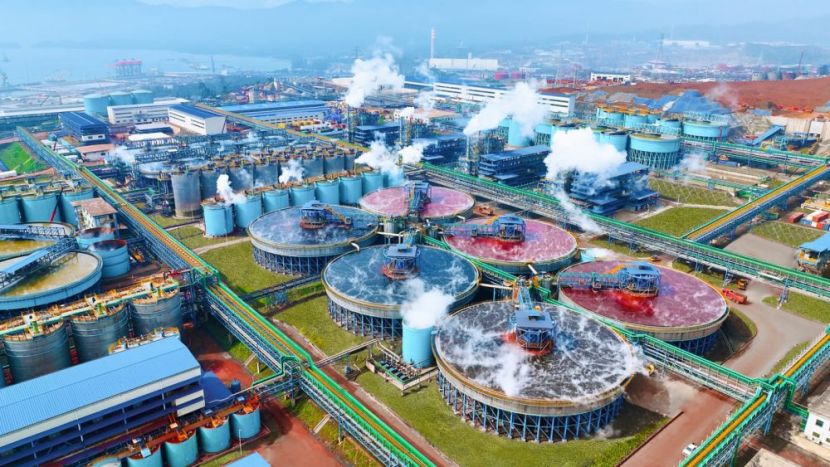
Chinese company obtains Indonesia's first certification for laterite nickel ore processing and smelting
PT Huayue Nickel Cobalt, a subsidiary of Huayou in Indonesia, is a laterite nickel ore processing and refining industrial company in Indonesia. It is the first company to obtain the ISO 37301:2021 certificate through compliance management system audit. This certification was obtained on August 30, 2024, making Huayou the first company in Indonesia's laterite nickel ore processing and refining industry to receive this certification. The audit also evaluated several areas, including corporate governance, export regulations and economic sanctions, anti-bribery and anti-corruption, etc. ISO 37301:2021 is a
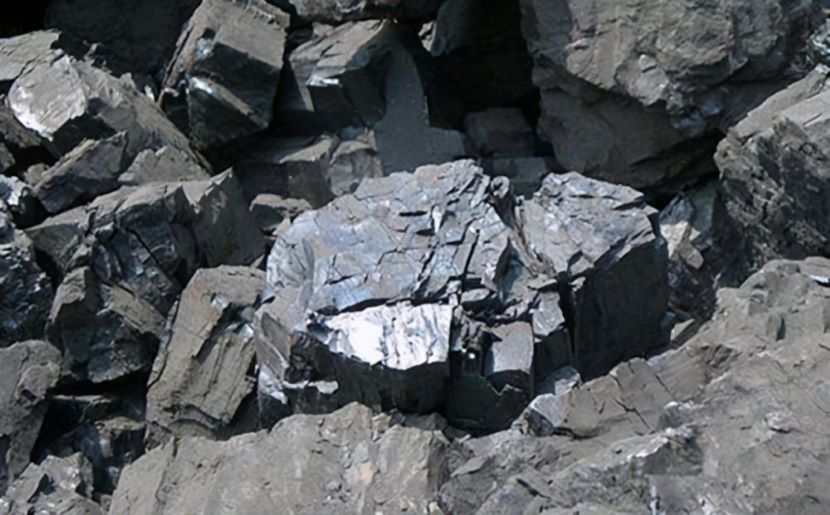
US Media: Rising 'Dirty Nickel' Reputation Threatens Indonesia's EV Dream
“Originally harboring dreams of prosperous development for the electric vehicle manufacturing industry, this has instead led to increased coal consumption.” The Wall Street Journal reported on the 4th that Indonesia's ban on raw nickel exports means more smelters will be built domestically, and before the arrival of a more environmentally friendly electric vehicle era, the country may have to first experience a “coal boom.” Nickel is one of the key materials for electric vehicle batteries, and Indonesia accounts for half of the global nickel supply. In recent years, to enhance and optimize the economic benefits of domestic resources, the Indonesian government has adopted a “downstreaming” policy that only allows important metal resources, including nickel, to be exported in refined metal form. In 2020, the government completely banned nickel exports, hoping to attract foreign investment in Indonesia's metal industry, establish a localized industrial system, connect the nickel industry with the electric vehicle industry, and develop its own EV supply chain.