
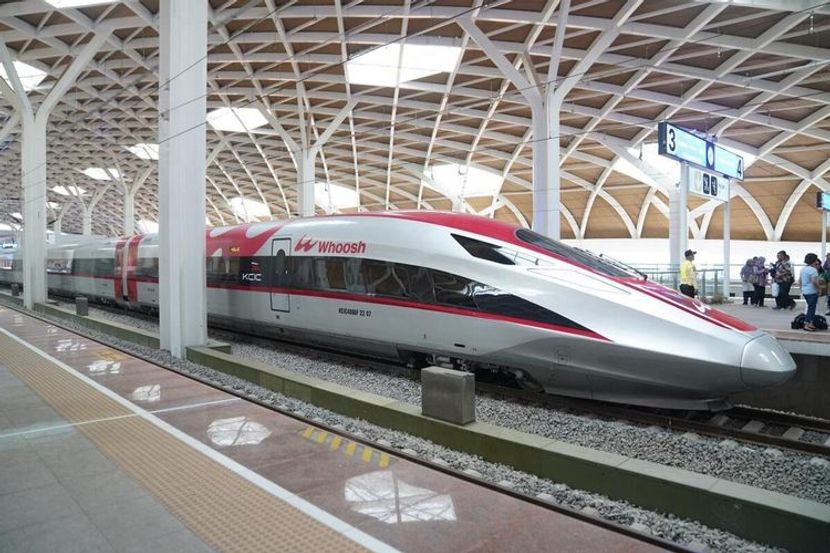
Jakarta-Surabaya high-speed rail requires government support
The President Director of PT Kereta Cepat Indonesia China (KCIC) stated that the continued progress of the Jakarta-Surabaya high-speed rail project depends on government support. Due to the high construction costs of high-speed rail, not all banks or financial institutions have the capacity and willingness to provide financing. Therefore, in many countries, the supply of high-speed rail usually comes from the government, depending on the government's willingness. At least the land and some infrastructure must be provided by the government. If all costs are borne by KCIC, it would increase the burden of investment recovery and lengthen the payback period. This is one of the lessons learned from the previous Jakarta-Bandung high-speed rail Whoosh

Indonesian police use Chinese-made aircraft for patrols
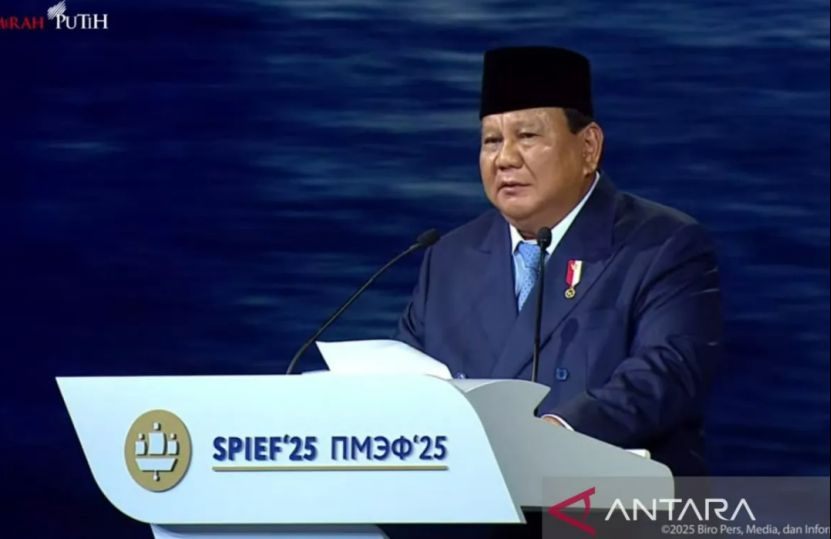
Prabowo to Attend Groundbreaking Ceremony for CATL Project
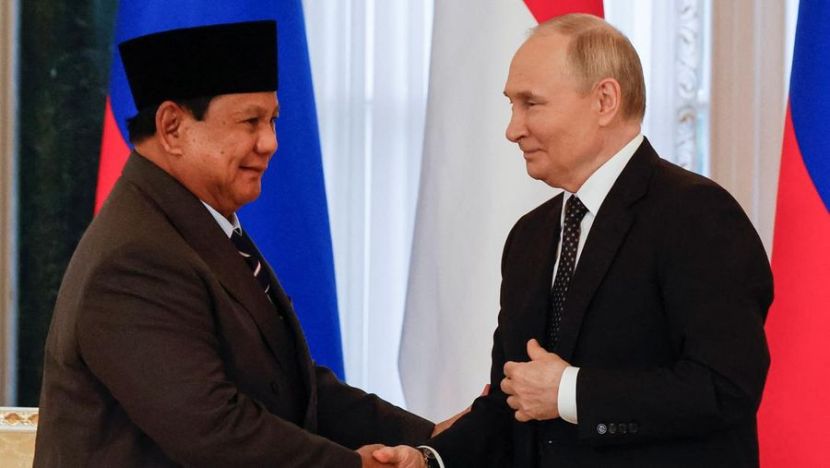
Indonesia and Russia Reach Multi-Sector Cooperative Ties
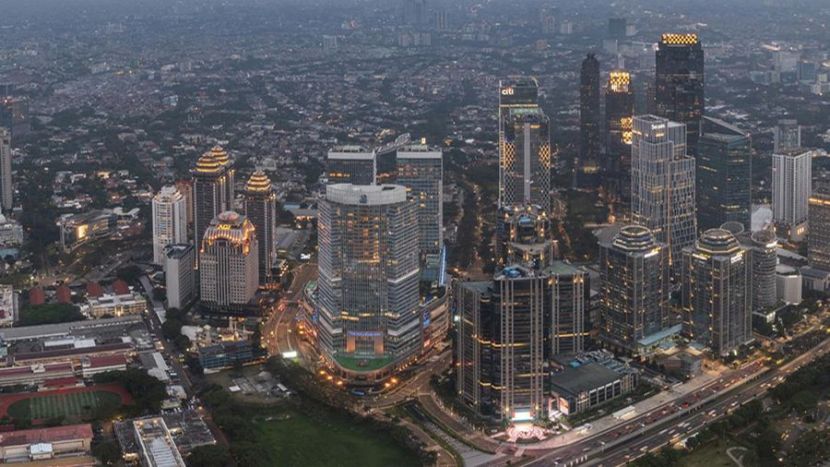
Latest Land Price Levels in Different Areas of Jakarta
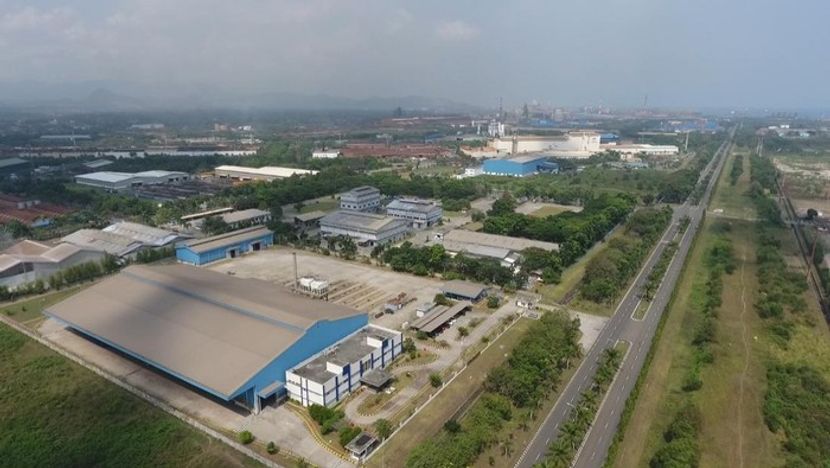
Approximately 90% of Industrial Land in Indonesia Remains Undeveloped
Approximately 90% of planned industrial land in Indonesia remains undeveloped, presenting enormous investment potential. On Sumatra Island, the total industrial land area is about 185,400 hectares, with only 13,000 hectares (around 7%) being utilized. On Java Island, the total industrial land area is approximately 350,500 hectares, with only 34,000 hectares utilized. However, the Activity and Land Use Suitability Permit (KKPR) is incomplete, the integration of Regional Spatial Plans (RDTR) with the Online Single Submission System (OSS) is slow, and there are obstacles in the land acquisition and release process. The government aims to integrate 2,000 RDTRs into the OSS system by 2025; as of mid-2025, only 367 integrations have been completed, with the rest still undergoing synchronization and digitization processes.
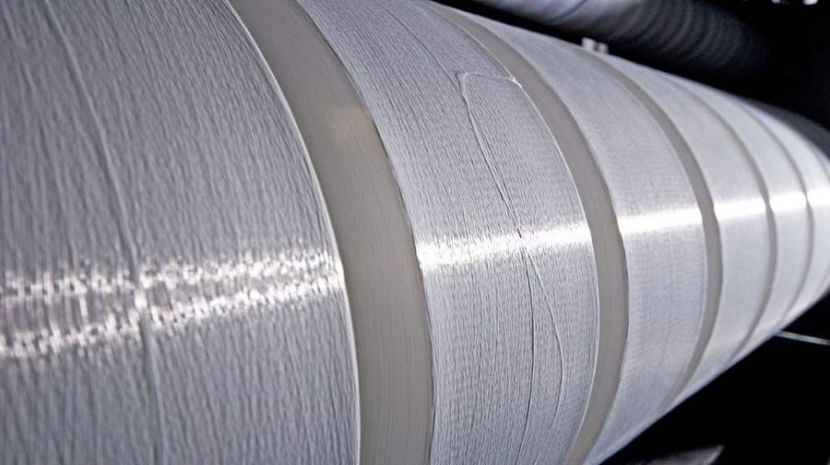
Indonesian Industry Unhappy Over Government's Termination of Anti-Dumping Duties on Chinese Yarn
Indonesia has decided to stop imposing anti-dumping duties on imports of synthetic filament yarn from China, a decision stemming from a recently leaked internal document from the Ministry of Trade recommending not to extend the anti-dumping duties on related products. This decision has faced strong opposition from domestic textile industry players, who argue that the government did not follow legal procedures in handling the recommendations of the Indonesian Anti-Dumping Committee. According to trade laws, the government is obligated to take anti-dumping measures against imported products sold below normal prices that harm domestic industries. The committee has determined that Chinese synthetic filament yarn constitutes dumping and recommended imposing duties, but the government did not adopt this recommendation, causing discontent among textile industry players who feel betrayed by the policy.
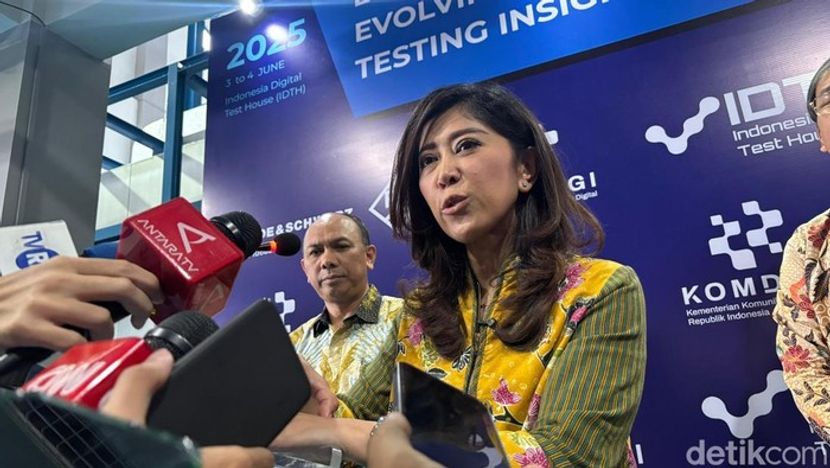
Dubai Company Builds Data Center in West Java
Dubai-based Edgnex plans to invest $2.3 billion (approximately IDR 37 trillion) to build a large-scale data center on 12 hectares of land in the Cikarang Industrial Estate, West Java. Phase one is expected to be completed in 2026, with full development continuing until 2028. The Minister of Communication and Digital Affairs stated that this investment is a positive signal of growing global investor confidence in Indonesia's digital ecosystem, noting that data centers are core infrastructure for Indonesia's digital transformation. Expectations are that the investment will not only bring scale but also added value to society, including supporting SME digitalization and the application of artificial intelligence in agriculture, fisheries, and healthcare. The government
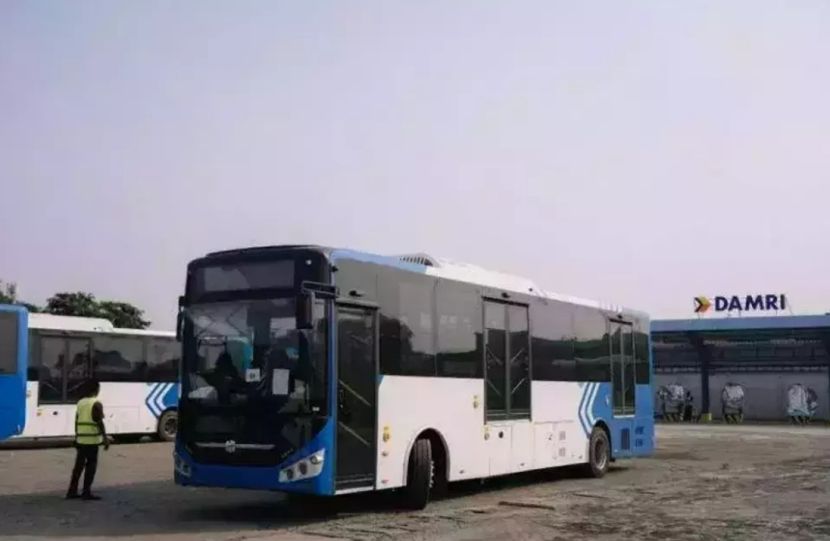
Indonesian Public Transport Company Accepts Chinese-Made Electric Buses
State-owned public transport company Perum Damri is strengthening its eco-friendly public transport services. The company has received 70 electric buses from China's Zhongtong, scheduled to be operational by the end of June. This is part of Damri's plan to operate 200 electric buses by the end of 2025, highlighting its role as a pioneer in sustainable public transport in Indonesia. Damri's head of corporate communications stated that these new buses demonstrate Damri's support for the government's clean energy transition plan and the goal of achieving net-zero emissions by 2060. These electric buses produce zero emissions, providing high comfort and efficiency for Jakarta's public transport users.
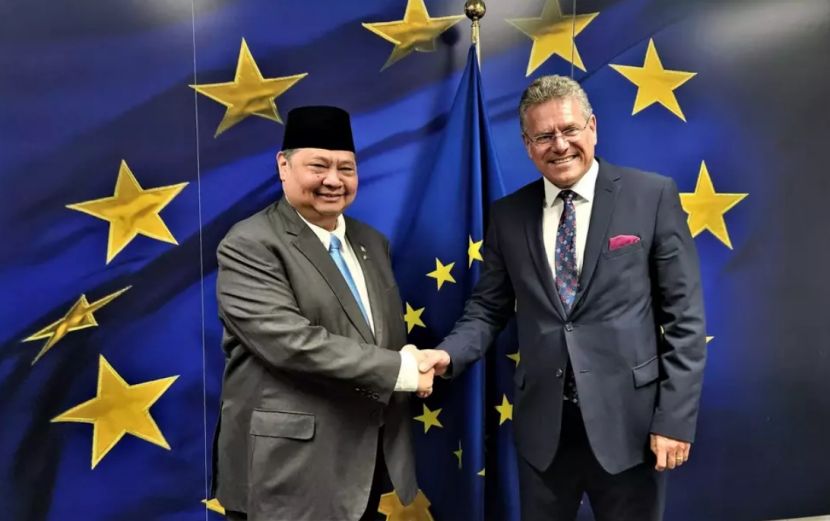
Indonesia and EU Conclude Economic Partnership Agreement Negotiations
The Coordinating Minister for Economic Affairs recently announced that Indonesia and the EU have concluded the Comprehensive Economic Partnership Agreement (CEPA) after 9 years and 19 rounds of negotiations. After meeting with the EU Trade and Economic Security Commissioner, he confirmed that all outstanding issues have been resolved and will be reported to the leaders of both countries. The EU is Indonesia's fifth largest trading partner, with bilateral trade reaching USD 30.1 billion in 2024, and Indonesia enjoying a trade surplus of USD 4.5 billion with the EU. Against the backdrop of global economic instability, this agreement is significant for strengthening bilateral cooperation and stabilizing global supply chains. Within 1-2 years of implementation, 80% of Indonesia's exports to the EU will enjoy zero tariffs.
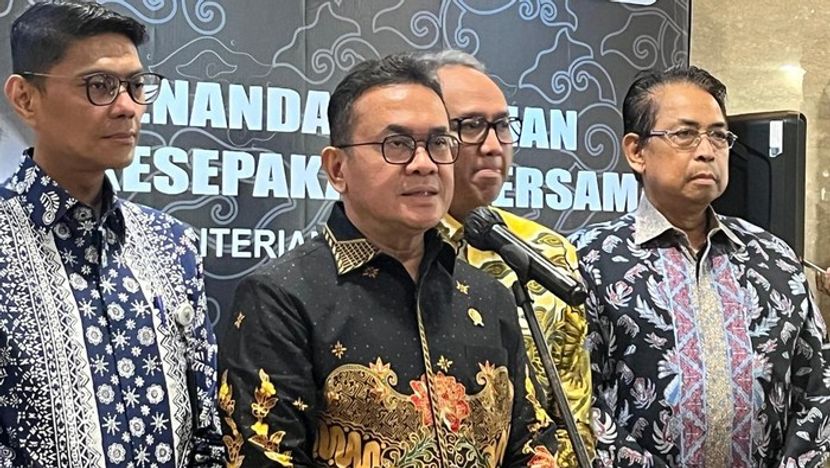
Indonesia's Trade Balance Surplus Hits 60-Month Low
The Minister of Trade recently revealed that Indonesia's merchandise trade balance surplus has shrunk significantly, reaching its lowest level in 60 months. On one hand, declining exports are the main cause, due to the impact of U.S. tariff policies and the Ramadan holiday factor. The effects of Trump's tariff policies were also discussed at the ASEAN Economic Ministers' Meeting. These policies have not only reduced Indonesia's exports to the U.S. but also affected exports to other countries, with many exporters taking a wait-and-see approach. On the other hand, imports have surged, especially from China. However, he stated that there is no indication that this is due to Trump's policies causing China to re-export to Indonesia. China remains Indonesia's largest trading partner, and Indonesia's
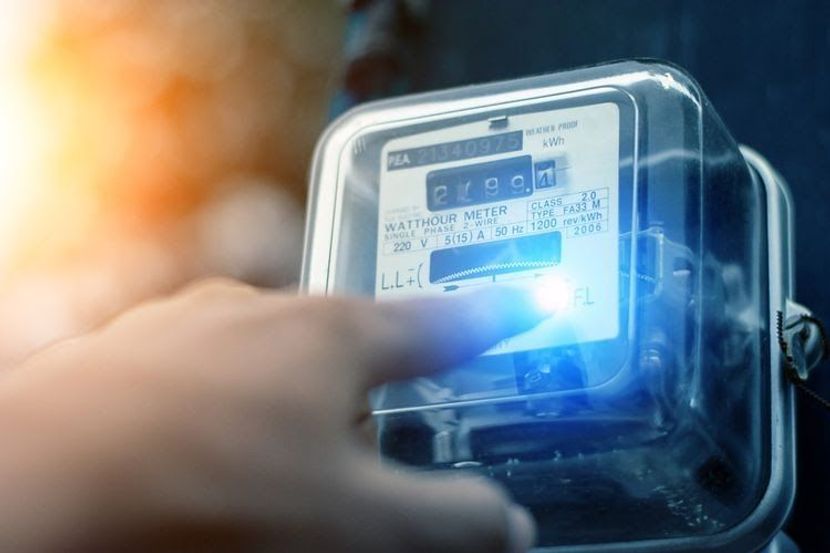
Indonesia Plans to Provide Electricity to Unelectrified Households
The Minister of Energy and Mineral Resources stated that currently about 780,000 households in Indonesia are without electricity, distributed across 10,068 remote villages. The government plans to gradually electrify these households from 2025 to 2029 through the "Village Electricity" program run by Indonesia's state electricity company (PLN). To achieve this goal, the government will build a power plant with a capacity of 394 megawatts, which can provide power connections for approximately 780,000 households. Implementing this plan is expected to require an investment budget of about IDR 50 trillion over the next five years. He stated that electricity supply is not only a matter of demand but also a key step towards achieving regional fairness and justi