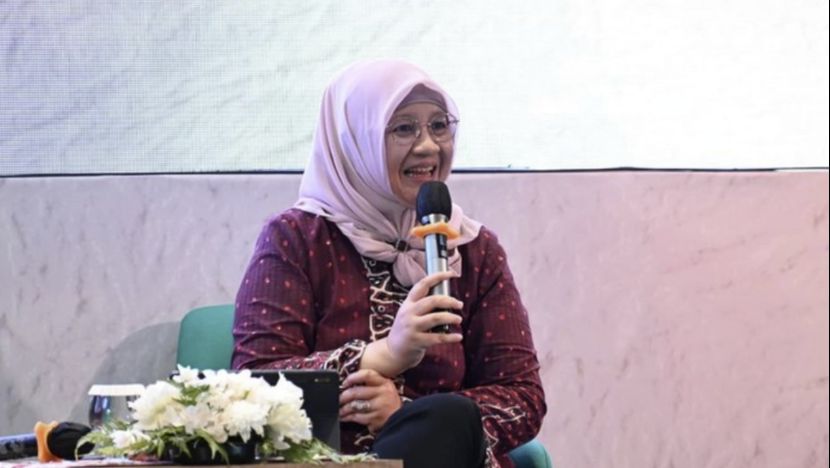
 The Indonesian National Single Window Agency (LNSW) confirmed that its INSW system can effectively prevent illegal imports, with the key measure being the digitization of certificates of origin through electronic data interchange—i.e., electronic Certificates of Origin (e-COO). The head of LNSW stated at a media briefing in Central Jakarta that the system has been exchanging data with several ASEAN countries. Due to transparent and tamper-proof data transmission, fraud and abuse (such as altering information on quantities, types of goods, etc.) can be effectively eliminated, unlike in the past when manual submission of paper documents led to such issues.
In the INSW system, e-COO data is sent directly by the issuing authority of the exporting country, and importers or shippers cannot modify it, fundamentally preventing forgery of certificates of origin. She emphasized that as more data is exchanged electronically, illegal imports will become increasingly difficult to carry out, because the data originates from the official authority of the exporting country. An electronic Certificate of Origin (e-COO) is a digital document issued by an official body (usually a chamber of commerce or trade authority) declaring the origin of goods.
Its main functions are fourfold: First, facilitating international trade, serving as a condition for enjoying preferential tariffs (lower or zero rates) under Free Trade Agreements (FTAs); Second, proving the authenticity of goods, ensuring that the product genuinely originates from the declared country; Third, improving administrative efficiency, eliminating the need to print and mail paper documents by transmitting them through electronic systems between countries; Fourth, reducing forgery, as digital files are easier to verify online.
The Indonesian National Single Window Agency (LNSW) confirmed that its INSW system can effectively prevent illegal imports, with the key measure being the digitization of certificates of origin through electronic data interchange—i.e., electronic Certificates of Origin (e-COO). The head of LNSW stated at a media briefing in Central Jakarta that the system has been exchanging data with several ASEAN countries. Due to transparent and tamper-proof data transmission, fraud and abuse (such as altering information on quantities, types of goods, etc.) can be effectively eliminated, unlike in the past when manual submission of paper documents led to such issues.
In the INSW system, e-COO data is sent directly by the issuing authority of the exporting country, and importers or shippers cannot modify it, fundamentally preventing forgery of certificates of origin. She emphasized that as more data is exchanged electronically, illegal imports will become increasingly difficult to carry out, because the data originates from the official authority of the exporting country. An electronic Certificate of Origin (e-COO) is a digital document issued by an official body (usually a chamber of commerce or trade authority) declaring the origin of goods.
Its main functions are fourfold: First, facilitating international trade, serving as a condition for enjoying preferential tariffs (lower or zero rates) under Free Trade Agreements (FTAs); Second, proving the authenticity of goods, ensuring that the product genuinely originates from the declared country; Third, improving administrative efficiency, eliminating the need to print and mail paper documents by transmitting them through electronic systems between countries; Fourth, reducing forgery, as digital files are easier to verify online.
Indonesia Implements Electronic Certificate of Origin to Prevent Illegal Imports
www.indoent.com
2025-12-05
The Indonesian National Single Window Agency (LNSW) confirmed that its INSW system can effectively prevent illegal imports, with the key measure being the digitization of certificates of origin through electronic data interchange—i.e., electronic Certificates of Origin (e-COO). The head of LNSW stated at a media briefing in Central Jakarta that the system has been exchanging data with several ASEAN countries. Due to transparent and tamper-proof data transmission, fraud and abuse (such as altering information on quantities, types of goods, etc.) can be effectively eliminated, unlike in the past when manual submission of paper documents led to such issues.
The Indonesian National Single Window Agency (LNSW) confirmed that its INSW system can effectively prevent illegal imports, with the key measure being the digitization of certificates of origin through electronic data interchange—i.e., electronic Certificates of Origin (e-COO). The head of LNSW stated at a media briefing in Central Jakarta that the system has been exchanging data with several ASEAN countries. Due to transparent and tamper-proof data transmission, fraud and abuse (such as altering information on quantities, types of goods, etc.) can be effectively eliminated, unlike in the past when manual submission of paper documents led to such issues.
In the INSW system, e-COO data is sent directly by the issuing authority of the exporting country, and importers or shippers cannot modify it, fundamentally preventing forgery of certificates of origin. She emphasized that as more data is exchanged electronically, illegal imports will become increasingly difficult to carry out, because the data originates from the official authority of the exporting country. An electronic Certificate of Origin (e-COO) is a digital document issued by an official body (usually a chamber of commerce or trade authority) declaring the origin of goods.
Its main functions are fourfold: First, facilitating international trade, serving as a condition for enjoying preferential tariffs (lower or zero rates) under Free Trade Agreements (FTAs); Second, proving the authenticity of goods, ensuring that the product genuinely originates from the declared country; Third, improving administrative efficiency, eliminating the need to print and mail paper documents by transmitting them through electronic systems between countries; Fourth, reducing forgery, as digital files are easier to verify online.
Tags
Policy Information
Share to
Related Reading
 Policy Information
Chinese Mainland and Hong Kong Enterprises Eligible for Relaxed Foreign Exchange Deposit Rules in Indonesia
2026-08-30 Policy Information
China-Indonesia Multi-Sector Strategic Cooperation Upgrade Blueprint
2026-08-23 Policy Information