
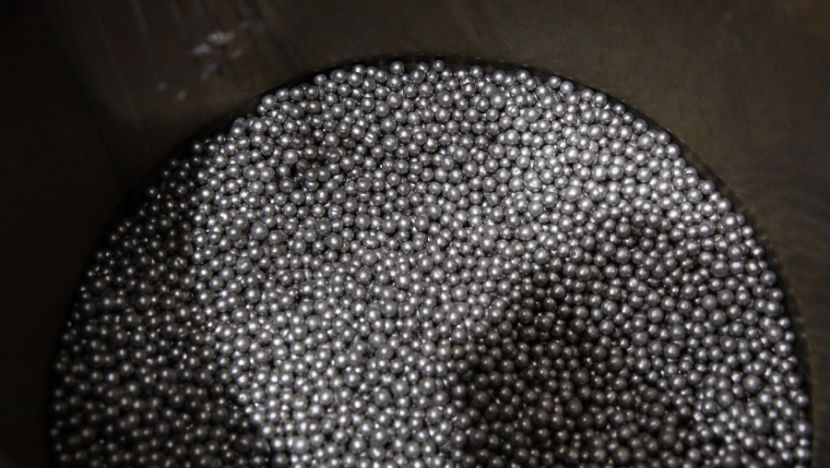
 Nickel prices retreated from 19-month highs as Indonesia failed to provide details of a nickel production cut plan that had previously triggered a price surge. Three-month nickel futures on the London Metal Exchange (LME) fell 4.4%, and in trading on January 14, nickel prices dropped another 3.4% after climbing to $18,800 per ton (an intraday high since June 2024) in the previous session. Investors had driven nickel prices higher on bets that output from Indonesia, the world's largest nickel supplier, was at risk.
Indonesia had previously hinted at plans to cut nickel production in 2026 to balance market supply and demand, but the Ministry of Energy and Mineral Resources, at a press conference on January 14, did not disclose specific details of this year's nickel mining quota. The minister stated that the relevant data is still being finalized. Nickel, a key raw material for power batteries and stainless steel, has risen nearly 30% since mid-December 2025, joining copper, aluminum, and other metals in an upward trend. This round of metal price increases was driven by heavy buying by Chinese traders, with geopolitical risks further fueling the rally.
An analyst at UOB Kay Hian noted that unless the output cut quotas are implemented substantially and consistently, nickel price trends will remain highly uncertain. He also mentioned that the short-term impact of the production cut plan is limited, as most already-invested projects are likely to be exempt from the cuts for the next one to two years. As of 14:41 Jakarta time, LME nickel was trading at $17,895 per ton, down 3.4%; copper was at $12,899.5 per ton, down 2.56%.
In line with nickel, copper also retreated from its historical highs, falling together with other industrial metals as traders took profits after the rapid price increases. Futures contracts for copper, nickel, and zinc on the LME all closed down more than 2%, giving back some of the gains of the past few weeks. The massive capital inflow into China's domestic metal markets had been the core driver of the price rally.
Although most traders and investors remain bullish on the long-term outlook for metals such as copper, the rapid price surge has also triggered caution, and profit-taking could lead to significant corrections. An analyst at Max Group said the current broad decline in the metal market is a typical adjustment after excessive gains in the previous period, with base metal analysts trying to keep up with the recent sharp rally. Copper prices rose more than 40% in 2025, the largest annual gain since 2009, driven by production disruptions at several major copper mines and traders shipping large volumes of metal to the U.S. to hedge against potential tariff risks.
Nickel prices retreated from 19-month highs as Indonesia failed to provide details of a nickel production cut plan that had previously triggered a price surge. Three-month nickel futures on the London Metal Exchange (LME) fell 4.4%, and in trading on January 14, nickel prices dropped another 3.4% after climbing to $18,800 per ton (an intraday high since June 2024) in the previous session. Investors had driven nickel prices higher on bets that output from Indonesia, the world's largest nickel supplier, was at risk.
Indonesia had previously hinted at plans to cut nickel production in 2026 to balance market supply and demand, but the Ministry of Energy and Mineral Resources, at a press conference on January 14, did not disclose specific details of this year's nickel mining quota. The minister stated that the relevant data is still being finalized. Nickel, a key raw material for power batteries and stainless steel, has risen nearly 30% since mid-December 2025, joining copper, aluminum, and other metals in an upward trend. This round of metal price increases was driven by heavy buying by Chinese traders, with geopolitical risks further fueling the rally.
An analyst at UOB Kay Hian noted that unless the output cut quotas are implemented substantially and consistently, nickel price trends will remain highly uncertain. He also mentioned that the short-term impact of the production cut plan is limited, as most already-invested projects are likely to be exempt from the cuts for the next one to two years. As of 14:41 Jakarta time, LME nickel was trading at $17,895 per ton, down 3.4%; copper was at $12,899.5 per ton, down 2.56%.
In line with nickel, copper also retreated from its historical highs, falling together with other industrial metals as traders took profits after the rapid price increases. Futures contracts for copper, nickel, and zinc on the LME all closed down more than 2%, giving back some of the gains of the past few weeks. The massive capital inflow into China's domestic metal markets had been the core driver of the price rally.
Although most traders and investors remain bullish on the long-term outlook for metals such as copper, the rapid price surge has also triggered caution, and profit-taking could lead to significant corrections. An analyst at Max Group said the current broad decline in the metal market is a typical adjustment after excessive gains in the previous period, with base metal analysts trying to keep up with the recent sharp rally. Copper prices rose more than 40% in 2025, the largest annual gain since 2009, driven by production disruptions at several major copper mines and traders shipping large volumes of metal to the U.S. to hedge against potential tariff risks.
Indonesia Fails to Reveal Nickel Output Cut Details, LME Nickel Prices Plunge Nearly 8% in Two Days
www.indoent.com
2026-01-15
Nickel prices retreated from 19-month highs as Indonesia failed to provide details of a nickel production cut plan that had previously triggered a price surge. Three-month nickel futures on the London Metal Exchange (LME) fell 4.4%, and in trading on January 14, nickel prices dropped another 3.4% after climbing to $18,800 per ton (an intraday high since June 2024) in the previous session. Investors had driven nickel prices higher on bets that output from Indonesia, the world's largest nickel supplier, was at risk. Indonesia had previously hinted at plans to cut nickel production in 2026 to balance market supply and demand, but the Ministry of Energy and Mineral Resources, at a press conference on January 14,
Nickel prices retreated from 19-month highs as Indonesia failed to provide details of a nickel production cut plan that had previously triggered a price surge. Three-month nickel futures on the London Metal Exchange (LME) fell 4.4%, and in trading on January 14, nickel prices dropped another 3.4% after climbing to $18,800 per ton (an intraday high since June 2024) in the previous session. Investors had driven nickel prices higher on bets that output from Indonesia, the world's largest nickel supplier, was at risk.
Indonesia had previously hinted at plans to cut nickel production in 2026 to balance market supply and demand, but the Ministry of Energy and Mineral Resources, at a press conference on January 14, did not disclose specific details of this year's nickel mining quota. The minister stated that the relevant data is still being finalized. Nickel, a key raw material for power batteries and stainless steel, has risen nearly 30% since mid-December 2025, joining copper, aluminum, and other metals in an upward trend. This round of metal price increases was driven by heavy buying by Chinese traders, with geopolitical risks further fueling the rally.
An analyst at UOB Kay Hian noted that unless the output cut quotas are implemented substantially and consistently, nickel price trends will remain highly uncertain. He also mentioned that the short-term impact of the production cut plan is limited, as most already-invested projects are likely to be exempt from the cuts for the next one to two years. As of 14:41 Jakarta time, LME nickel was trading at $17,895 per ton, down 3.4%; copper was at $12,899.5 per ton, down 2.56%.
In line with nickel, copper also retreated from its historical highs, falling together with other industrial metals as traders took profits after the rapid price increases. Futures contracts for copper, nickel, and zinc on the LME all closed down more than 2%, giving back some of the gains of the past few weeks. The massive capital inflow into China's domestic metal markets had been the core driver of the price rally.
Although most traders and investors remain bullish on the long-term outlook for metals such as copper, the rapid price surge has also triggered caution, and profit-taking could lead to significant corrections. An analyst at Max Group said the current broad decline in the metal market is a typical adjustment after excessive gains in the previous period, with base metal analysts trying to keep up with the recent sharp rally. Copper prices rose more than 40% in 2025, the largest annual gain since 2009, driven by production disruptions at several major copper mines and traders shipping large volumes of metal to the U.S. to hedge against potential tariff risks.
Tags
Industry News
Share to
Related Reading
 Industry Flash
Cheap Chinese Plastics Impact Indonesia's Petrochemical Industry, Association Calls for Protection
2026-09-03 Industry News
Investment Heat in Two Key Industrial Parks in Central Java Continues to Rise
2026-08-31 Industry News