
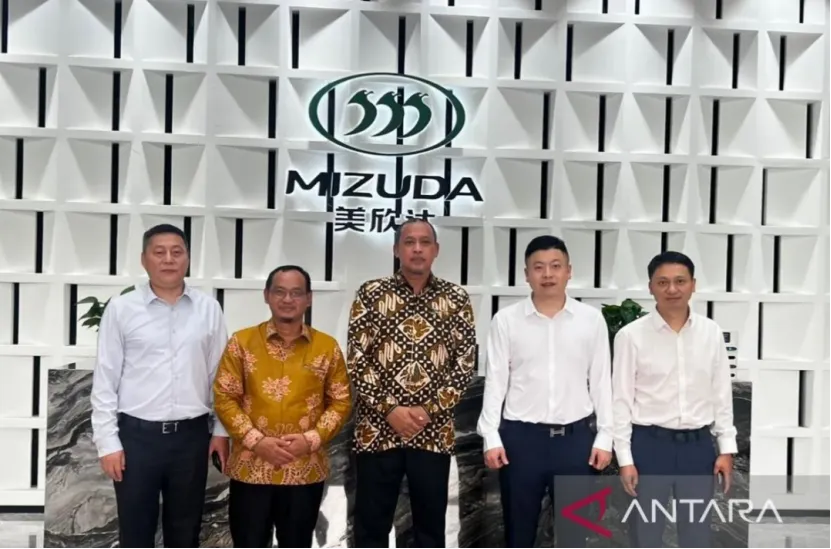
 rnrnThe Bekasi City Government in West Java Province plans to draw on China's successful experience in innovative industry transformation to turn the Bantargbang area into a circular economy industrial park. The Mayor of Bekasi made a special trip to China to inspect waste-to-energy projects (PSEL) and announced the area's redevelopment plan. The Mayor stated that the trip focused on learning from the development path of Meixin Group as a reference model. The company originally focused on textile business, then expanded into the environmental protection sector, incubating Wangneng Environment, a leading domestic waste-to-energy company. This model of leveraging core businesses to expand into related emerging industries is highly valuable for reference. The local government has already made initial contact with the company and plans to introduce its waste-to-energy plant to the Bantargbang area.rnrnHe stated that this industrial innovation model can incubate new industry chains based on original core businesses. The waste-to-energy project will become the foundation for Bantargbang's transformation, driving the development of various supporting circular economy industries and creating economic benefits for local residents. In addition to the environmental energy project, the government is also promoting cooperation between the group and the National Handicraft Council in the Bekasi area on creative industries, with a focus on deepening collaboration in the fashion sector. The cooperation includes skills training for young designers, quality upgrading of micro, small, and medium products, industry technical exchanges, and expanding overseas sales channels. The area has a wealth of creative design talent but lacks support resources to access international markets. The government hopes to rely on the cooperation to build a learning and exchange platform and enhance the international competitiveness of local fashion products.rnrnThe Mayor also extended an investment invitation to the company, welcoming it to expand its industrial presence in Bekasi. The overall redevelopment will be comprehensively advanced: with the waste-to-energy plant as the core, simultaneously expanding downstream derivative industries such as comprehensive utilization of fly ash and slag, introducing new investments, establishing innovation centers, and developing creative and manufacturing industries suitable for the circular economy. The Mayor outlined a long-term vision, hoping that in the next five to ten years, Bantargbang will no longer be perceived as a garbage dumping ground, but will transform into an environmental innovation center and green economic growth pole, continuously creating employment and development opportunities for local residents, and achieving multiple objectives of waste management, industrial upgrading, and livelihood improvement.
Chinese Companies Assist Bekasi's Circular Economy Industry Development
www.indoent.com
2026-07-03
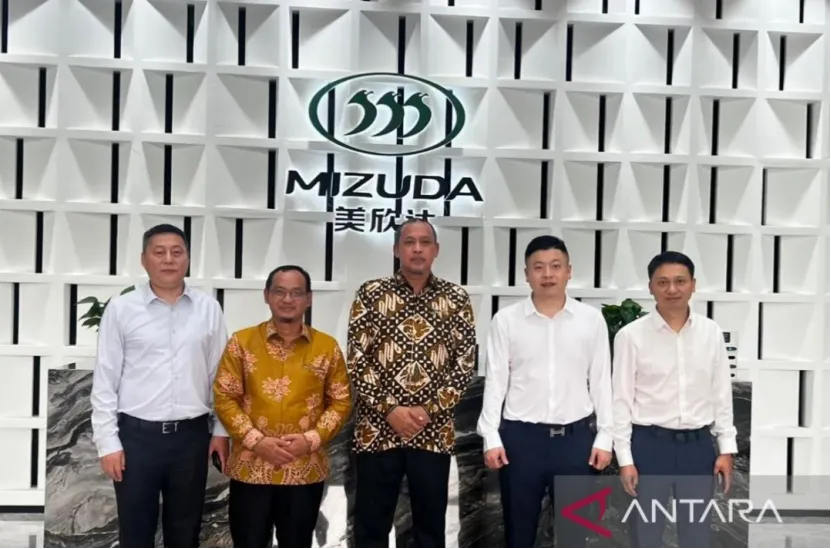
rnrnThe Bekasi City Government in West Java Province plans to transform the Bantargbang area into a circular economy industrial park, drawing on China's successful experience in innovative industry transformation. The Mayor of Bekasi made a special trip to China to inspect waste-to-energy projects (PSEL) and announced the area's redevelopment plan. The Mayor stated that the trip focused on learning from the development path of Meixin Group as a reference model. The company originally focused on textiles, then expanded into the environmental protection sector, incubating Wangneng Environment, a leading domestic waste-to-energy company. This model of leveraging core businesses to expand into related emerging industries is highly valuable for reference. The local government has already made initial contact with the company and plans to introduce its waste-to-energy plant to the Bantargbang area.
rnrnThe Bekasi City Government in West Java Province plans to draw on China's successful experience in innovative industry transformation to turn the Bantargbang area into a circular economy industrial park. The Mayor of Bekasi made a special trip to China to inspect waste-to-energy projects (PSEL) and announced the area's redevelopment plan. The Mayor stated that the trip focused on learning from the development path of Meixin Group as a reference model. The company originally focused on textile business, then expanded into the environmental protection sector, incubating Wangneng Environment, a leading domestic waste-to-energy company. This model of leveraging core businesses to expand into related emerging industries is highly valuable for reference. The local government has already made initial contact with the company and plans to introduce its waste-to-energy plant to the Bantargbang area.rnrnHe stated that this industrial innovation model can incubate new industry chains based on original core businesses. The waste-to-energy project will become the foundation for Bantargbang's transformation, driving the development of various supporting circular economy industries and creating economic benefits for local residents. In addition to the environmental energy project, the government is also promoting cooperation between the group and the National Handicraft Council in the Bekasi area on creative industries, with a focus on deepening collaboration in the fashion sector. The cooperation includes skills training for young designers, quality upgrading of micro, small, and medium products, industry technical exchanges, and expanding overseas sales channels. The area has a wealth of creative design talent but lacks support resources to access international markets. The government hopes to rely on the cooperation to build a learning and exchange platform and enhance the international competitiveness of local fashion products.rnrnThe Mayor also extended an investment invitation to the company, welcoming it to expand its industrial presence in Bekasi. The overall redevelopment will be comprehensively advanced: with the waste-to-energy plant as the core, simultaneously expanding downstream derivative industries such as comprehensive utilization of fly ash and slag, introducing new investments, establishing innovation centers, and developing creative and manufacturing industries suitable for the circular economy. The Mayor outlined a long-term vision, hoping that in the next five to ten years, Bantargbang will no longer be perceived as a garbage dumping ground, but will transform into an environmental innovation center and green economic growth pole, continuously creating employment and development opportunities for local residents, and achieving multiple objectives of waste management, industrial upgrading, and livelihood improvement.
Tags
Social Updates
Share to


