
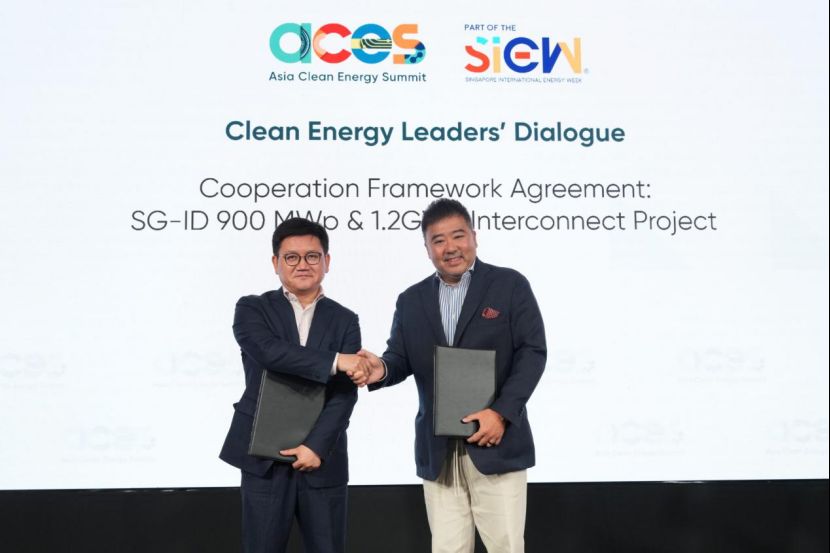
Singapore-China Collaboration Develops Solar and Energy Storage Project in Indonesia
Singapore's Equator Renewables Asia (ERA) and CRE International (CREI), a subsidiary of China National Nuclear Corporation, recently signed a framework agreement to jointly develop a 900 MW solar power and 1.2 GWh battery energy storage system (BESS) project in the Riau Islands, Indonesia. Of this, 400 MW AC will be transmitted to Singapore via submarine cable. CREI is responsible for investment, construction, and operation on the generation side, while ERA manages transmission and procurement coordination. The project is expected to be completed by 2029 and is one of the six licensed companies approved by the Energy Market Authority of Singapore (EMA) to import clean electricity. Singapore plans to import about 6 GW of low-carbon electricity by 2035, meeting one-third of the country's energy needs to achieve net-zero emissions by 2050.
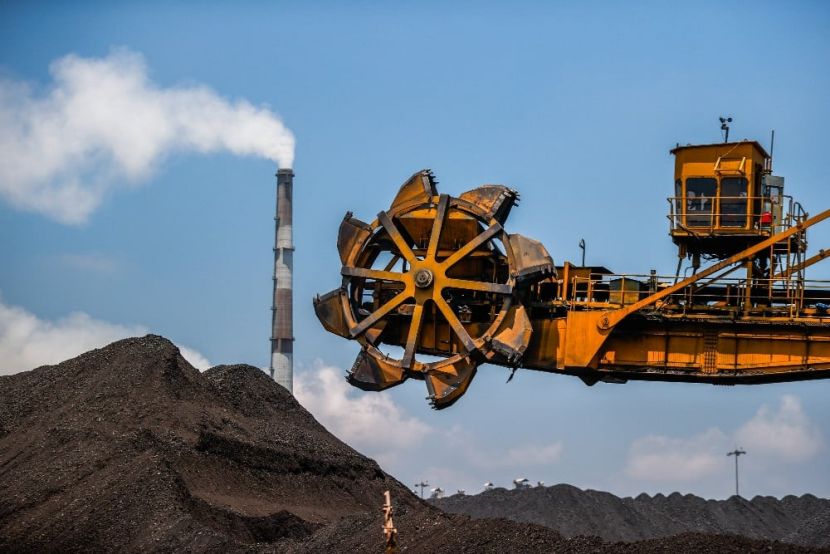
Indonesia Coal Gasification Project May Adopt Chinese Technology
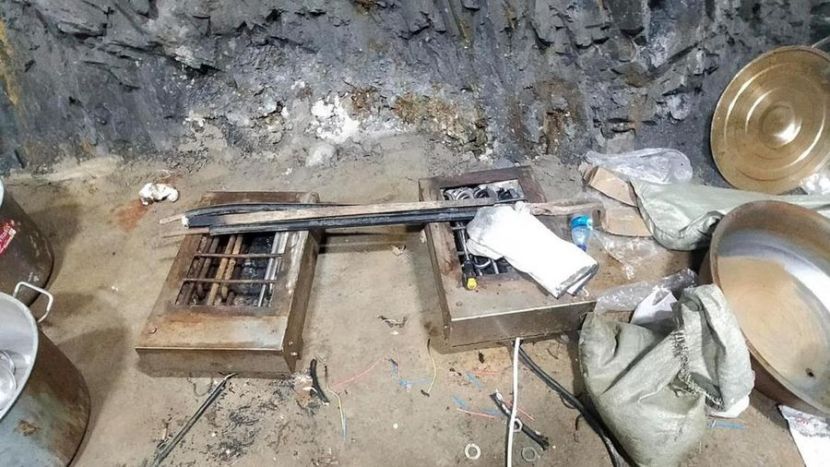
Indonesia's Ministry of Energy Completes Illegal Mining Mapping, Identifies Five Major Gold Hotspots
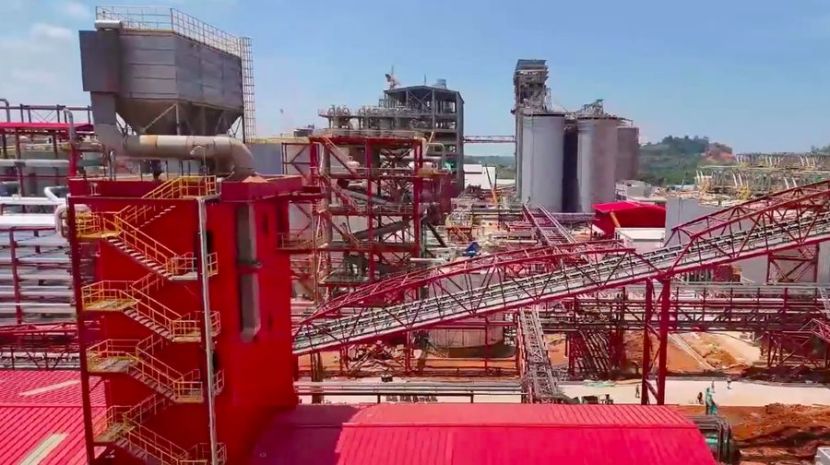
90% of Indonesia's Downstream Projects by 2040 Will Come from Mining Sector
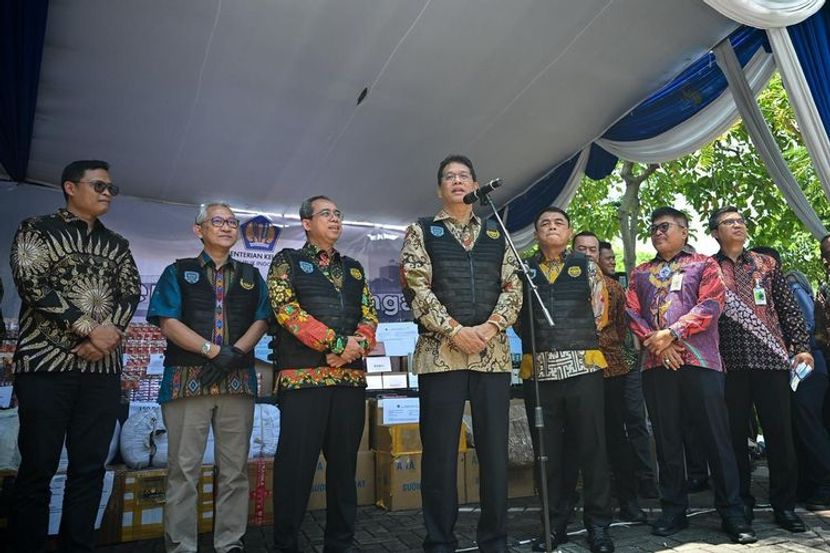
Indonesian Finance Minister Cracks Down on Illegal Imports, Orders Customs to Trace Origins
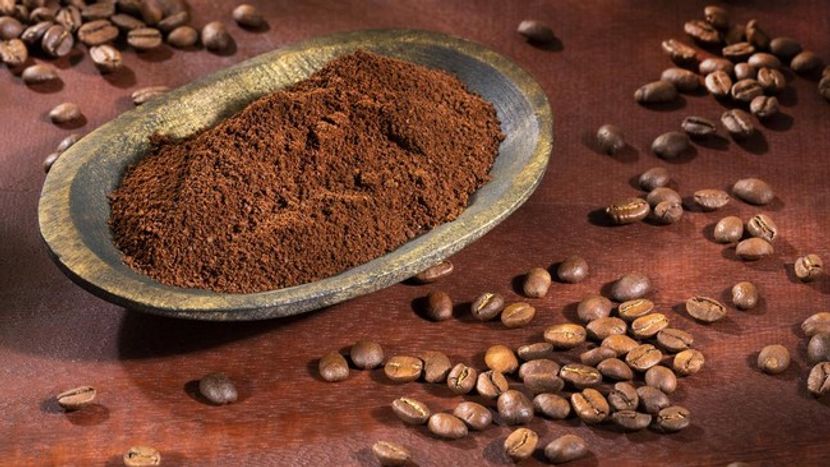
Indonesia and China Sign 9 Trade Agreements
During the 2025 Indonesia Trade Expo (TEI), Indonesia and China signed 9 trade cooperation agreements at the "Indonesia-China Strategic Trade and Investment Opportunities" business forum. 360 Chinese entrepreneurs participated in the forum. Key areas of cooperation include green energy, waste-to-energy, automotive mobility ecosystems, smart aquaculture feeding systems, and Indonesian coffee procurement. The Indonesian Ambassador to China stated that bilateral relations have been elevated to the highest level of Comprehensive Strategic Partnership. The forum aims to strengthen trade cooperation, promote investment flows, and explore new collaboration
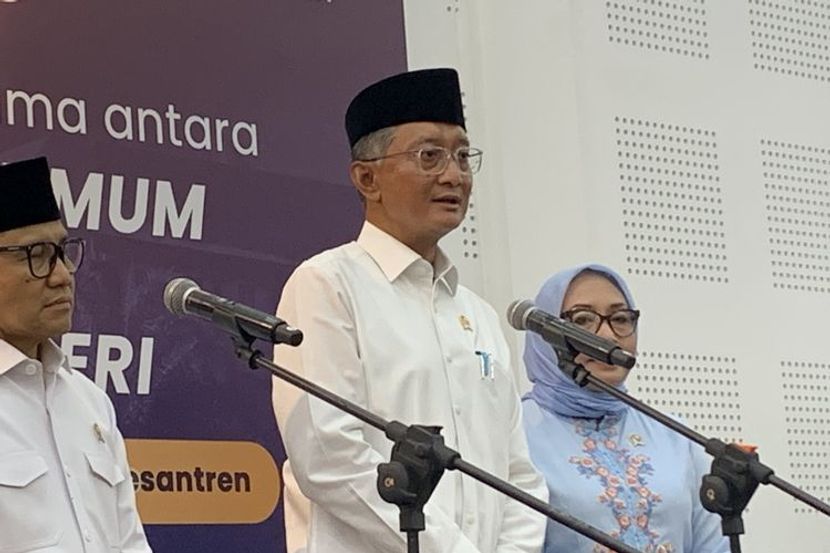
Indonesia Promotes 50 National Strategic Road Projects to Investors
The Minister of Public Works recently announced that 50 National Strategic Project (PSN) road projects will be offered to investors through the Government-Business Partnership (KPBU) scheme. These projects include cross-regional toll roads aimed at promoting the development of the national transportation network. The projects cover multiple provinces, including areas outside Java Island such as Sumatra, Kalimantan, Sulawesi, and Bali. Key projects include the Serang-Panimbang road in Banten Province, the Pandaan-Malang road in East Java, and the Manado-

Indonesia's Waste-to-Energy Golden Era: 120 Companies Vying for Opportunities
Indonesia's waste-to-energy industry has entered a golden era. On October 10, President Prabowo signed Presidential Regulation No. 109 of 2025, and the industry was activated after its official announcement on the 14th. A total of 120 companies have signed up to participate, including 54 international enterprises from China, Japan, Singapore, Germany, the Netherlands, and others. The key change in the presidential regulation is the adjustment of the waste-to-energy profit model, from the previous "two sources of income" of electricity sales + government subsidies or waste disposal fees, to exclusive power purchase by the state electricity company PLN at a fixed rate of $0.20 per kWh with a 30-year
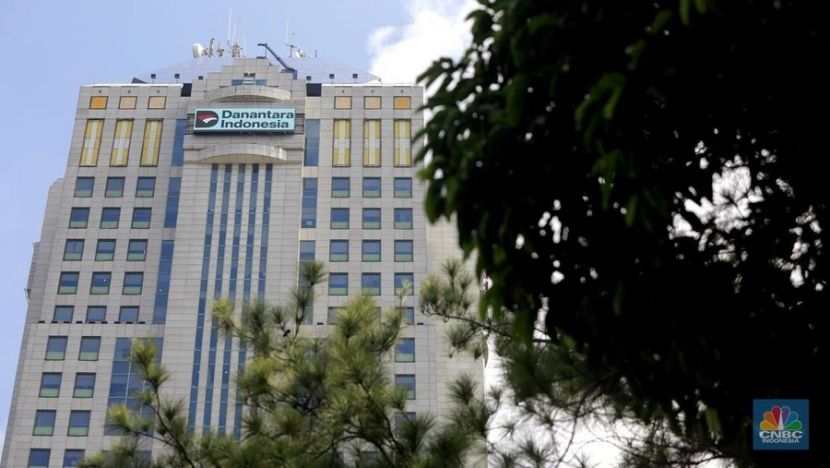
Over a Hundred Enterprises Participate in Indonesia's Waste-to-Energy Project, First Batch to Operate by Year-End
The National Investment Management Agency Danantara announced that the national waste-to-energy project has attracted over 100 domestic and foreign enterprises forming 70 consortia. The project has a total investment of IDR 91 trillion and is planned to be implemented in 33 cities, with the first phase covering 10 major cities including Jakarta and Bandung. Each plant will process 1,000 tons of waste daily and convert it into renewable energy. President Prabowo has signed Presidential Regulation No. 109 of 2025 to provide legal protection. The project aims to solve Indonesia's urban waste treatment challenges (in 2023, only 39% of national waste received proper treatment).
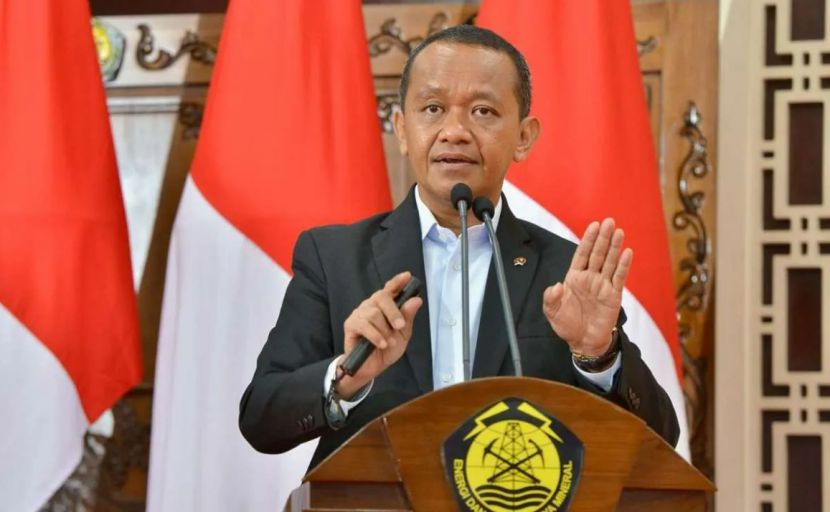
Indonesia Fully Bans Rare Earth Metal Exports
The Indonesian government has announced a full ban on the export of all rare earth metals and their by-products. The ban was issued by the Minister of Energy and Mineral Resources, aiming to implement President Prabowo's directive to strengthen state control over strategic resources. Indonesia's rare earth resources are mainly associated with tin mining by-products (such as monazite and xenotime), containing 17 rare earth elements, among which neodymium (Nd), praseodymium (Pr), and other permanent magnet materials account for more than 60% of global consumption. The newly established Mineral Industry Bureau in August will take the lead in rare earth value-added processing, prioritizing the development of mining areas without mining permits (IUP) by state-owned enterprises.
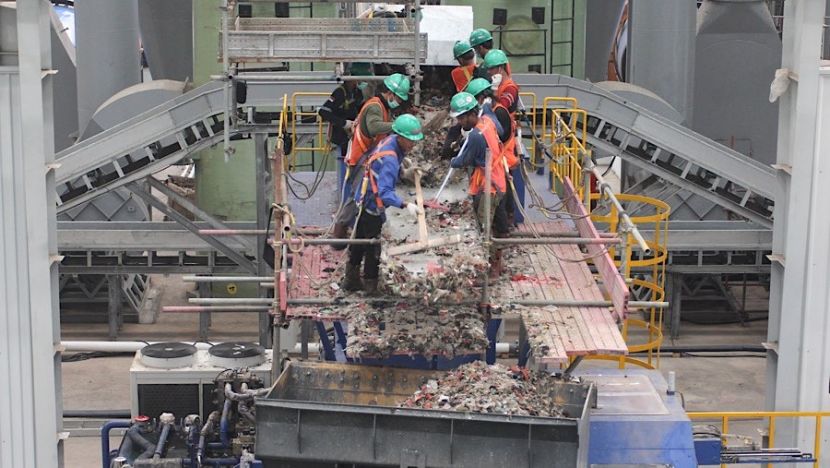
Indonesia Launches Tender for Waste-to-Energy Projects
The National Investment Management Agency (BPI) Danantara will launch an open tender for waste-to-energy (PLTSa) projects in early November 2025. Its CEO has pledged to ensure a transparent process. The projects aim to address waste accumulation in major cities and promote energy transition, targeting commercial operations by 2028. The government will revise Presidential Regulation No. 35 of 2018, fixing the electricity price at 20 US cents/kWh (originally proposed at 22 cents), eliminating local government tipping fees, and shifting the burden to state electricity company PLN. A "take and pay" contract model will also be introduced to protect investor returns.
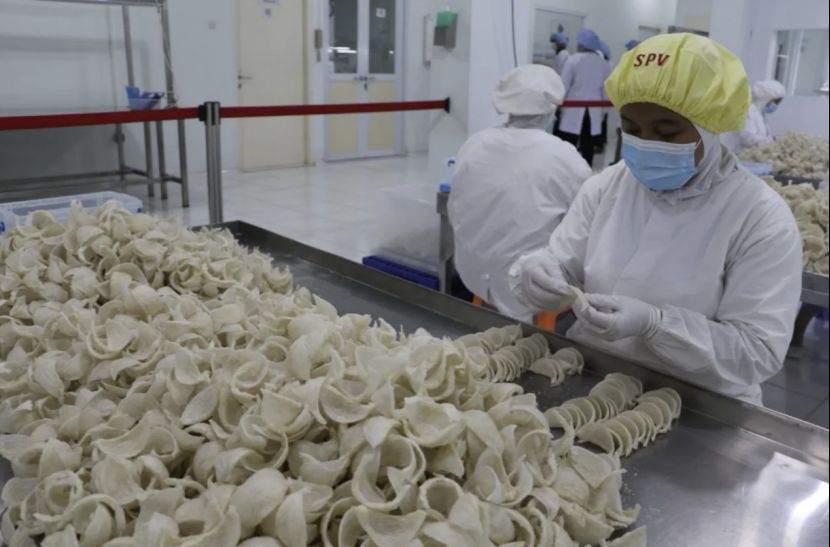
11 Indonesian Companies Suspended from Exporting Bird's Nest to China
China's General Administration of Customs recently unilaterally implemented a new aluminum content standard for bird's nest products (≤100 mg/kg), leading to the suspension of 11 Indonesian export enterprises from trading with China. Indonesia's Agricultural Quarantine Agency stated that the standard was not mutually agreed upon and will significantly impact Indonesia's bird's nest industry. In the short term, the government will conduct food safety audits on 9 companies, with results being verified by China Customs. Meanwhile, pre-export aluminum content testing (using China's national standard ICP-MS method) and standardized raw material collection processes for bird's nest are being implemented. To date, aluminum content testing has been completed for 880 bird's nest samples (