

Current Status of Indonesia's Guava Industry
Indonesia is the world's largest producer of guava, with an annual output of approximately 26.3 million tons, far surpassing countries such as India and Iran. This is attributed to its stable tropical climate, fertile volcanic soil, and widespread and balanced cultivation from Aceh to Maluku, with guava grown almost everywhere from commercial orchards to home gardens. Indonesian guava is rich in vitamin C, antioxidants, and fiber, earning it a reputation as a natural 'immune guardian,' and its high adaptability allows farmers to cultivate it year-round. However, most of Indonesia's guava is consumed fresh or sold in traditional markets, with limited deep processing. Although India is not the largest producer, it leads in guava processing industry, known as a 'guava powerhouse,' exporting processed products to more than 30 countries.

Current Status of Indonesia's Palm Sugar Industry
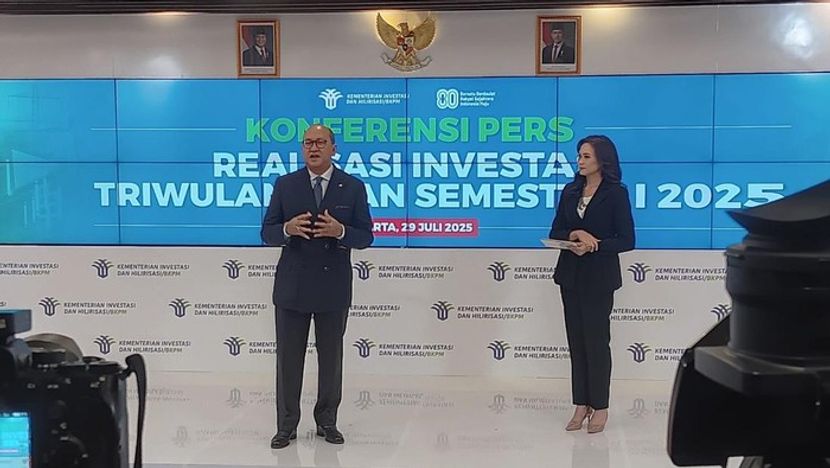
Indonesia's Downstream Industry Investment Exceeds 280 Trillion Rupiah in First Half of Year

Indonesia and the US Invest $8 Billion to Build 17 Oil Refineries
Indonesia Plans to Build 18 Refineries with Total Capacity of 1 Million Barrels
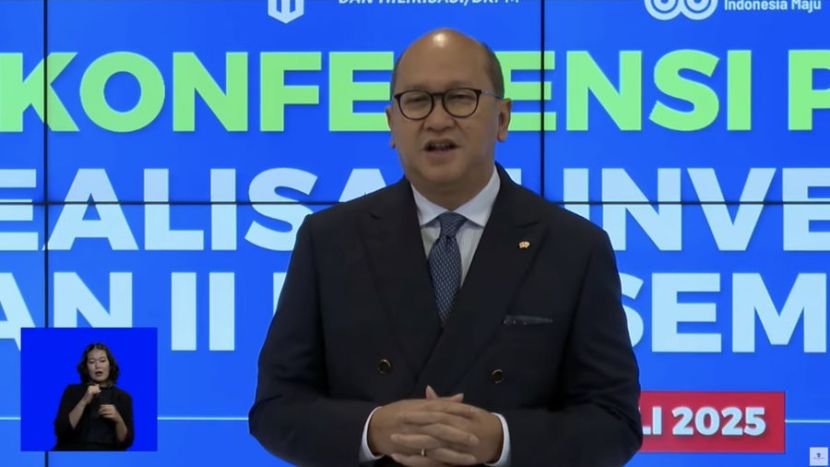
Indonesia Plans to Invest Over 600 Trillion in 18 Downstream Projects
Indonesia plans to build coal downstream industry projects at 6 locations, converting coal into dimethyl ether. This project is part of 18 national downstream and energy security projects, and its preliminary feasibility study has been completed. The project locations are in Bulungan, Kutai Timur, Kota Baru, Muara Enim, Pali, and Banyuasin. The estimated investment is 164 trillion IDR, and it is expected to create 34,800 jobs. The preliminary feasibility study was completed by the National Task Force for Downstream Industry and Energy Security, and the documents have been submitted to the
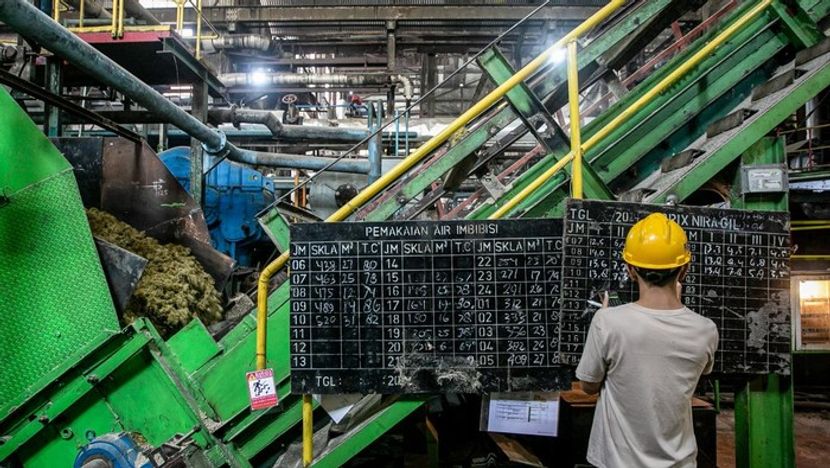
Indonesia's Manufacturing Investment Surges, Employment Prospects for Over 3 Million People Improve
According to data from the National Industrial Information System for the first half of 2025, 1,641 companies are building new production facilities, with an investment value of IDR 803.2 trillion, expected to absorb 3.05 million workers. In June 2025, manufacturing production showed an expansion trend, with the Industrial Confidence Index at 52.50, indicating that over 50% of industrial enterprises performed better than the previous month and labor demand increased. The Industrial Confidence Index for export-oriented industries and domestic market-oriented industries were 52.19 and 51.32 respectively, both showing expansion, meaning that demand, production, and employment in manufacturing are better than previous periods.
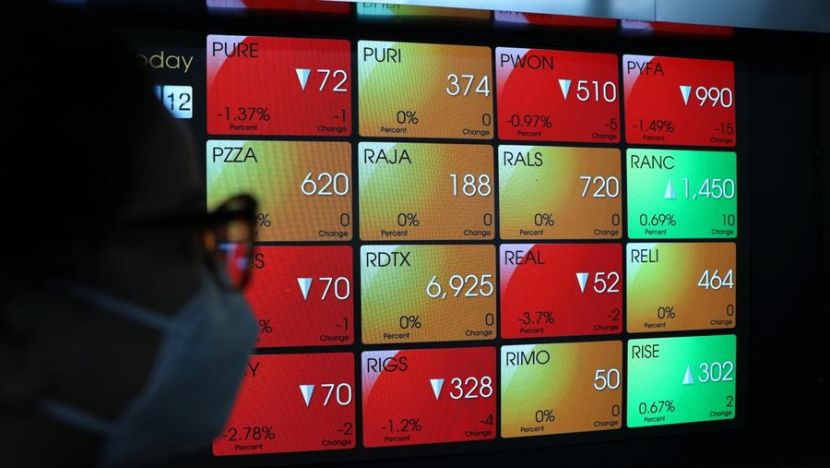
Djarum Increases SSIA Shareholding by Over 400 Million Shares in Three Consecutive Weeks
PT Dwimuria Investama Andalan, a subsidiary of the Djarum Group, continues to increase its stake in PT Surya Semesta Internusa Tbk (ticker: SSIA). Over the past three weeks, it has cumulatively added 426.4826 million SSIA shares, raising its ownership to 9.06%. On July 4, it first increased holdings by 247.9927 million shares; on July 15, it added 2.1046 million shares, increasing the stake to 5.89%; on July 21, it added 4.0659 million shares; on July 22, it added 2
Singapore Continues to Expand Investment in Indonesia's Green Energy Sector
Singapore's Temasek Holdings continues to expand its investment footprint in Indonesia, covering multiple sectors such as green energy, healthcare, telecommunications, and retail, with full support from the Indonesian government. On July 18, 2025, Indonesia's Coordinating Minister for Economic Affairs met with the Chairman of Singapore Telecommunications (Singtel), who is also a Temasek board member, in Jakarta. The two sides discussed the potential for collaboration between Temasek and Indonesia's New Energy Authority (BPI Danantara), as well as support for Indonesia's energy transition and green industrial zone development. Temasek's investments in Indonesia have a long history, and

Indonesian Business Tycoon Expands into Industrial Real Estate and Healthcare
The CEO of Indonesia's Djarum Group explains the reasons for the group's expansion into industrial real estate and healthcare through its investment arm, Dwimuria Investama Andalan. The group believes these sectors have bright prospects and can sustain business continuity amid global uncertainties. There is also a 'family insecurity' about the potential disappearance of the core tobacco business, drawing parallels to other industries (e.g., palm oil, certain Japanese industries) that have faded. He emphasized that the group and its team have the capability to venture into new business areas unrelated to the core business.

Large Conglomerates Ramp Up Long-Term Strategic Layout in Industrial Parks, Driving Valuation Reassessment
A finance and capital markets professor stated that the entry of Indonesian large conglomerates into the industrial park sector is a long-term strategy and may serve as a positive catalyst, not a speculative project. Companies are motivated by the promising prospects of industrial parks, such as the potential to become future large port hubs (using the area managed by PT Surya Semesta Internusa Tbk (SSIA) as an example). This phenomenon may positively impact the stock prices of other industrial park companies and also drive other real estate stocks. The involvement of large companies validates the attractiveness of the industrial park sector driven by infrastructure development, manufacturing growth, downstream industry progress, foreign investment inflows, and government incentives (such as special economic zones).
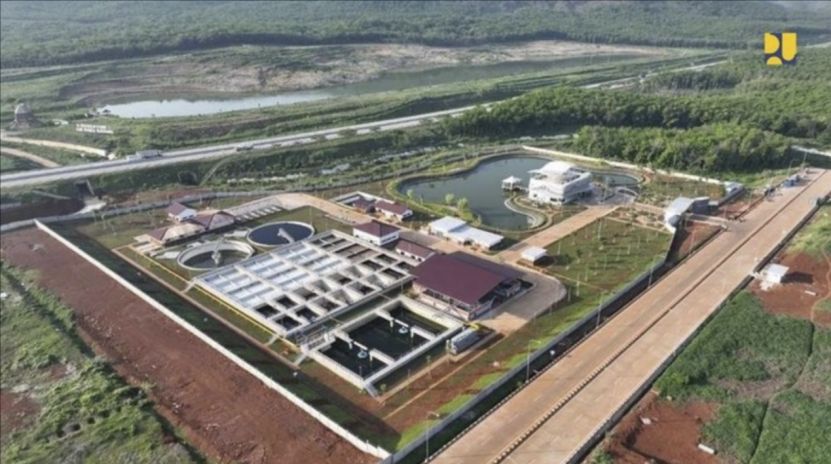
Malaysian Packaging Giant Invests US$7 Million to Build Factory in Batang
Malaysian plastic packaging giant Thong Guan Industries Berhad is investing US$7 million (approx. IDR 1.14 trillion) to build a factory in the Batang Special Economic Zone. The facility covers 5.04 hectares and is expected to create 500 jobs. With over 50 years of history, it is a global leader in stretch film exports and dominates Japan's plastic bag market. 85% of its products are exported to South Korea, Mexico, Chile, Vietnam, and other countries, with annual revenues of IDR 4.2 trillion. The project emphasizes sustainable development, and the factory will adopt