
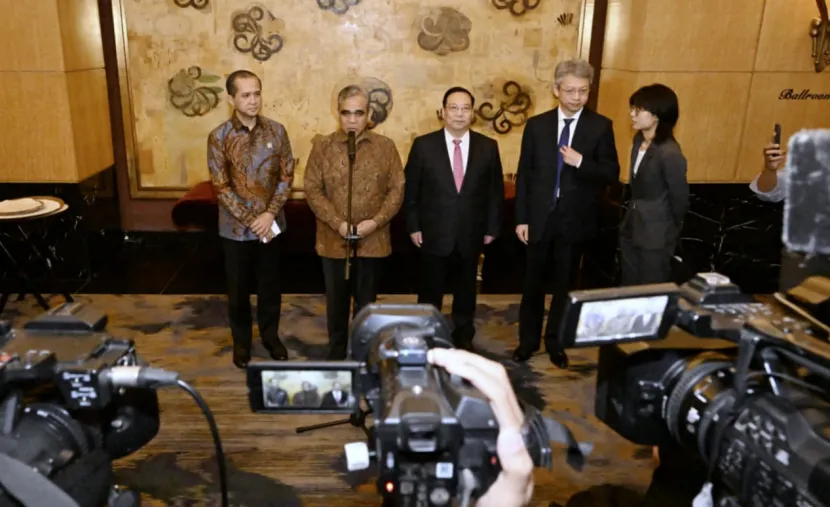
Prabowo Government Deepens China-Indonesia Cooperation, Learns from China's Experience
The Prabowo government in Indonesia has demonstrated a firm commitment to poverty reduction, driving a sustained decline in the poverty rate through multiple strategic programs. According to data from the Indonesian Central Bureau of Statistics, the poverty rate dropped to 8.47% in 2025, with the number of people in extreme poverty significantly decreasing from 3.56 million to approximately 2.2 million, marking outstanding poverty reduction results. The Minister of Immigration and Settlement stated that this achievement reflects the high priority the Prabowo government has placed on poverty reduction over the past year and a half. As early as November 2022 during his visit to China, President Prabowo expressed his willingness to learn from China's poverty reduction experience, and since then, the Indonesian government has continuously deepened cooperation with China in poverty reduction
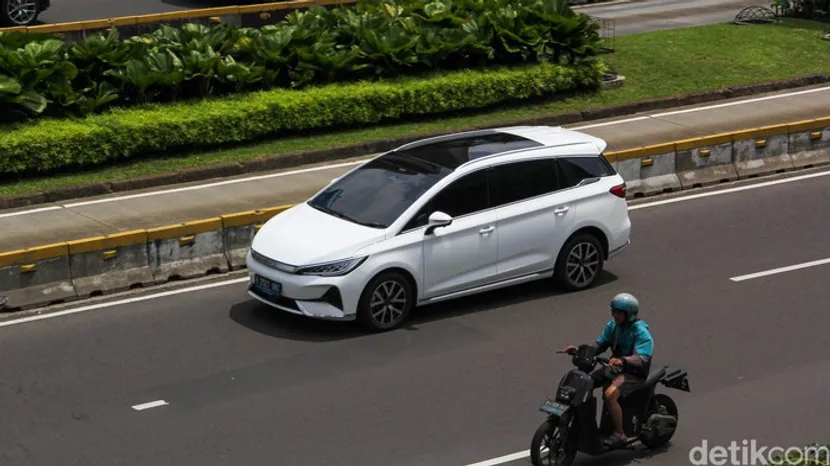
Indonesia Adjusts Electric Vehicle Tax Regulations, Long-Term Incentives May Tighten
Indonesia Advances Seven Major Fertilizer Industry Upgrade Projects
Jababeka Industrial Park Partners with Chinese Company to Build Innovation Cooperation Center
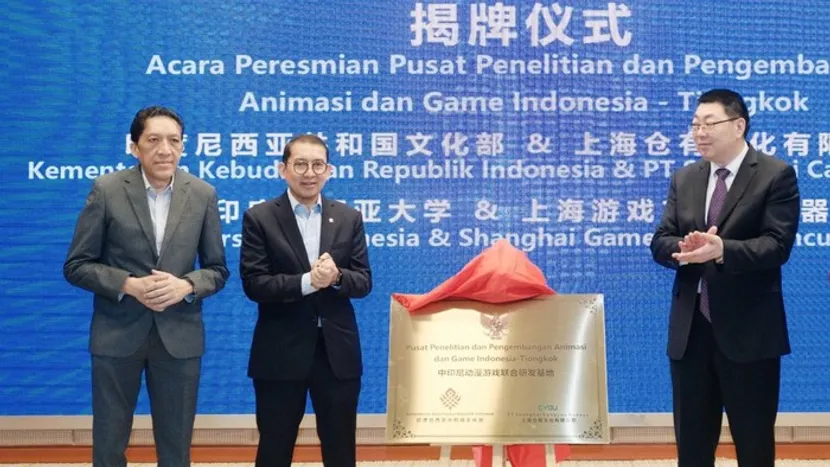
China-Indonesia Joint Animation and Game R&D Center
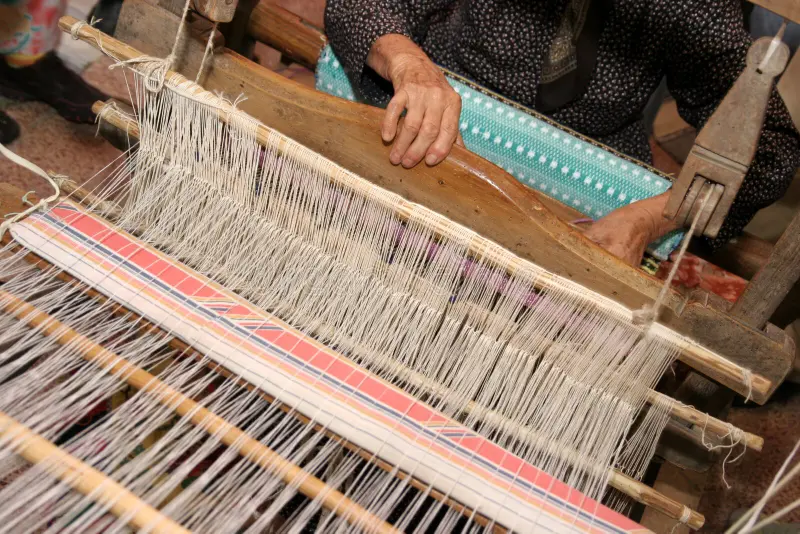
$60 Million: Three Textile Factories Land in Jakarta
$60 million, three major factories established simultaneously. While many are pessimistic about the textile industry, why are H&M's top suppliers betting big on Subang, Indonesia? On April 23, 2026, Subang, in the eastern industrial belt of Jakarta, reached a milestone moment. At the Subang Smartpolitan Industrial Park, three globally influential companies in the fashion landscape held a joint groundbreaking ceremony. These three companies — Blue Ribbon Fashion, Binkowo Textile, and Dafei Textile — are all core members of the global fast-fashion giant H&M's supply chain. Total investment amounted to $60 million.
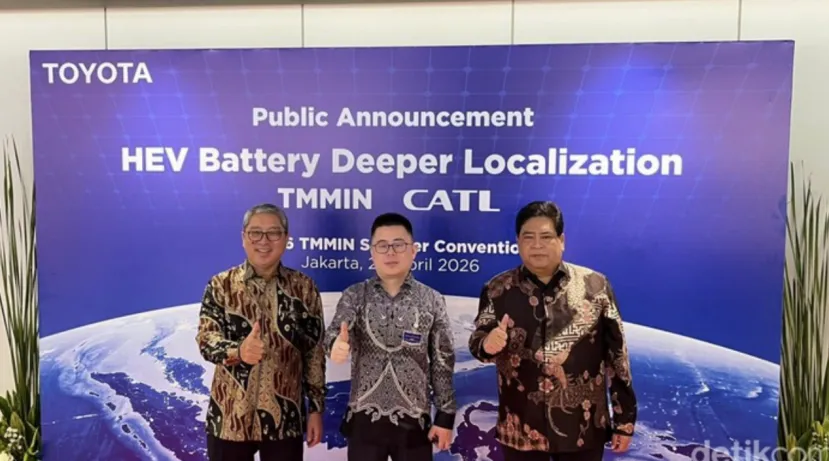
Toyota Indonesia Partners with CATL to Invest in Battery Industry
Toyota's Indonesian subsidiary recently announced a joint investment with Chinese power battery giant CATL of 1.3 trillion rupiah (equivalent to US$76 million) to advance localized battery R&D and production in Indonesia. This collaboration will accelerate Toyota's new energy industry chain in Indonesia, with plans to start battery export operations in the second half of 2026. Toyota Motor Manufacturing Indonesia stated in an official announcement that future exports will include not only battery packs for hybrid vehicles but also battery modules and cells as standalone components, though specific target export markets have not yet been disclosed.
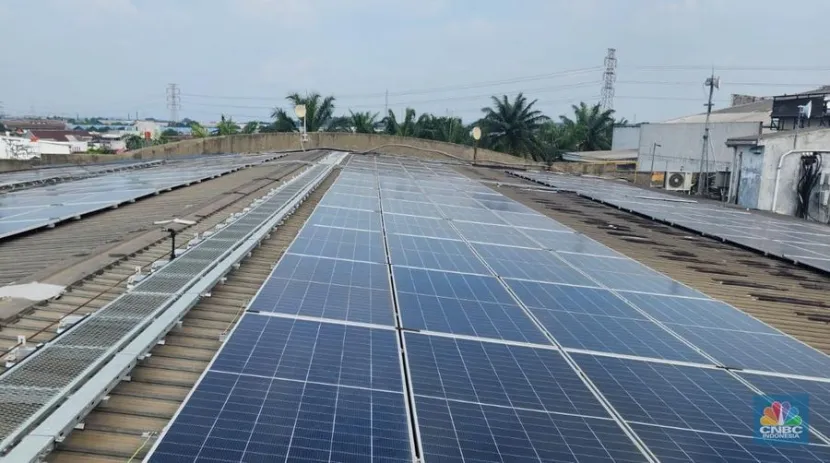
US High Tariffs Hinder Indonesian Solar Panel Exports
A member of Indonesia's National Energy Council recently revealed in Jakarta that Indonesia currently has a massive production capacity of 11 GW of solar panels annually, of which approximately 5 GW comes from domestic planned capacity and another 6 GW from production lines originally intended for export. However, due to the high import tariff policy imposed by the United States, Indonesia's photovoltaic product exports have been severely hindered, with a large amount of products facing inventory backlog, and the local photovoltaic industry is facing severe challenges. Previously, Indonesia exported a large number of photovoltaic modules to the US and other markets every year, but now the US has imposed high tariffs of 80% to 120% on imported solar panels, effectively forming a trade
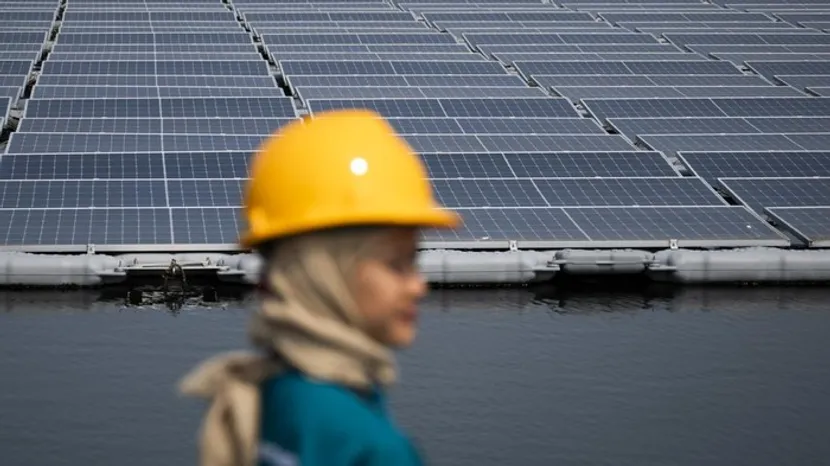
Indonesia Plans to Build Floating Solar Power Plants on Reservoir Surfaces
The Ministry of Energy and Mineral Resources is jointly conducting a reservoir survey and planning with the Ministry of Public Works, aiming to vigorously develop floating solar photovoltaic power plants (PLTS apung) on reservoir surfaces to accelerate the achievement of the national strategic target of 100 GW total solar installed capacity. The Director General of New Energy, Renewable Energy, and Energy Conservation at the Ministry of Energy and Mineral Resources stated at the recent launch ceremony of Indonesia's 1 GW rooftop solar program that, according to preliminary calculations, if 20% of the water surface area of reservoirs under construction and existing reservoirs managed by the Ministry of Public Works were developed for floating solar, it could add more than 15 GW of solar photovoltaic capacity, becoming an important pillar for Indonesia to achieve its solar target.
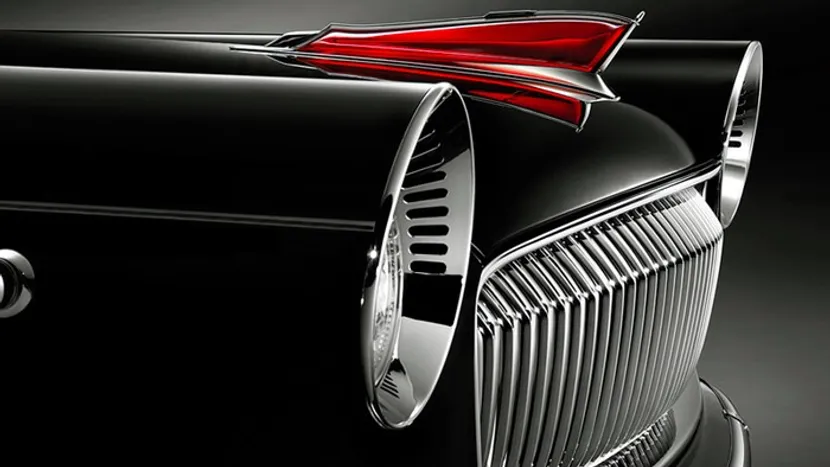
Hongqi and Leapmotor to Launch in Indonesia Consecutively This Year
One of Indonesia's largest automotive groups, Indomobil Group, recently announced that it will introduce two major Chinese automotive brands — Hongqi and Leap Motor — in 2026, formally entering the Indonesian automotive market. Among them, Hongqi, as the brand used for China's national leader's vehicles, has attracted significant attention. A director of Indomobil Group confirmed in Guangzhou that both brands are currently in the local testing and product certification (homologasi) stage in Indonesia, with relevant administrative procedures underway. According to the plan, Hongqi will be the first to launch in
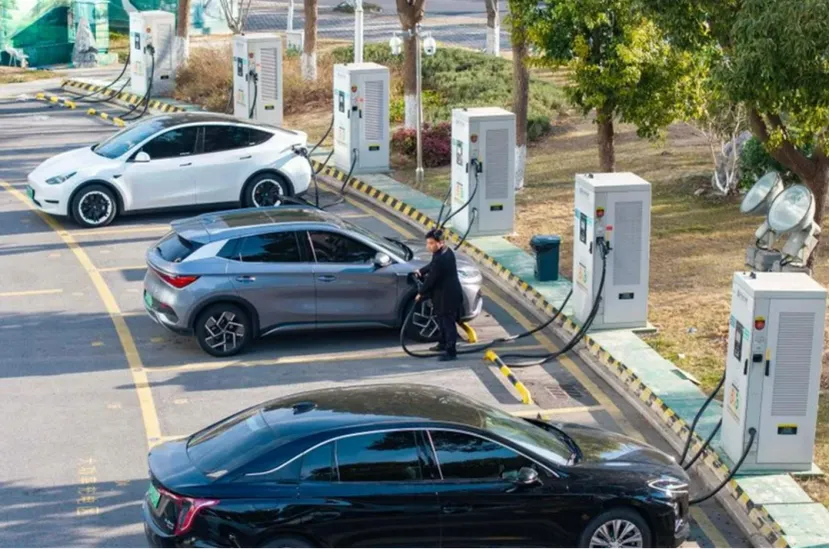
Chinese Cars Rise in Indonesia with High Cost-Effectiveness and Rich Features
An automotive expert from the Bandung Institute of Technology pointed out that highly competitive pricing and comprehensive features are the core advantages of Chinese brand cars in attracting Indonesian consumers, and also the key reasons for their continuously rising market share. Within the same price range, Chinese cars are generally equipped with far more abundant features than their competitors, including Advanced Driver Assistance Systems (ADAS), large central control screens, panoramic sunroofs, and modern exterior and interior designs, which are rarely seen in other brands at the same price point. He believes that Chinese automakers are generally able to apply the latest technology to mass-produced models faster than their competitors, with a clear advantage in product iteration speed
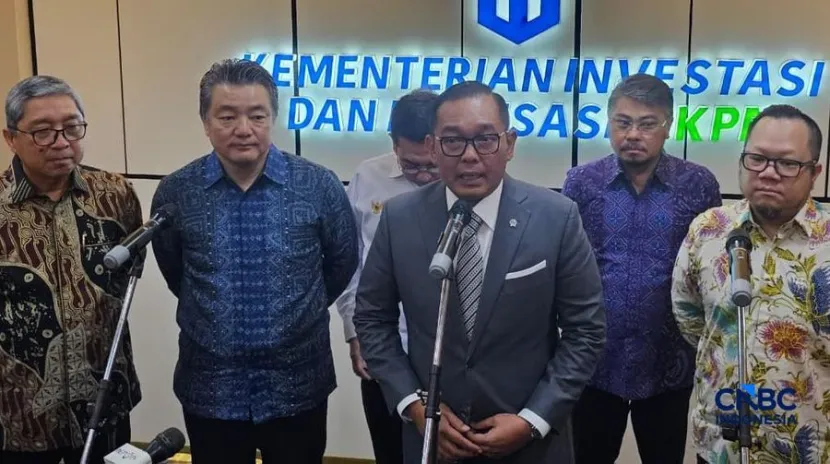
Indonesia's Pertamina and Toyota Partner to Build Bioethanol Plant
Indonesia's Deputy Minister of Investment and Downstream Industry, who also serves as Deputy Head of BKPM, recently announced that the state-owned oil company's New and Renewable Energy subsidiary (Pertamina NRE) will cooperate with the Toyota Group to build a second-generation bioethanol production plant in Indonesia, supporting the government's mandatory green energy blending policy. The project aims to implement the National Strategic Plan, which mandates a 10% bioethanol blending ratio (E10) in gasoline by 2028 at the latest. The two parties will adopt second-generation (2G) multi-feedstock bioethanol technology, fully utilizing local resources such as oil palm biomass,