

Jakarta-Bandung High-Speed Railway Operations to Be Fully Taken Over by Indonesian Government
The Minister of Finance recently confirmed that the Indonesian government will officially take over the operations of PT KCIC, the Indonesia-China joint venture operating the Whoosh Jakarta-Bandung High-Speed Railway. The matter is basically settled, with only formal legal and administrative procedures remaining. He told media at the Jakarta Presidential Palace complex that the takeover plan for KCIC is clear and definite, but due to the involvement of multiple parties, specific details are temporarily not for public disclosure and will be announced by relevant parties at an appropriate time. He emphasized that core takeover arrangements have been agreed upon, and only follow-up procedures need to be completed. Meanwhile, the Indonesian State-Owned Enterprise Asset Management Agency (BP BUMN)
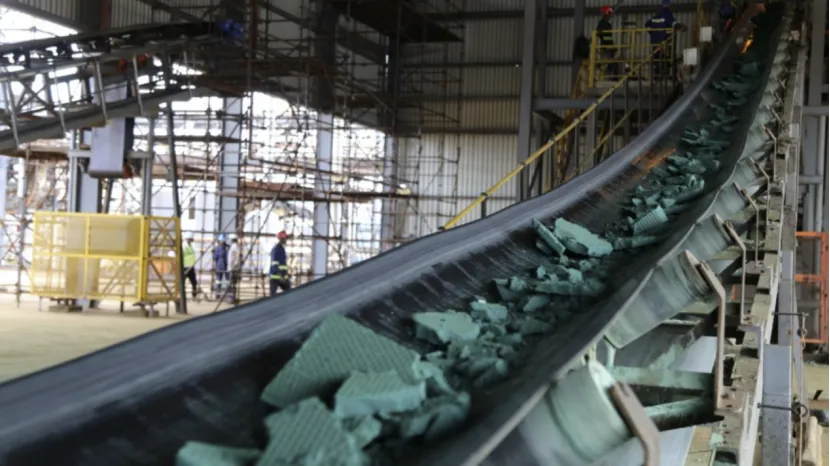
New Regulation on Indonesian Nickel Ore Benchmark Price Sparks Industry Opposition
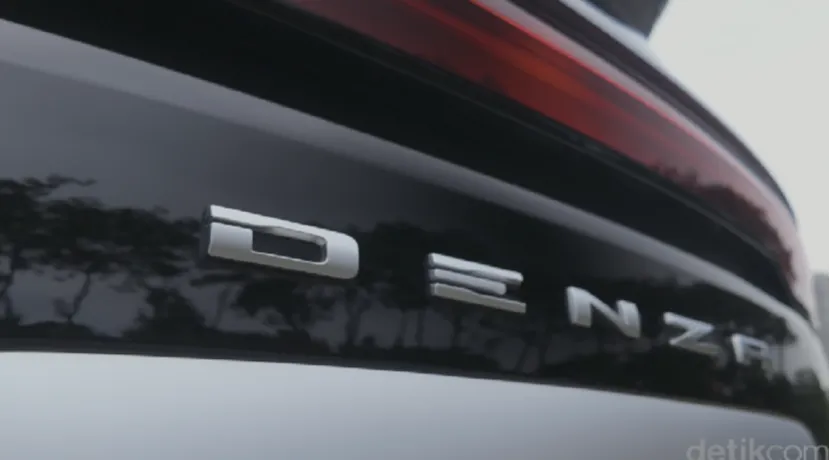
BYD Has Registered Danza as Its Denza Trademark in Indonesia
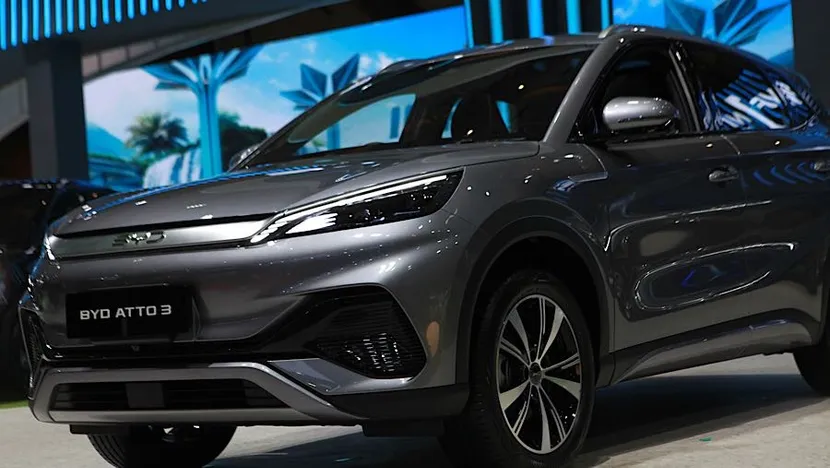
Indonesia's Q1 Pure Electric Vehicle Sales Soar 95.9%

Indonesia Advances Solar PV Plants to Reduce Fuel Dependence
Indonesia State-owned Mining Company Posts Impressive 2025 Fiscal Year Performance
Indonesia's state-owned mining holding company, MIND ID, achieved solid financial performance in 2025 despite global geopolitical tensions and macroeconomic pressures. The company's consolidated financial audit for 2025 is still ongoing. During a recent hearing with the House of Representatives Commission, MIND ID's President Director announced preliminary results: net profit reached IDR 29 trillion, exceeding the target by 13%; revenue was IDR 159 trillion, surpassing the target by 4%; EBITDA was IDR 42 trillion, 3% above target. He stated that these results were achieved amid complex external challenges through optimized operational efficiency and strict cost control.
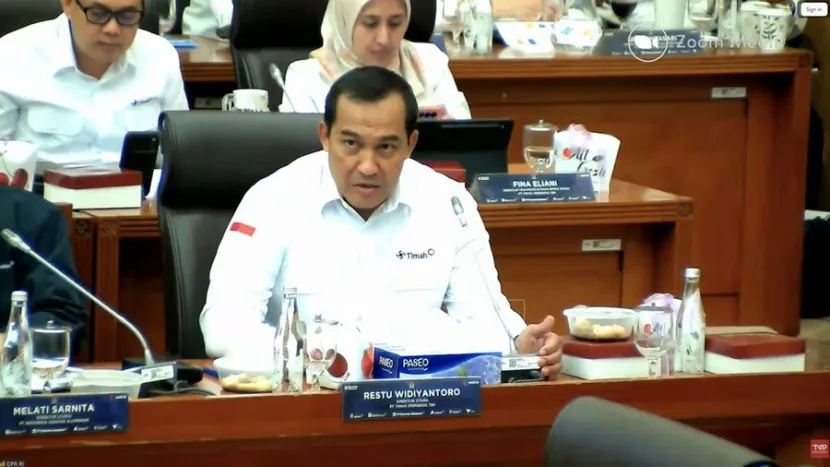
Indonesia Rare Earth Processing Plant to Break Ground on May 20, 2026, Led by President Prabowo
Indonesia's state-owned tin company (PT Timah/Persero Tbk, stock code TINS) announced that the groundbreaking ceremony for Indonesia's rare earth (LTJ) processing plant will be held on May 20, 2026. The project is being built under the direction of President Prabowo, and upon completion, it will help Indonesia occupy an important position in the global rare earth supply chain, which is in short supply. The President Director of PT Timah revealed during a hearing with the House of Representatives Commission XII that the project will be carried out in collaboration between PT Timah and Perminas.
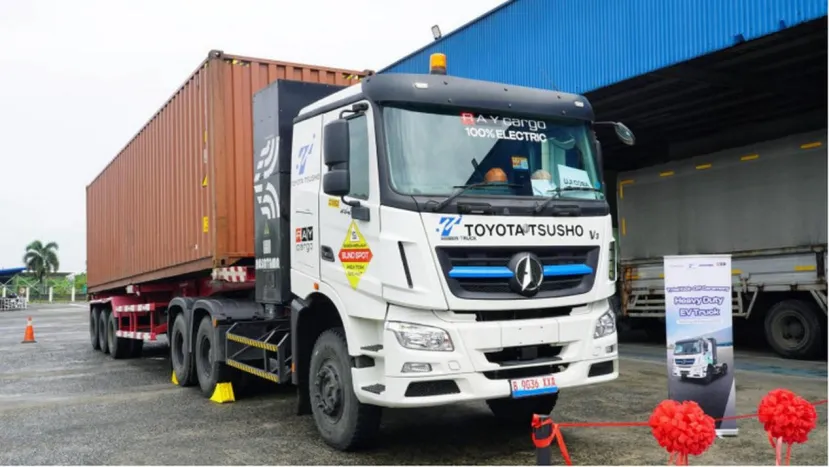
Indonesia's Electric Truck Transformation Faces Multiple Challenges, Talent Shortage Becomes Bottleneck for Widespread Adoption
The Indonesian government is continuously promoting the electrification of various vehicles including passenger cars, buses, and trucks. However, in the core logistics sector of trucks, the push for electrification still faces numerous practical obstacles, making rapid adoption difficult. Currently, the truck usage structure in Indonesia's logistics industry is extremely outdated, becoming a prominent issue on the path to energy transition. The General Chairman of the Indonesian Truck Entrepreneurs Association (Aptrindo) stated that there are approximately 6.4 million operational trucks nationwide, of which a very small proportion are in good serviceable condition. Data shows that about 65% of trucks have been in use for over 20 years, and some have even been operating for more than 40 years.
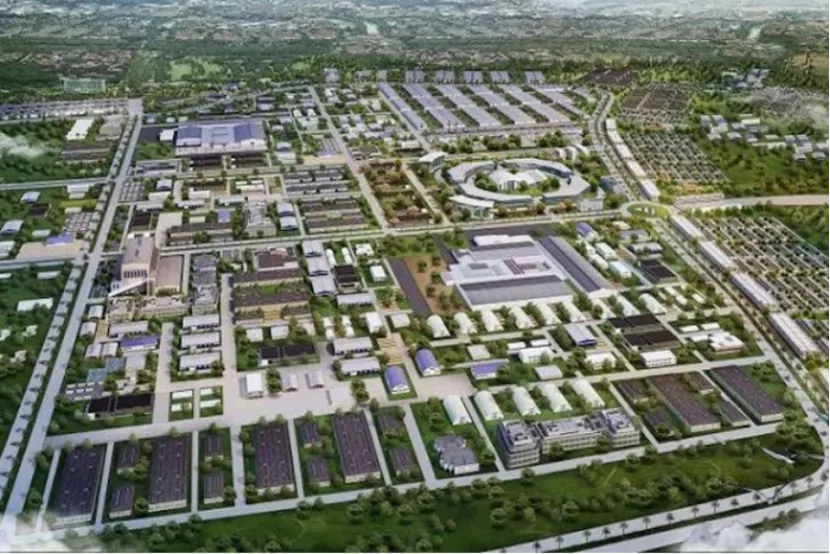
Middle East Conflict Drives Industrial Relocation to Indonesian Industrial Zones
Due to the ongoing escalation of geopolitical conflicts in the Middle East, many multinational corporations are seeking more stable regions as alternative destinations for production relocation and business expansion. Multiple industrial estates in Indonesia are actively seizing this investment opportunity to attract more international capital. Industry insiders generally believe that this trend provides a strategic opportunity for Indonesia to enhance its investment appeal in manufacturing and downstream processing industries. Local industrial estates are also accelerating improvements in capacity and service levels to proactively accommodate potential industrial transfers. Business circles and industry figures point out that Indonesia possesses multiple advantages for attracting investment.
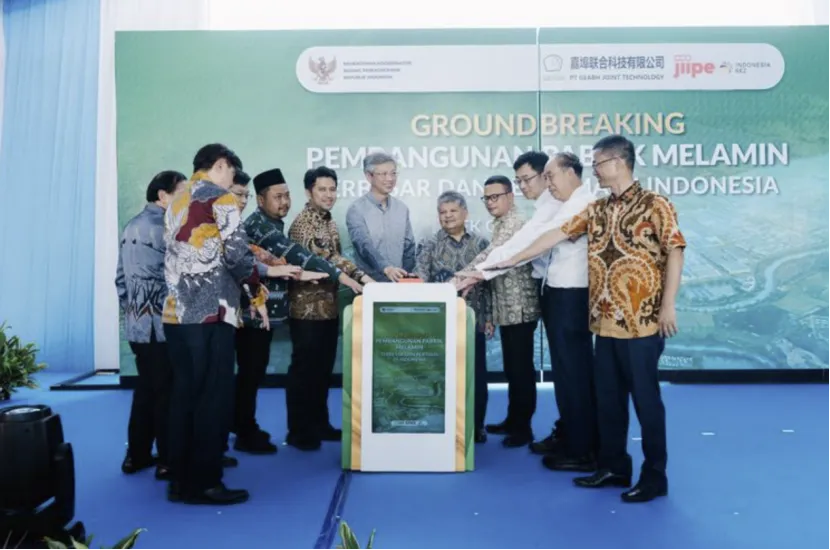
Chinese Enterprise to Build World-Class Melamine Plant in Indonesia
The project to build a melamine plant in the Gresik JIIPE Integrated Industrial and Port Special Economic Zone in Indonesia is considered to significantly strengthen the national chemical industry structure and promote the development of local low-carbon emission industries. The project is developed by Golden Elephant Group (GEABH), with a total investment of approximately USD 600 million, equivalent to around IDR 10.25 trillion. Once completed, it will become one of the world's largest melamine production facilities, adopting an integrated whole industry chain design from upstream to downstream, using natural gas as raw material to sequentially produce ammonia, urea, and finally melamine. The Coordinating Minister for Economic Affairs stated in an official statement that the project is an important part of Indonesia's strategy to enhance the added value of local resources and strengthen industrial competitiveness.
Indonesia Plans to Include Nickel By-Products in Base Price Calculation
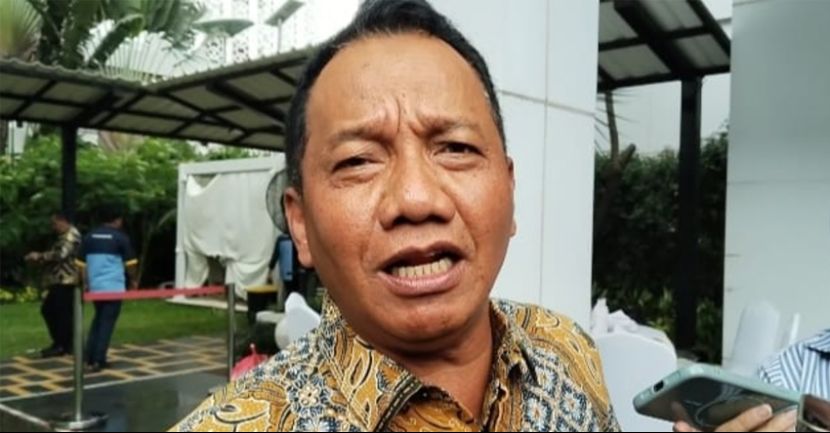
The Ministry of Energy and Mineral Resources plans to include by-product minerals generated during nickel mining—such as cobalt and iron—into the calculation scope of the Mineral Base Price (HPM), in order to clarify the economic value of by-product resources and drive an overall increase in mineral reference prices. The Director General of Minerals and Coal at the Ministry stated in Jakarta that this adjustment is in response to a proposal from the Indonesian Nickel Miners Association (APNI), by reasonably valuing by-product minerals like cobalt and iron and incorporating them into the pricing formula, thereby raising the overall mineral reference price. He emphasized that the focus of this reform is on modifying the pricing calculation formula, not on adjusting the frequency of price announcements. Currently, Indonesia's mineral reference price
Surging Textile Raw Material Prices in Indonesia Lead to Higher Garment Costs
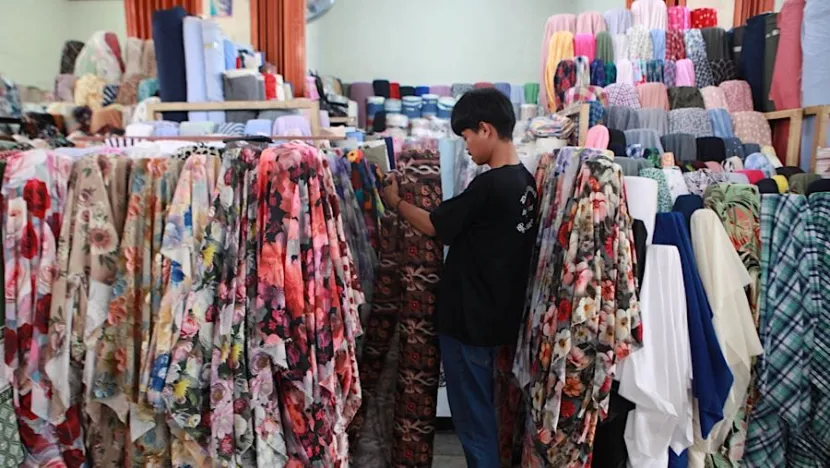
The ongoing escalation of geopolitical conflicts in the Middle East has led to a sharp rise in international oil prices, directly impacting the upstream and downstream supply chains of Indonesia's textile industry, with strong concerns expressed about the sustainable business outlook. As petrochemical products, the core raw materials for the textile industry, rapidly rise in price, enterprises face soaring production cost pressures, which will gradually be passed on to the end market, triggering comprehensive price increases for garments and retail products. The chairman of the Indonesian Association of Synthetic Filament Producers (APSyFI) stated that the current price of paraxylene, the main raw material for polyester, has reached US$1,300 per ton, a sharp increase of approximately 40% from two weeks ago.