
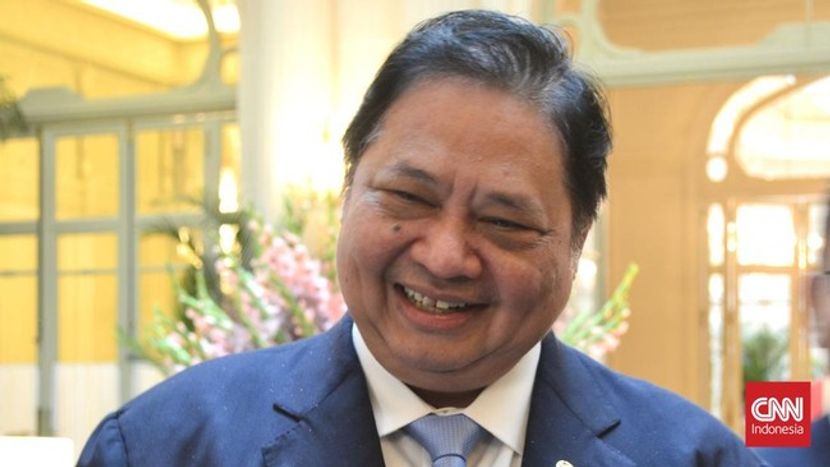
Indonesia Suspends EV Incentives Next Year
The Coordinating Minister for Economic Affairs recently announced that electric vehicle incentives will not be extended to 2026, and the related budget will be redirected to the national car program to revitalize the domestic automotive industry and attract automaker investment. The incentive allowed imports of completely built-up (CBU) units to enjoy zero import duty (previously 50%). Since its launch in February 2024, six companies have participated. These six companies include BYD, VinFast, Geely, XPeng, National Assemblers (including Aion, Citroën, Maxus, Volkswagen), and Inchape.

Indonesia-US Trade Agreement Talks Hit Obstacles
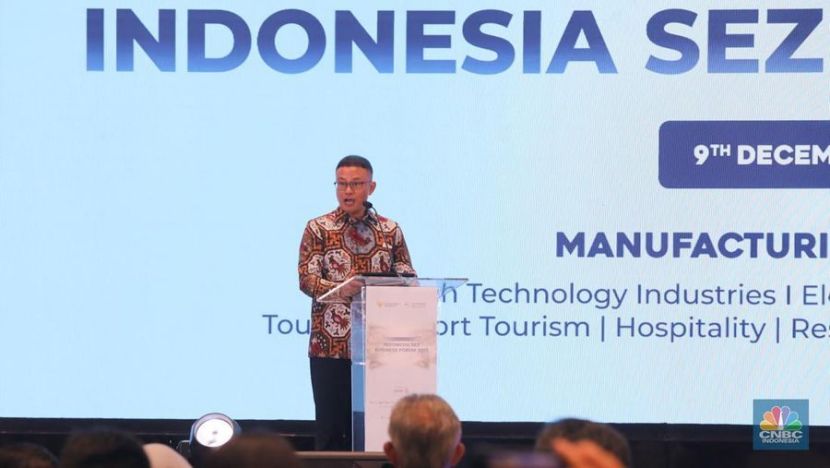
Indonesia Plans to Add Six New Special Economic Zones Next Year
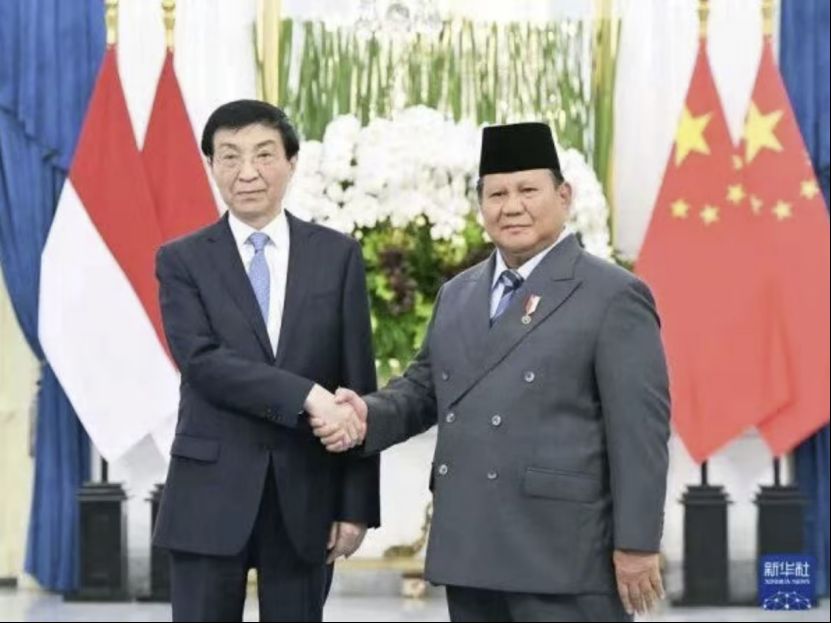
CPPCC Chairman Makes Official Goodwill Visit to Indonesia
Indonesia Implements Electronic Certificate of Origin to Prevent Illegal Imports
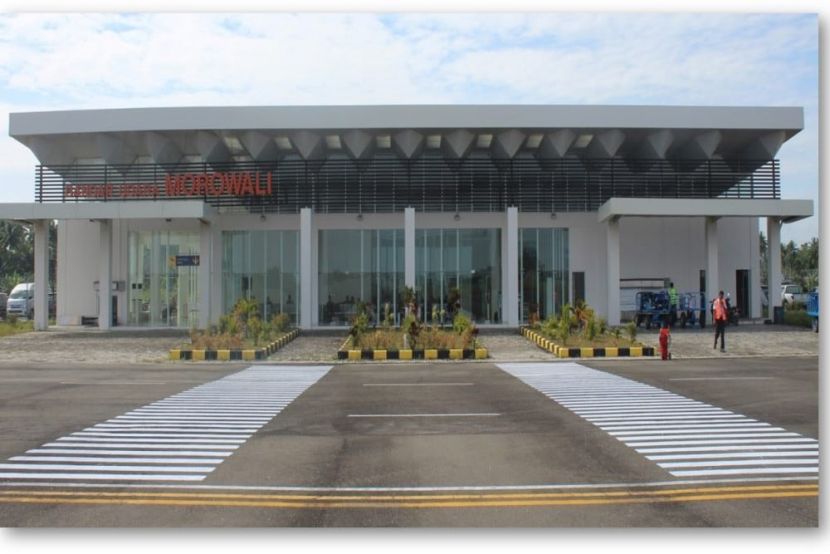
Morowali and Weda Bay Airports Stripped of International Status
The Ministry of Transportation, through Ministerial Decree Number 55 of 2025, has revoked the international status of the Morowali Industrial Park (IMIP) Airport and the Weda Bay Airport in Central Halmahera, North Maluku Province. The decree was signed by the Minister of Transportation on October 13, 2025, and announced on November 28, 2025. Upon the new regulation coming into effect, Ministerial Decree Number 38 of 2025 (which designated IMIP, Weda Bay, and Sultan Syarief Haroen Setia Negara Airport in Pelalawan, Riau Province as temporary limited international airports), issued on August 8, 2025, was repealed.
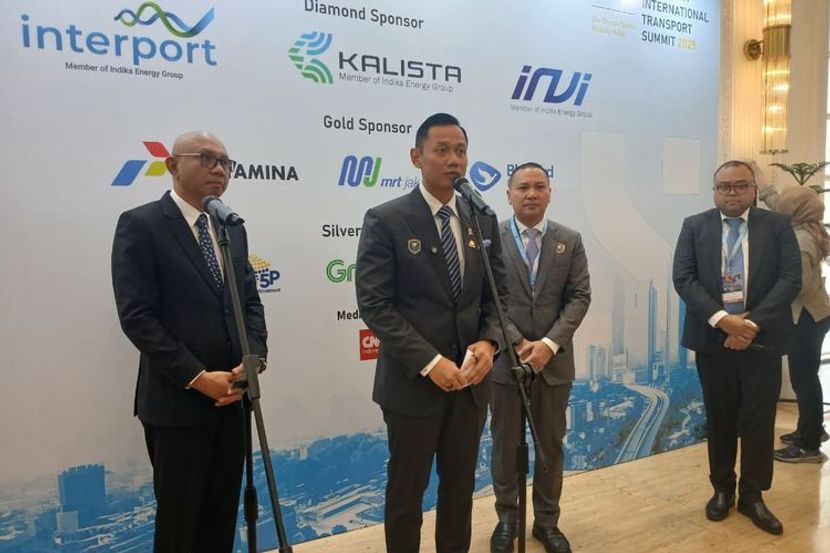
Indonesian Government Plans to Improve National Transport Infrastructure
Indonesia has set ambitious goals for national infrastructure and connectivity. The Coordinating Minister stated at the 2025 Transport Summit that connectivity is not just about physical construction but reflects the nation's commitment to leaving no region behind. Targets include: expanding urban public transport networks from 6 cities in 2023 to 20 cities by 2030; and increasing the railway network from 6,880 km to 12,100 km by 2030. Additionally, roads will increase from 50,064 km in 2023 to 86,206 km by 2040; port capacity from 72 locations in 2020 to 142 by 2030; and logistics cost as a percentage of GDP will drop from 14.29% in 2022 to 8% by 2045, covering Java, Sumatra, Kalimantan, Sulawesi, and Papua.
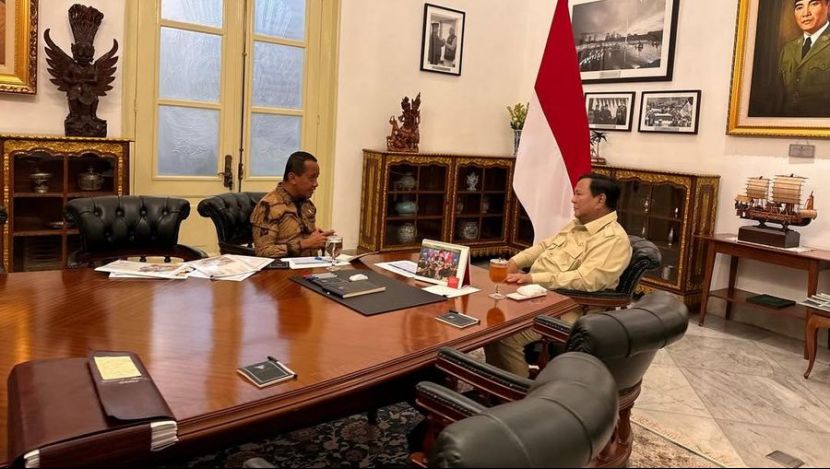
Indonesia Issues New Regulations on Rare Earth Metals
The Minister of Energy and Mineral Resources recently signed Ministerial Regulation No. 18 of 2025, implementing Government Regulation No. 39 of 2025 (amending Government Regulation No. 96 of 2021), governing the management of rare earth elements (LTJ) and other metal minerals. The regulation stipulates that the Minister, based on the geological agency's study and survey results on rare earth metal potential, determines areas that can be designated as rare earth metal mining concession areas, and may appoint state-owned enterprises to develop and utilize rare earth metals, prioritizing them for the development of domestic priority industries. State-owned enterprises must comply with all central government business licensing requirements.
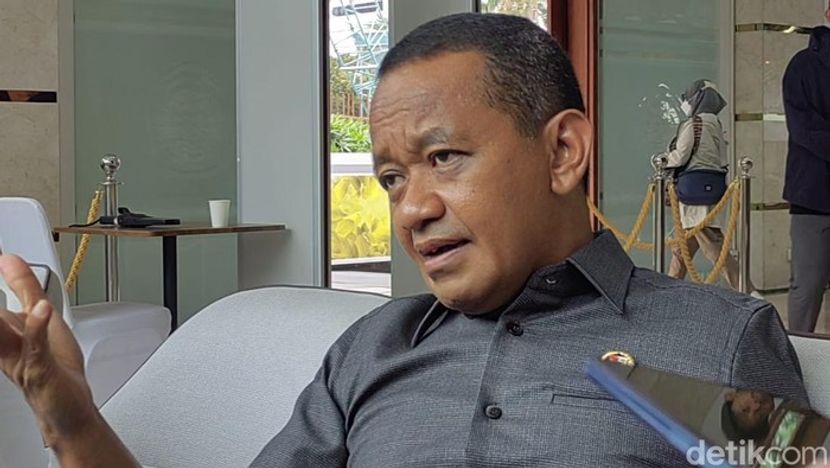
Individuals and Cooperatives in Indonesia Can Apply for Mining Permits
The Minister of Energy and Mineral Resources recently signed Ministerial Regulation No. 18 of 2025, which serves as the basis for local governments to manage Community Mining Permits (IPR), applicable to individuals and cooperatives. The regulation stipulates that the Community Mining Area (WPR) is part of the provincial mining area, proposed by the governor based on provincial mining plans, local unlicensed mining activities, and other factors, while also considering environmental carrying capacity and spatial planning. The WPR only allows the extraction of primary metals at specific depths or secondary minerals from rivers and riverbanks, with each block not exceeding 100 hectares in area. The governor determines the WP
Quartz Sand Mining Permit Approvals to Be Centralized Under Indonesian Central Government
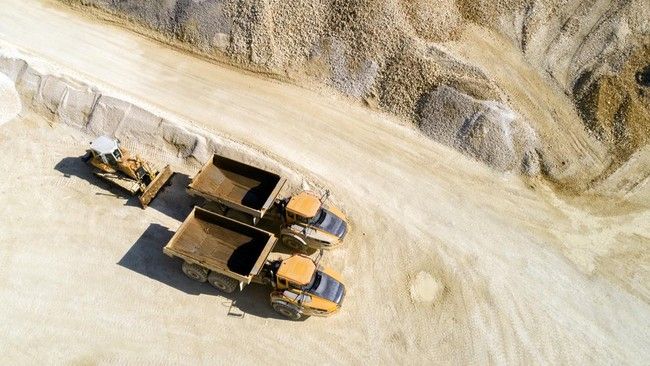
After inspecting illegal mining activities in Bangka Belitung, the Minister of Energy and Mineral Resources recently stated that all quartz sand mining permits will be taken back under central government control. Previously, a special task force discovered illegal mining operations in Bangka Belitung, estimated to have caused state losses of IDR 12.9 trillion. Originally, mining permits for quartz sand, minerals, and coal were managed by the central government. However, in 2022, former President Joko Widodo issued Presidential Regulation No. 55 of 2022, which delegated the authority to approve mining permits for minerals including quartz sand to local governments. In Lubuk Besung and Lubuk
Indonesia Tightens Nickel Smelter Permits, Potentially Boosting Prices and Efficiency
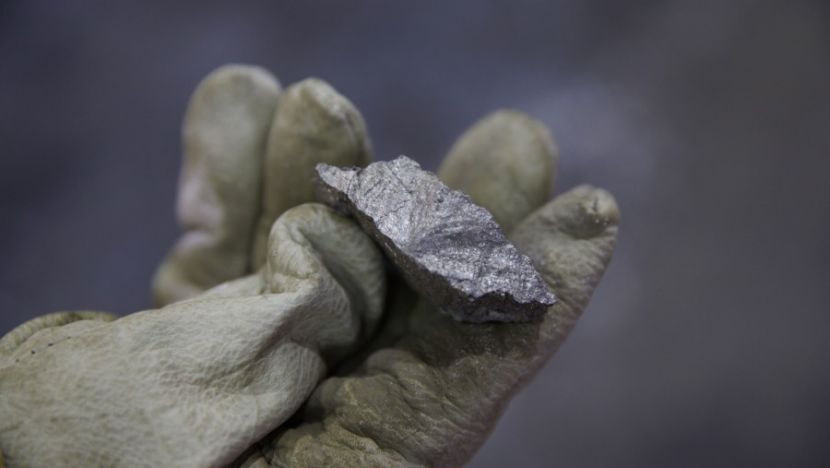
The Indonesian Nickel Miners Association (APNI) believes that Indonesia's restrictions on new nickel smelter investments and issuance of Industrial Business Licenses (IUI) could help push up global nickel prices, but uncertainty remains, and companies must be prepared for prices not rising as expected. An APNI advisory board member noted that the smelter suspension policy in Indonesia could lift global nickel prices, but there is no absolute guarantee due to various factors. Companies should incorporate Indonesia's policy as a trigger event into their 2025-2030 roadmaps, analyses, and industrial strategic plans. The current nickel price is around $15,075.
Indonesia Restricts Investment in New Nickel Intermediate Product Smelters
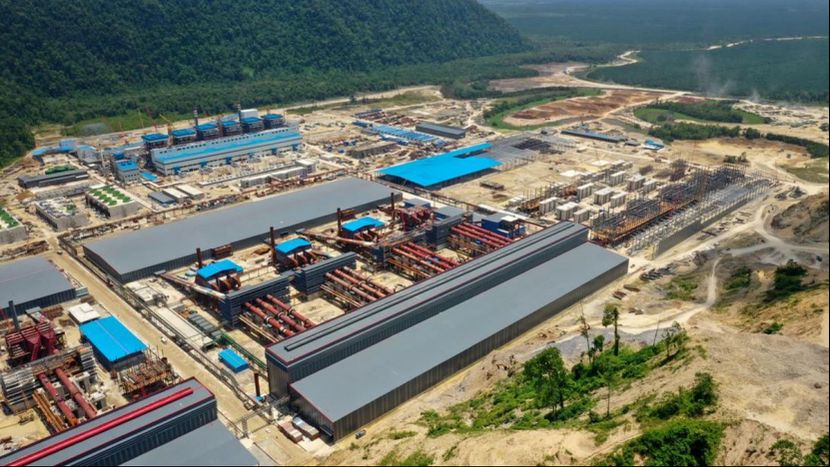
President Prabowo recently signed Government Regulation No. 28, which governs risk-based business licensing. The policy restricts investment in new nickel smelter projects that are specifically designed to produce nickel intermediate products (such as nickel matte, mixed hydroxide precipitate MHP, ferronickel FeNi, and nickel pig iron NPI), potentially affecting related planned projects after 2027. The regulation requires nickel smelting companies to commit to advancing deep processing and not stop at nickel ore intermediate products. Companies using pyrometallurgical technology must submit a statement that they will not produce NPI, FeNi, and nickel matte; those using hydrometallurgical or high-pressure acid leaching (H