
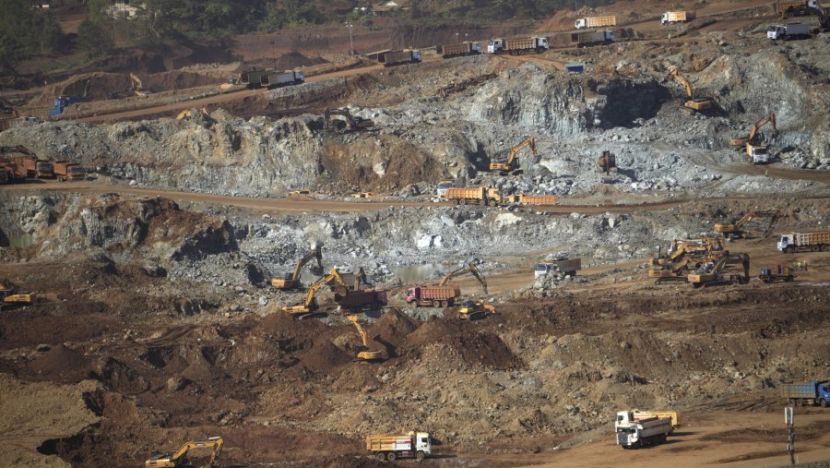
Indonesia Restricts New Nickel Smelter Construction to Address Oversupply
The Ministry of Energy and Mineral Resources supports the Ministry of Industry's policy to restrict investment permits and Industrial Business Licenses (IUI) for new nickel smelters, as global and domestic nickel supply has become oversupplied. The ESDM Minister stated that the 2026 nickel production target and quota will be adjusted, with output potentially dropping from 319 million tons in 2025 to below 300 million tons. The Ministry of Industry's new regulation prohibits new independent smelters from producing intermediate products (such as nickel matte, MHP, ferronickel, and nickel pig iron), requiring a shift toward downstream products (such as electrolytic nickel, nickel sulfate, and nickel chloride). However, smelters already under construction may still produce intermediate products.
Danantara to Complete Investment Studies for Battery and Other Projects in December

Chinese Ambassador to Indonesia Publishes Signed Article Reaffirming Stance on Taiwan Issue

Indonesia Implements New Policy on Paid-Up Capital for Foreign Invested Enterprises
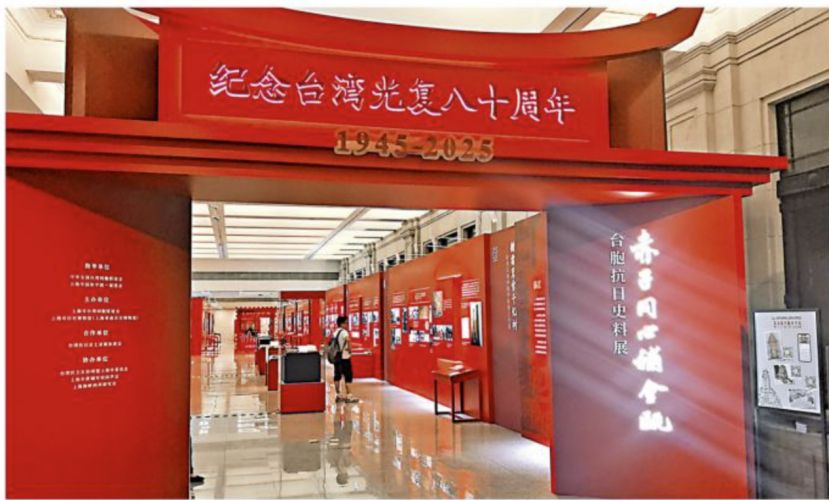
Chinese Embassy in Indonesia Holds Symposium Commemorating 80th Anniversary of Taiwan's Retrocession
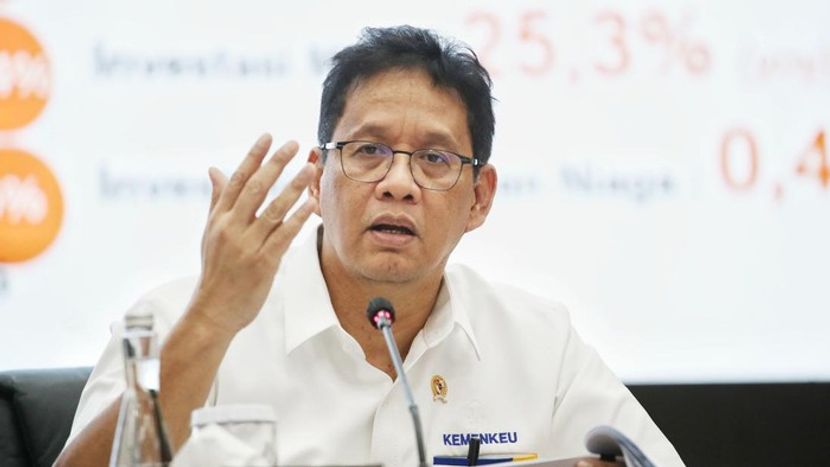
Indonesia Imposes Three-Year Safeguard Tariff on Imported Cotton Yarn
The Minister of Finance recently signed a regulation imposing a temporary safeguard tariff (BMT) on imported cotton yarn products. This policy aims to protect the domestic textile industry from the impact of import surges. The tariff applies to cotton yarn under HS codes 5204, 5205, and 5206. The rate is IDR 7,500/kg in the first year, IDR 7,388/kg in the second year, and IDR 7,277/kg in the third year. Exemptions apply to 120 developing member countries of the World Trade Organization (WTO) (subject to certificate of origin). The Indonesian Trade Safeguards Committee has found that the surge in cotton yarn imports has caused serious injury to the domestic industry.
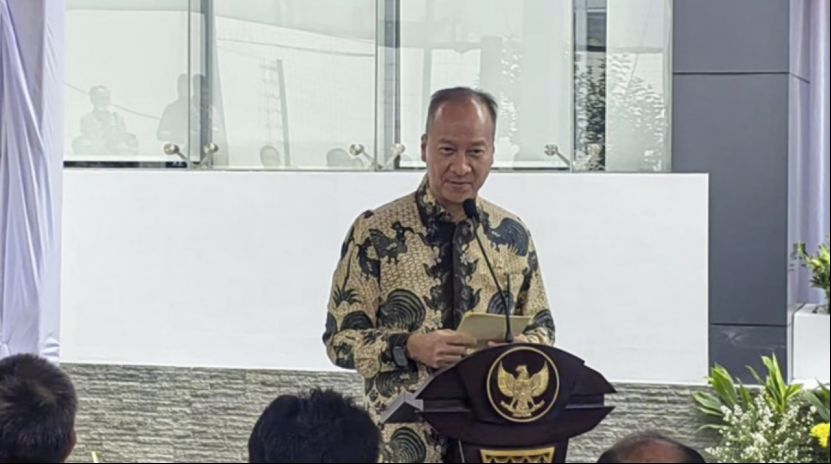
Indonesia's Ministry of Industry Issues New Regulation on Local Content Level
The Ministry of Industry recently officially issued Ministerial Regulation No. 35 of 2025, comprehensively reforming the calculation and certification mechanism for Domestic Component Level (TKDN). The new regulation will take effect on December 12, 2025, replacing the old regulations of 2011 and 2022, aiming to enhance the competitiveness of the domestic manufacturing industry and attract investment. Core reform measures include: manufacturing investment of more than 25% can obtain TKDN bonus points; R&D activities can receive up to 20% additional points; simplification of Business Benefit Weight (BMP) standards, adding 15 optional indicators; SMEs are allowed to adopt \"
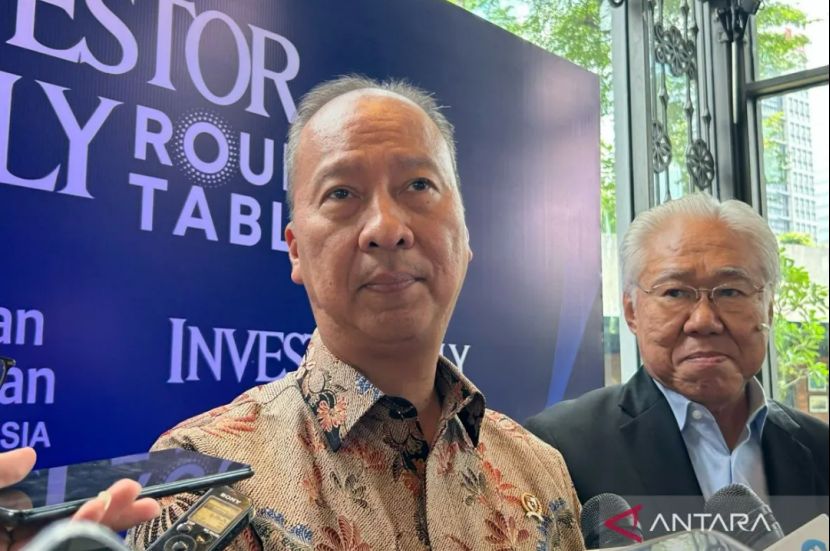
Indonesia to Issue New Industrial Radiation Monitoring Regulations
The Minister of Industry recently announced that the government is formulating new regulations requiring industrial zones and factories nationwide to submit regular radiation monitoring reports, in response to the previously discovered cesium-137 (Cs-137) radioactive contamination incident in the Cikande Industrial Zone, Banten Province. Key points of the new regulations include mandatory quarterly reports: enterprises must submit Radiation Portal Monitoring (RPM) data every three months through the National Industrial Information System (SIINas). At the same time, enterprises can choose to purchase their own testing equipment or entrust a third-party agency to complete the testing; the goal is to ensure the safety and quality of export products and maintain international trust in Indonesian industry.

Indonesia Offers 60 Oil and Gas Blocks to Global Investors
The Special Task Force for Upstream Oil and Gas Business Activities (SKK Migas), under the Ministry of Energy and Mineral Resources, recently announced it will offer 60 oil and gas blocks for tender to attract global investors and support Indonesia's vision of energy self-sufficiency. These 60 oil and gas blocks, located across various regions of Indonesia, cover both onshore and offshore areas with different resource potential and development conditions. The opening of these blocks aims to bring in more international advanced technology and capital, improve Indonesia's oil and gas exploration and development efficiency, and tap into potential energy reserves. Ministry of Energy and Mineral Resources

Travelers Entering Indonesia Still Subject to Inspection After Declaring Items
The Indonesian customs authority has clarified that even if travelers' baggage items have been registered in the All-Indonesia system, inspections will still be conducted. During the entry and exit process of passengers, baggage inspection is an important part of customs work. The All-Indonesia system registration aims to improve clearance efficiency and facilitate faster passage for travelers, but this does not mean that registered baggage is exempt from inspection. The Indonesian customs stated that baggage inspection is based on multiple considerations. On one hand, this is to ensure that the items carried by travelers comply with Indonesian laws and regulations, including provisions on prohibited and restricted imports and exports.
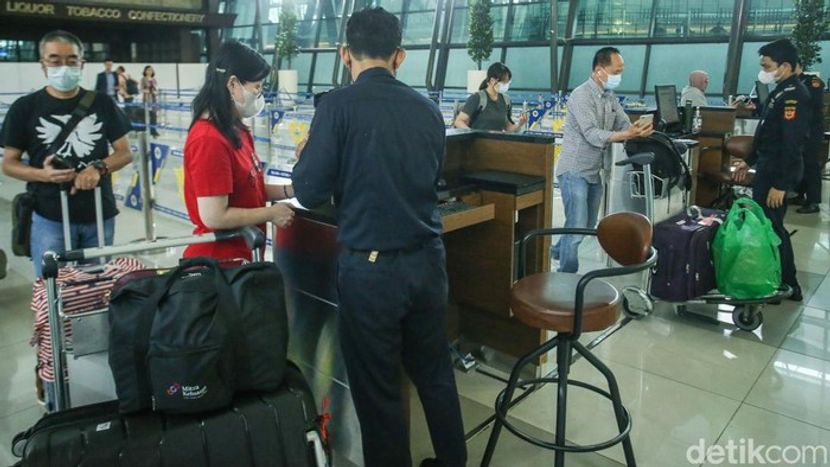
Indonesia Implements All Indonesia Entry Declaration from October 1
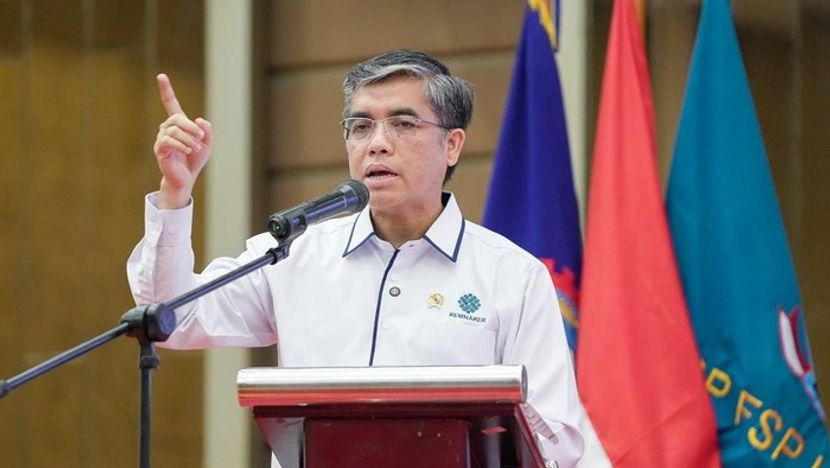
Indonesia Requires Enterprises to Comply with Job Vacancy Reporting Regulations
The Minister of Manpower recently required enterprises to comply with job vacancy reporting regulations. According to Presidential Regulation No. 57 of 2023 (Perpres 57/2023), all enterprises must report job vacancies through the government platform Karirhub (SIAPKerja application). Enterprises are required to report the status of filled positions after recruitment is completed, and they are also allowed to post information synchronously through government-certified private recruitment platforms. The Ministry of Manpower will implement phased compliance audits starting in 2026. Non-compliant enterprises will face administrative sanctions (e.g., restrictions on labor services); compliant enterprises may receive