


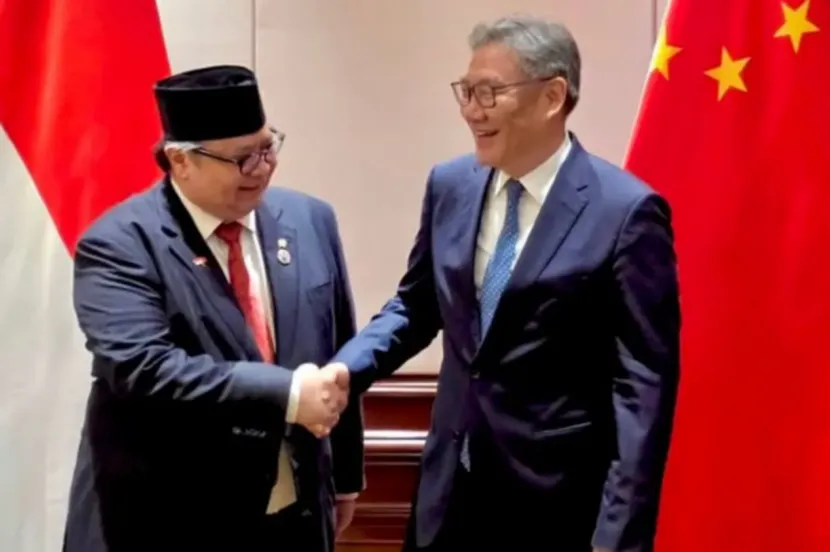
中印加速37.1万亿双园合作项目落地
印尼经济统筹部长日前在上海与中国商务部部长举行双边会谈,聚焦推进中印“两国双园”(TCTP)合作落地、升级双边经贸关系、拓展新...
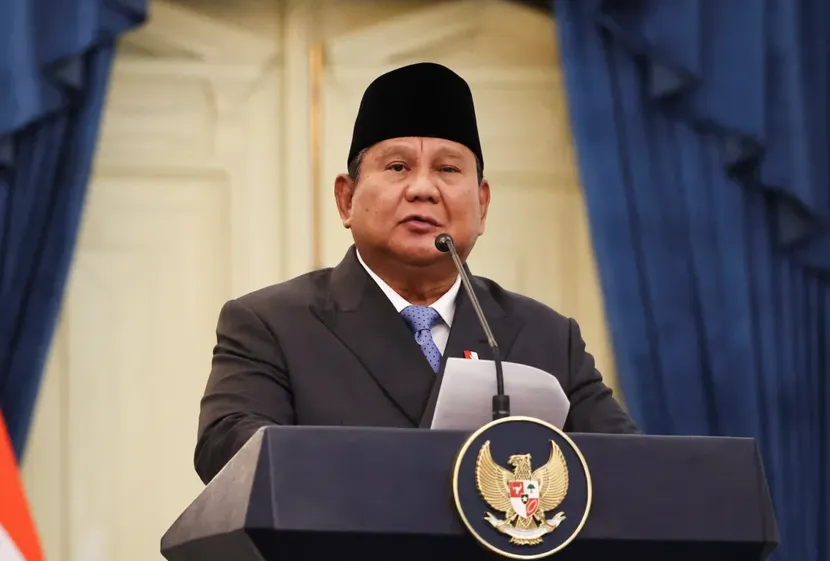
媒体坚信中印良好合作持续上升态势不变
印尼总统普拉博沃早前在第79届全国合作社日庆典上表示,印尼人天性好客,家中即使没有咖啡和糖,也会向邻居借来招待客人;但“有...
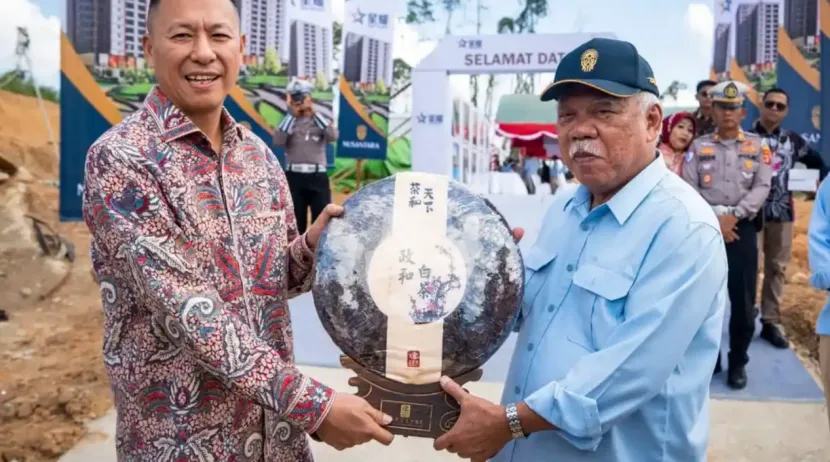
中企1.25万亿新都综合项目正式动工
rnrn印尼努山塔拉新首都(IKN)建设日前迎来重要投资里程碑。中国外资企业PT Star Bright International Investment正式启动当地综合园区项目施工,这也是新首都落地的首个外资自建施工项目,总投资高达1.25万亿盾,预计将于2026年底全面完工,为新首都建设注入强劲外资动能。该项目坐落于新首都政府核心区1B分区核心地段,占地15501平方米,区位战略价值极高。新首
中企六亿布局印尼数字智慧产业园
rnrn恒通物流股份日前发布重大对外投资公告,公司计划投入不超过6亿元人民币,在印尼宾坦岛建设数字智慧产业园。项目业务覆盖智慧物流园区运营、数据存储处理与设备租赁、信息系统集成及数字化配套服务,建设周期为12个月,目前项目正处于可行性研究报告编制阶段。rnrn此次海外布局标志着恒通股份正式从传统实体物流赛道,向“数据+运营”一体化数字化生态转型升级。市场分析指出,该项目业务高度贴合智慧物流与数字基
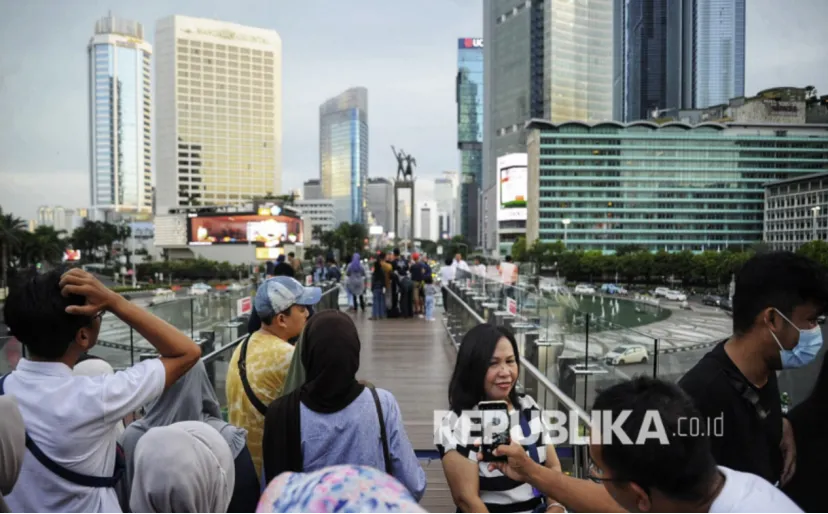
印尼商业地产迎来中企长期增量需求
rnrn受“中国+1”全球布局战略驱动,大量中企寻求海外新建生产与运营基地,东南亚成为核心布局区域,仲量联行(JLL)印尼区负责人指出,印尼具备承接中企海外扩张的巨大潜力,将持续带动本地工业用地、物流仓储、写字楼等各类商业地产需求上涨。仲量联行发布最新《向外蓬勃发展:中国企业全球化不动产策略》调研报告,数据显示97%的中国企业将海外扩张列为核心经营战略,但出海落地普遍遭遇各类难题。rnrn82%企
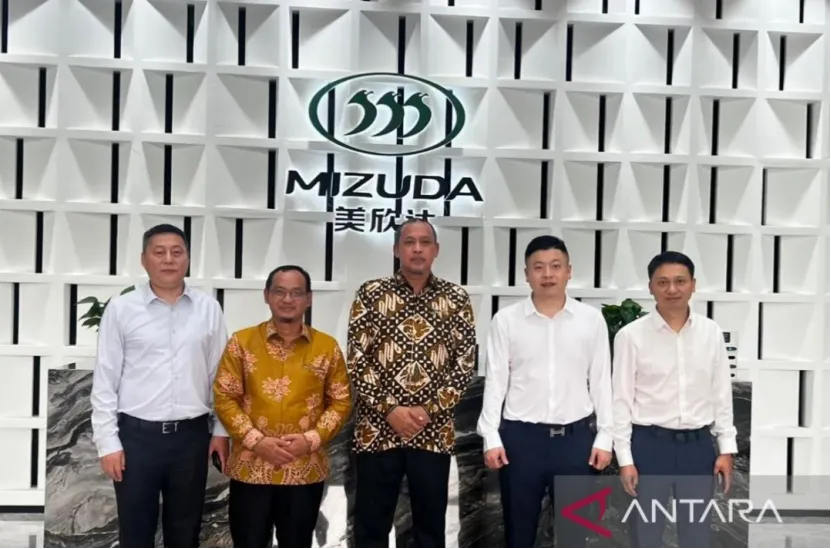
中企助力勿加泗循环经济产业发展
rnrn西爪哇省勿加泗市政府计划参照中国创新产业转型成功经验,将辖区班塔格邦片区打造为循环经济产业园区。勿加泗市长专程赴中国实地考察垃圾焚烧发电项目(PSEL),对外公布该区域改造规划。市长表示,此行重点学习美欣达集团的发展路径作为参考范本。该企业原本主营纺织业务,后续延伸布局环保赛道,孵化出国内头部垃圾焚烧发电企业旺能环境,这套依托主业拓展关联新兴产业的模式极具借鉴价值。当地已初步对接企业,计划
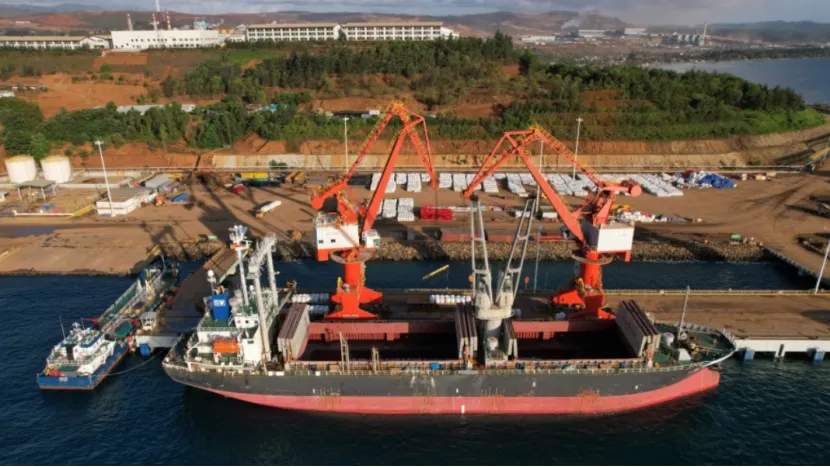
印尼拟靠菲律宾进口补镍矿缺口
rnrn印尼能源矿产部针对纬达贝镍业(WBN)开采配额耗尽一事作出官方回应,该矿区配额收紧或将导致印尼纬达贝工业园(IWIP)冶炼厂出现3000万吨镍矿原料缺口。rnrn矿产煤炭总司长指出,本土冶炼企业可通过两大渠道补足供给:一是采购其他民营矿企矿石,二是从菲律宾进口镍矿。其同时否认菲律宾进口矿成本更高的业界认知,强调本土矿石整体价格仍具备竞争优势。rnrn针对业界普遍担忧的新版矿产基准价(HPM
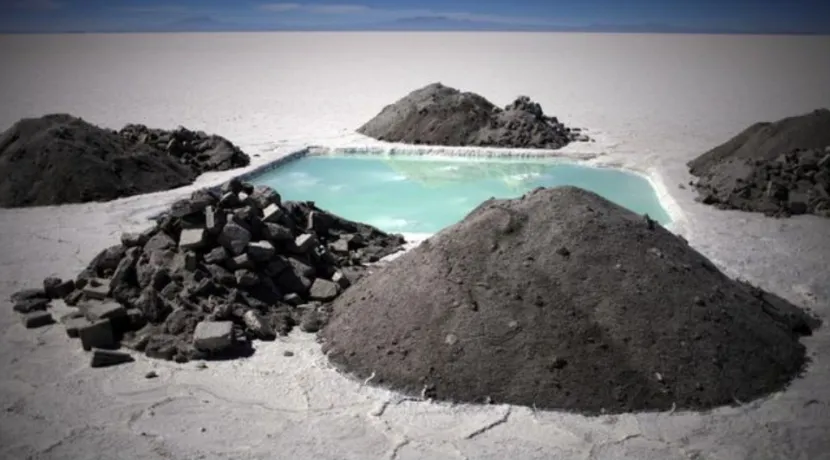
Chinese Lithium Enterprises Intensify Investment in Indonesian Market
Lopal Technology recently issued an announcement on foreign investment. The company's controlled subsidiary, Liyuan Asia Pacific, plans to build the third phase of the new energy battery cathode material project in Batang Comprehensive Industrial Park, Central Java, Indonesia, through its wholly-owned subsidiary, Liyuan Indonesia Batang. The total investment is estimated at US$160 million, equivalent to approximately RMB 1.088 billion, with an annual production capacity of 120,000 tons of second and third generation lithium iron phosphate. Lopal Technology's estimated contribution based on its shareholding ratio is RMB 377 million. The project company's registered capital is 300 billion Indonesian rupiah, equivalent to RMB 112 million, all in cash, with funding sources covering self-owned funds, bank loans, and self-raised funds.

China-Indonesia Food Industry Trade Cooperation Continues to Develop
At the Indonesian Food Festival recently organized by the Indonesian Embassy in China, Indonesian Ambassador to China Djauhari Oratmangun discussed the current state of China-Indonesia food trade cooperation. He pointed out that in recent years, the acceptance and awareness of various Indonesian foods in the Chinese market have steadily increased. Various Indonesian specialty snacks, beverages, and local foods continue to enter the domestic consumer market, and the overall cooperation trend in the food sector between the two countries is positive. As cooperation deepens, a large number of Indonesian food companies have chosen to establish a presence in China by investing in production facilities, collaborating closely with Chinese partners. Bilateral food industry cooperation has moved beyond the original model of simple import and export trade, with the industrial chain expanding to include industrial investment, deep food processing, warehousing and logistics, production technology R&D, and local brand incubation.
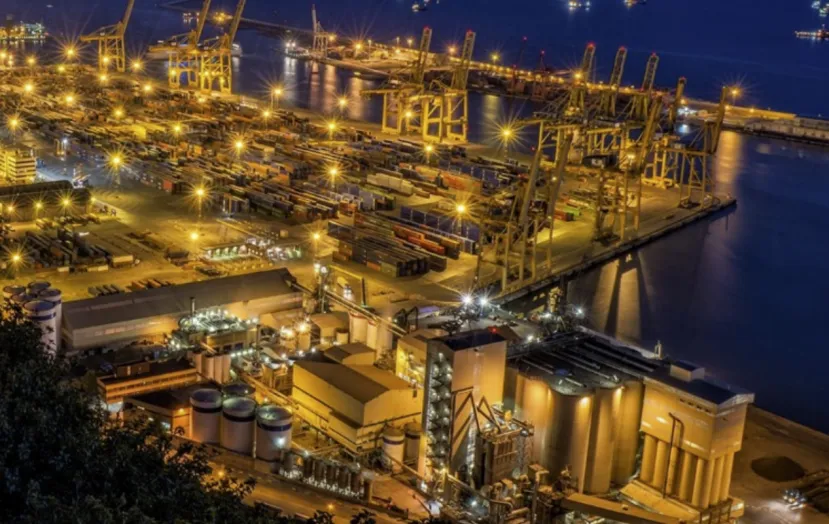
Chinese Enterprises Win Bids for Two Major Indonesian Port Projects
The Second Company of CCCC Third Harbor Engineering Co., Ltd. recently secured two major projects: the Indonesia Sinar Mas factory port and the Indonesia Nanshan Aluminum port. This follows the company's 2026 wins of the No. 1 and No. 2 finished product warehouse construction projects in Indonesia. These two port infrastructure projects mark a simultaneous push for both land and water engineering, actively implementing the annual work plan of CCCC and steadily planning for high-quality overseas business development during the 15th Five-Year Plan period. The Indonesia Sinar Mas factory port is located along the Batang River in South Sumatra Province, with plans for six high-pile berths and supporting facilities including approximately 10,000 square meters of cargo yard.
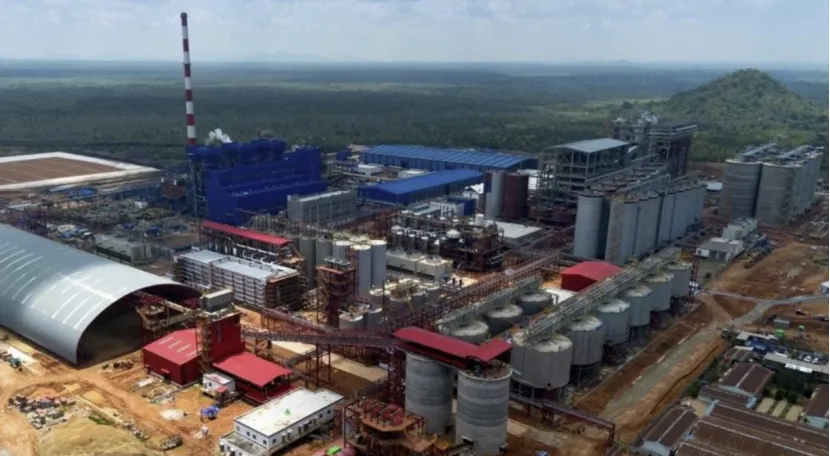
Indonesian Mining and Defense Giants Advance Copper-Gold Downstream Processing
Indonesian state-owned mining group MIND ID's subsidiary PT Freeport Indonesia has entered into a strategic collaboration with state-owned defense industry group DEFEND ID to build a brass rolling mill and brass casting production line at the Gresik Industrial Park in East Java, with an annual capacity of 10,000 tons. Leveraging its own copper mine resources, the initiative aims to optimize copper supply, support Indonesia's defense and military industry, and fill gaps in the ammunition component supply chain. To further absorb Freeport's cathode copper output and meet domestic manufacturing demand, MIND ID plans to expand copper rod and copper wire production facilities with a designed annual capacity of 300,000 tons, along with an ancillary annual production of 10
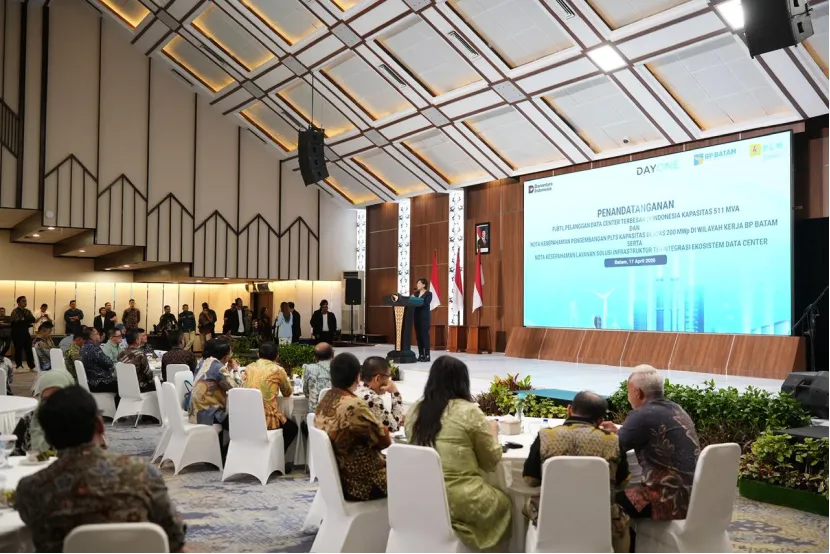
Jababeka Industrial Park Partners with Chinese Company to Build Innovation Cooperation Center
KIJA Group, the operator of Indonesia's Jababeka Industrial Park, has reached a strategic cooperation with China's Silk Road Group to jointly establish a China-Indonesia Innovation Cooperation Center, intensifying efforts to attract Chinese enterprises to invest in Indonesia. Based on a project-oriented and sustainable cooperation model, various benchmark industrial projects will be steadily implemented, deepening bilateral industrial and digital economy collaboration. The founder of Jababeka Industrial Park stated that the two sides will start with demonstration project development and gradually advance investment implementation. The first key plan is the 500-hectare Jababeka Digital Park, which is expected to be officially launched at the World Digital Economy Forum to be held in Beijing in early July 2026.
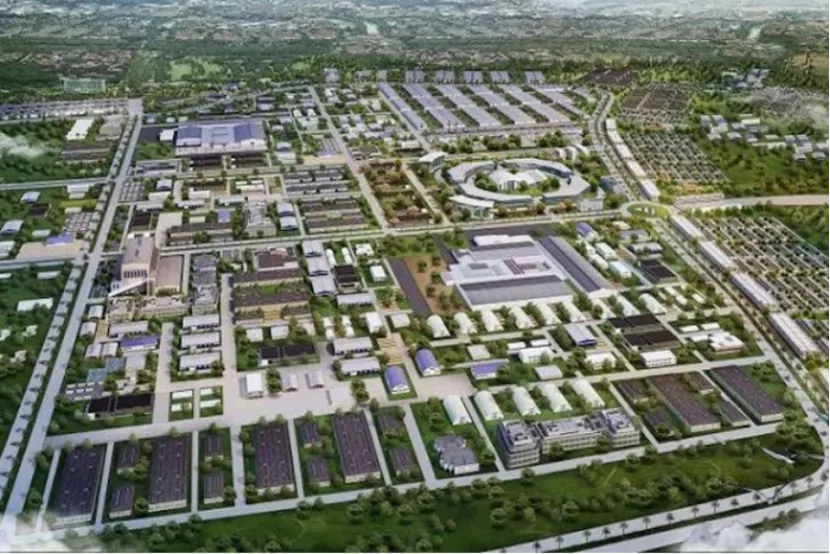
Middle East Conflict Drives Industrial Relocation to Indonesian Industrial Zones
Due to the ongoing escalation of geopolitical conflicts in the Middle East, many multinational corporations are seeking more stable regions as alternative destinations for production relocation and business expansion. Multiple industrial estates in Indonesia are actively seizing this investment opportunity to attract more international capital. Industry insiders generally believe that this trend provides a strategic opportunity for Indonesia to enhance its investment appeal in manufacturing and downstream processing industries. Local industrial estates are also accelerating improvements in capacity and service levels to proactively accommodate potential industrial transfers. Business circles and industry figures point out that Indonesia possesses multiple advantages for attracting investment.
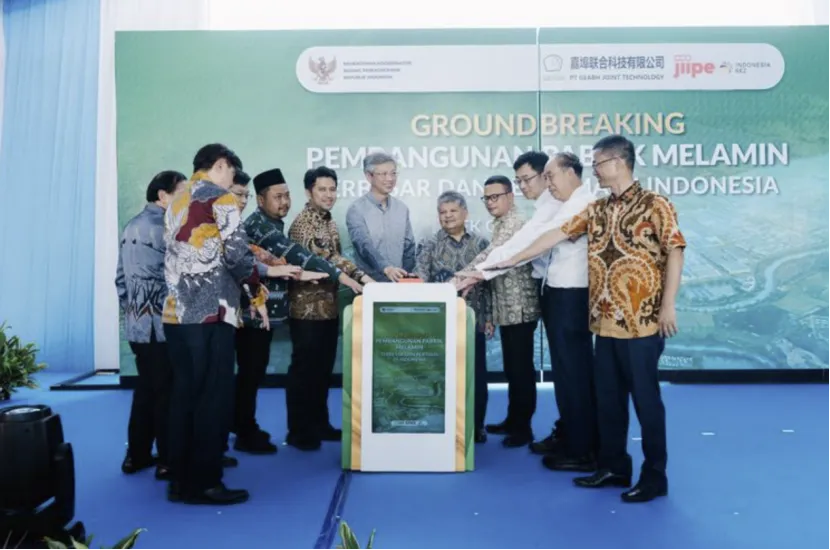
Chinese Enterprise to Build World-Class Melamine Plant in Indonesia
The project to build a melamine plant in the Gresik JIIPE Integrated Industrial and Port Special Economic Zone in Indonesia is considered to significantly strengthen the national chemical industry structure and promote the development of local low-carbon emission industries. The project is developed by Golden Elephant Group (GEABH), with a total investment of approximately USD 600 million, equivalent to around IDR 10.25 trillion. Once completed, it will become one of the world's largest melamine production facilities, adopting an integrated whole industry chain design from upstream to downstream, using natural gas as raw material to sequentially produce ammonia, urea, and finally melamine. The Coordinating Minister for Economic Affairs stated in an official statement that the project is an important part of Indonesia's strategy to enhance the added value of local resources and strengthen industrial competitiveness.
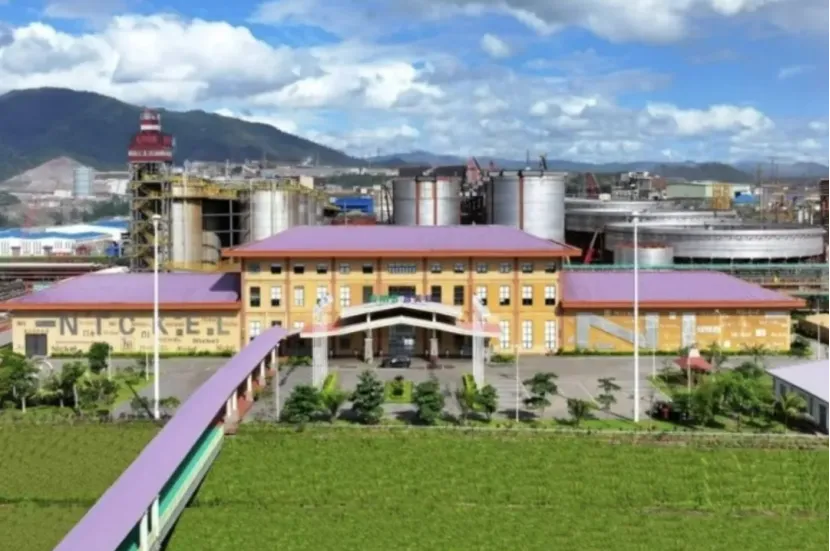
Chinese-funded Nickel Enterprise Helps Indonesia Join Global New Energy Battery Supply Chain
GEM Group, through its subsidiary PT QMB New Energy Materials Company, is vigorously promoting downstream deep processing of nickel ore resources in Indonesia, helping the country secure a more strategic position in the global electric vehicle (EV) battery supply chain. The Chairman and Founder of GEM Group stated in Jakarta that in the past, large amounts of low-grade laterite nickel ore in Indonesia were not effectively utilized. Now, through the Group's self-developed technology, it can not only deep-process such ores but also achieve efficient recovery of nickel and cobalt resources, with a comprehensive recovery rate exceeding 90%. Relying on this technology,
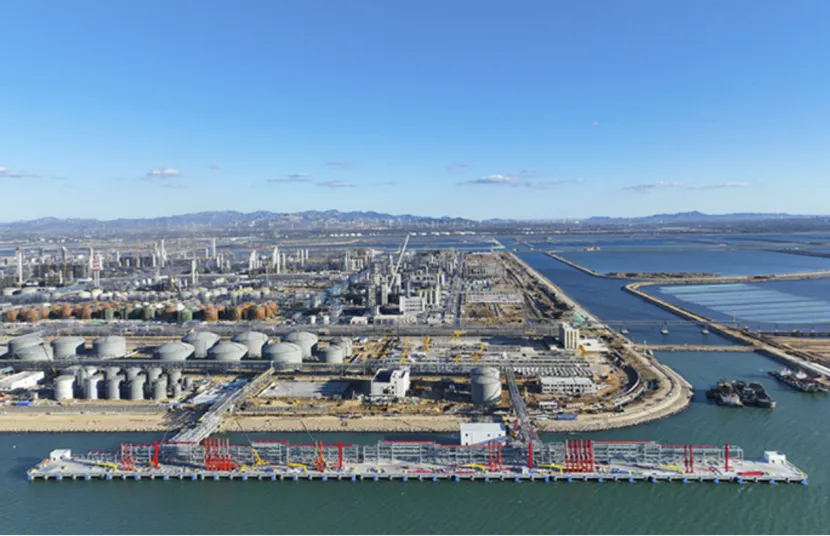
Nanshan Aluminum Invests $1.8 Billion to Build an Oil Refinery in Indonesia
Recently, Nanshan Aluminum announced an investment of approximately $1.8 billion on Bintan Island, Indonesia, to build an oil refinery with a daily capacity of 100,000 barrels. As an aluminum giant, why is Nanshan venturing into the oil business? The strategy behind this move is much larger than many people imagine. The $1.8 billion 'energy bulletproof vest' optimizes the cost of the entire industrial chain. Nanshan's core logic for investing this $1.8 billion can be summed up in four words: extreme closed-loop. As we know, producing electrolytic aluminum requires a key auxiliary material called carbon anodes, and its core raw material, petroleum coke, is precisely a byproduct of oil refining. Although Indonesia has the world's fifth-largest bauxite reserves of over 1.2 billion tons, due to its backward refining capacity, more than 50% of its refined oil has long relied on imports.
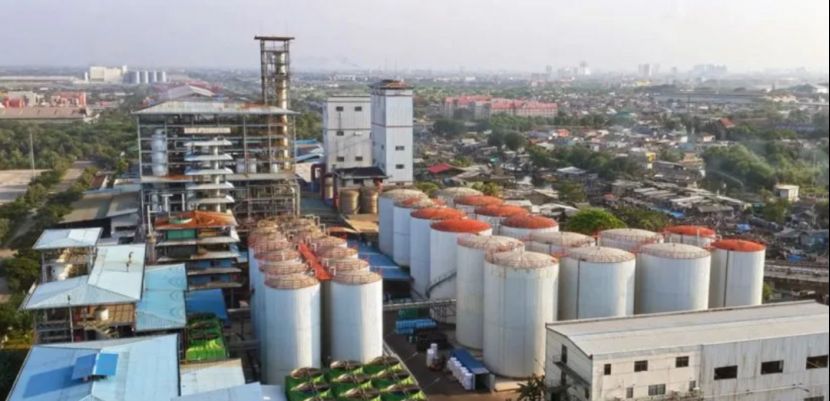
Chinese Company's Indonesian Subsidiary Potentially Subject to Malicious Bankruptcy Petition
Zanyu Technology recently issued an announcement disclosing that its wholly-owned subsidiary PT Dua Kuda Indonesia (Dukuda) had previously received a "Notice of Bankruptcy Ruling" from the Central Jakarta Commercial Court, which officially declared Dukuda bankrupt. In response, Zanyu Technology immediately stated that the three parties applying for bankruptcy are not genuine creditors, and has reported the suspected offenses of document forgery and perjury to the National Police Criminal Investigation Bureau, and the case has been accepted. The incident originated on November 13, 2025, when Hong Kong Harper Company applied to the Indonesian court to initiate debt repayment suspension (P

GEM's Indonesia Nickel-Cobalt Project Rectification Completed, Expected to Resume Full Production
In response to the fatal landslide accident at the Morowali Industrial Park (IMIP) in Central Sulawesi Province and the resulting regulatory crisis, GEM recently issued an official clarification statement, confirming that the environmental permit for its Indonesia nickel-cobalt project jointly invested with Tsingshan Holding Group has not been revoked, and all rectification work has been fully completed. The project is expected to resume full production soon, completely eliminating market concerns about a prolonged shutdown. The crisis originated from a landslide accident in February 2026, triggered by heavy rain, which caused a partial collapse of a temporary waste storage facility at PT QMB New Energy.
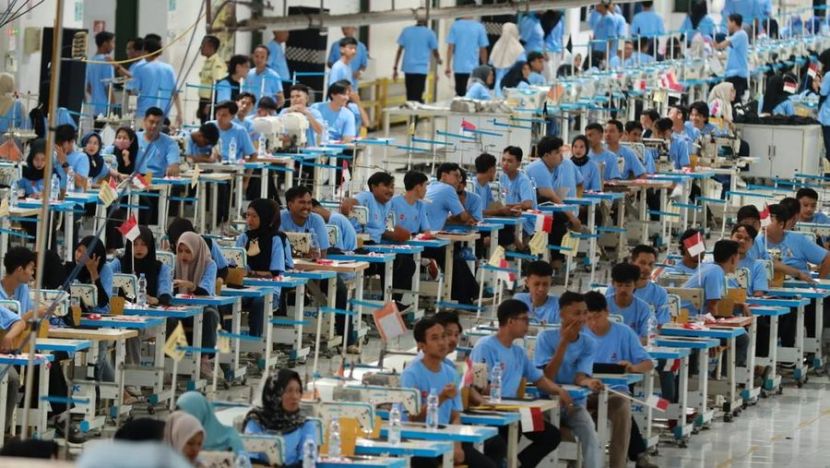
Chinese Garment Enterprises Enter West Java Industrial Park
In recent years, the textile and textile product (TPT) industry in West Java has faced immense pressure, with multiple factories reported to have shut down, while many other companies have moved production lines to Central Java to reduce operational costs. However, against this backdrop, the West Java industrial park has instead welcomed a new wave of Chinese investors, primarily in the garment (apparel) sector, marking a new dynamic in Indonesia's textile industry landscape. The Sales and Tenant Relations Manager of Suryacipta Industrial Park stated that several garment companies from China have already entered the park to set up factories. In terms of the number of companies, the garment industry has become one of the most prominent sectors among incoming tenants.
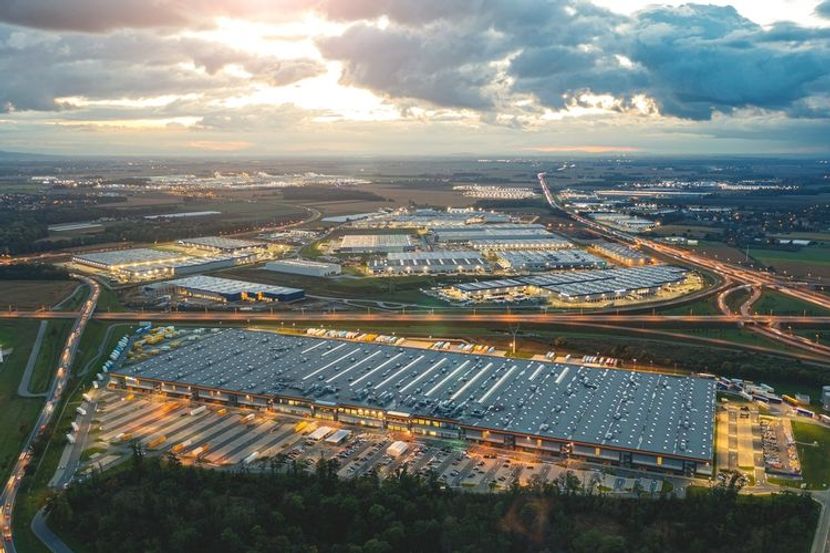
Chinese Capital Leads, Subang Becomes New Center of Indonesian Industrial Investment
For thirty years, Indonesia's industrial concentration has been centered in Bekasi and Karawang. As these areas mature, with industrial land depleted and operational costs rising, global investment is shifting en masse to Subang, rapidly transforming it into a strategic node in the global supply chain. The most notable change over the past year has been the explosive growth of Chinese investment in Subang. As of February 2026, Chinese investors have occupied Subang Smartpolitan