
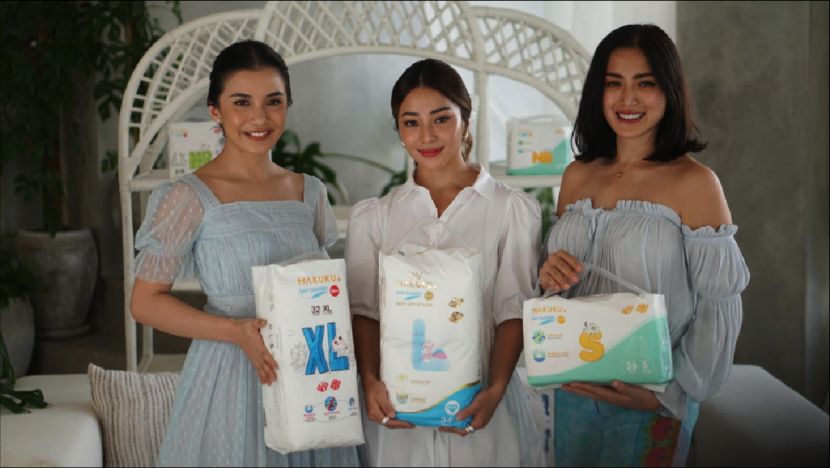
 MAKUKU, a domestic diaper brand founded in November 2020, whose founder previously served as the head of OPPO's overseas marketing department, is familiar with the Southeast Asian market.Within four years of its establishment, it became the third-largest diaper brand in Indonesia, with TikTok sales of 65.5 million yuan in a single country and global monthly sales exceeding 100 million yuan. Enterprise research found that Indonesia has 4 million to 4.5 million newborns each year, with growing maternal and infant consumption and huge market potential, so it was chosen as the first stop for going global. The initial direct sales model was ineffective, so it shifted to a "distribution + vertical hit product" strategy, focusing deeply on the core diaper category. In 2021, it completed 185 million yuan in angel round financing (the highest first round record for a Chinese maternal and infant brand), and the following year received USD 30 million in Pre-A round financing. The product line expanded from diapers to full categories including milk powder, personal care, and children's clothing, forming a "family consumption brand" matrix. In 2024, the global maternal and infant market reached USD 823 billion, with a compound annual growth rate of 6.8%, and Southeast Asia is the growth engine.In the Indonesian market, European and American brands have a high share but high-premium products struggle to reach lower-tier cities. Consumers in third- and fourth-tier cities face the dilemma of "cannot afford international brands, do not trust local unbranded products." Leveraging the Chinese supply chain, the brand controls the price of SAP diapers at 60% of European and American brands, shaping a "local brand" image to open up the incremental market. The main TikTok account focuses on products, posting family sitcom-style content, accumulating 1.1 million followers, with an average video play count of 2.1 million, and viral videos exceeding 20 million plays. The live-streaming account drives sales conversions, conducting 453 live sessions with an average of 9,000+ viewers per session, contributing USD 496,700 in sales. In the early stages, it collaborated with over 500 influencers per month, and on TikTok Indonesia's Shop, it worked with more than 2,500 influencers, cumulatively posting over 10,300 videos and generating USD 7.31 million in sales. It built trust "anchors" by focusing on localized experiences and using authentic feedback from local consumers. Monthly visits average around 59,000, with 66.67% of traffic coming from Indonesia. Online exposure drives traffic, offline experience drives conversion, forming a trust loop. Over 20% of offline consumers first became aware of the brand through TikTok content. Offline, more than 10,000 distribution points cover third- and fourth-tier cities with low e-commerce penetration. The brand's success stems from deep insight into local needs and persistence in product strength, providing a reference for Chinese companies going global: they must abandon the illusion of "quick money," understand the real needs of overseas consumers, and serve them with solid products and innovative approaches to gain a foothold in overseas markets.
Chinese Brand Becomes Third-Largest Diaper Brand in Indonesia
www.indoent.com
2025-07-21
MAKUKU, a domestic diaper brand founded in November 2020, whose founder previously served as the head of OPPO's overseas marketing department, is familiar with the Southeast Asian market. Within four years of its establishment, it became the third-largest diaper brand in Indonesia, with TikTok sales of 65.5 million yuan in a single country and global monthly sales exceeding 100 million yuan. Enterprise research found that Indonesia has 4 million to 4.5 million newborns each year, with growing maternal and infant consumption and huge market potential, so it was chosen as the first stop for going global. The initial direct sales model was ineffective, so it shifted to a "distribution + vertical hit product" strategy, focusing deeply on the core diaper category. In 2021, it completed 185 million yuan in angel
MAKUKU, a domestic diaper brand founded in November 2020, whose founder previously served as the head of OPPO's overseas marketing department, is familiar with the Southeast Asian market.Within four years of its establishment, it became the third-largest diaper brand in Indonesia, with TikTok sales of 65.5 million yuan in a single country and global monthly sales exceeding 100 million yuan. Enterprise research found that Indonesia has 4 million to 4.5 million newborns each year, with growing maternal and infant consumption and huge market potential, so it was chosen as the first stop for going global. The initial direct sales model was ineffective, so it shifted to a "distribution + vertical hit product" strategy, focusing deeply on the core diaper category. In 2021, it completed 185 million yuan in angel round financing (the highest first round record for a Chinese maternal and infant brand), and the following year received USD 30 million in Pre-A round financing. The product line expanded from diapers to full categories including milk powder, personal care, and children's clothing, forming a "family consumption brand" matrix. In 2024, the global maternal and infant market reached USD 823 billion, with a compound annual growth rate of 6.8%, and Southeast Asia is the growth engine.In the Indonesian market, European and American brands have a high share but high-premium products struggle to reach lower-tier cities. Consumers in third- and fourth-tier cities face the dilemma of "cannot afford international brands, do not trust local unbranded products." Leveraging the Chinese supply chain, the brand controls the price of SAP diapers at 60% of European and American brands, shaping a "local brand" image to open up the incremental market. The main TikTok account focuses on products, posting family sitcom-style content, accumulating 1.1 million followers, with an average video play count of 2.1 million, and viral videos exceeding 20 million plays. The live-streaming account drives sales conversions, conducting 453 live sessions with an average of 9,000+ viewers per session, contributing USD 496,700 in sales. In the early stages, it collaborated with over 500 influencers per month, and on TikTok Indonesia's Shop, it worked with more than 2,500 influencers, cumulatively posting over 10,300 videos and generating USD 7.31 million in sales. It built trust "anchors" by focusing on localized experiences and using authentic feedback from local consumers. Monthly visits average around 59,000, with 66.67% of traffic coming from Indonesia. Online exposure drives traffic, offline experience drives conversion, forming a trust loop. Over 20% of offline consumers first became aware of the brand through TikTok content. Offline, more than 10,000 distribution points cover third- and fourth-tier cities with low e-commerce penetration. The brand's success stems from deep insight into local needs and persistence in product strength, providing a reference for Chinese companies going global: they must abandon the illusion of "quick money," understand the real needs of overseas consumers, and serve them with solid products and innovative approaches to gain a foothold in overseas markets.
Share to
Related Reading
 China Investment News
China's AiMOGA Humanoid Robot Obtains Three International Certifications
2026-09-07 China Investment News
Only Three Chinese Automakers Have Independently Built Factories in Indonesia
2026-09-05 Chinese Investment News