
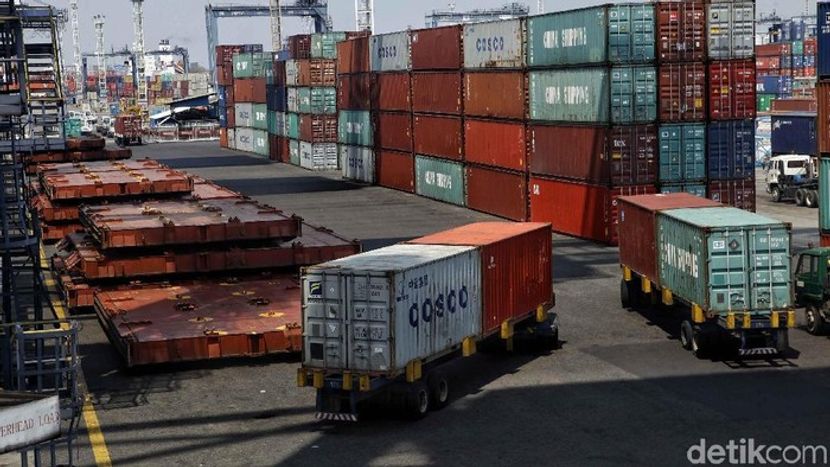
 According to the Central Bureau of Statistics (BPS) report, Indonesia's trade surplus reached $4.34 billion in September 2025, marking a record of 65 consecutive months of surplus since May 2020. This achievement is mainly attributed to the strong performance of non-oil and gas commodities. Non-oil and gas goods contributed a surplus of $5.99 billion, driven primarily by animal and vegetable fats and oils, mineral fuels, and steel products.
Conversely, oil and gas commodities recorded a deficit of $1.64 billion, mainly due to imports of crude oil and petroleum products. From January to September 2025, the cumulative surplus reached $33.48 billion, of which non-oil and gas goods posted a surplus of $47.2 billion, while oil and gas goods recorded a deficit of $13.71 billion. This data reflects the continued optimization of Indonesia's foreign trade structure and steady improvement in export competitiveness.
According to the Central Bureau of Statistics (BPS) report, Indonesia's trade surplus reached $4.34 billion in September 2025, marking a record of 65 consecutive months of surplus since May 2020. This achievement is mainly attributed to the strong performance of non-oil and gas commodities. Non-oil and gas goods contributed a surplus of $5.99 billion, driven primarily by animal and vegetable fats and oils, mineral fuels, and steel products.
Conversely, oil and gas commodities recorded a deficit of $1.64 billion, mainly due to imports of crude oil and petroleum products. From January to September 2025, the cumulative surplus reached $33.48 billion, of which non-oil and gas goods posted a surplus of $47.2 billion, while oil and gas goods recorded a deficit of $13.71 billion. This data reflects the continued optimization of Indonesia's foreign trade structure and steady improvement in export competitiveness.
Indonesia's Trade Surplus Maintains Growth for 65 Consecutive Months
www.indoent.com
2025-11-05
According to the Central Bureau of Statistics (BPS) report, Indonesia's trade surplus reached $4.34 billion in September 2025, marking a record of 65 consecutive months of surplus since May 2020. This achievement is mainly attributed to the strong performance of non-oil and gas commodities. Non-oil and gas goods contributed a surplus of $5.99 billion, driven primarily by animal and vegetable fats and oils, mineral fuels, and steel products. Conversely, oil and gas commodities recorded a deficit of $1.64 billion, mainly due to imports of crude oil and petroleum products. From January to September 2025, the cumulative surplus reached $33.48 billion.
According to the Central Bureau of Statistics (BPS) report, Indonesia's trade surplus reached $4.34 billion in September 2025, marking a record of 65 consecutive months of surplus since May 2020. This achievement is mainly attributed to the strong performance of non-oil and gas commodities. Non-oil and gas goods contributed a surplus of $5.99 billion, driven primarily by animal and vegetable fats and oils, mineral fuels, and steel products.
Conversely, oil and gas commodities recorded a deficit of $1.64 billion, mainly due to imports of crude oil and petroleum products. From January to September 2025, the cumulative surplus reached $33.48 billion, of which non-oil and gas goods posted a surplus of $47.2 billion, while oil and gas goods recorded a deficit of $13.71 billion. This data reflects the continued optimization of Indonesia's foreign trade structure and steady improvement in export competitiveness.
Tags
Industry News
Share to
Related Reading
 Industry Flash
Cheap Chinese Plastics Impact Indonesia's Petrochemical Industry, Association Calls for Protection
2026-09-03 Industry News
Investment Heat in Two Key Industrial Parks in Central Java Continues to Rise
2026-08-31 Industry News