
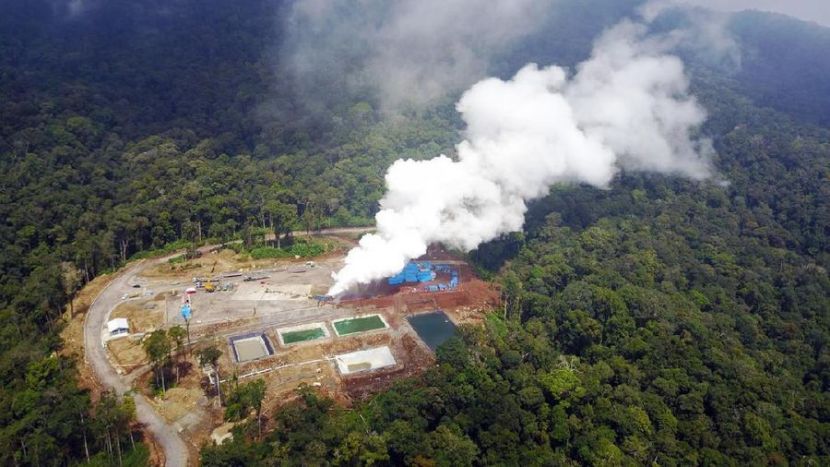
Indonesia Accelerates Coal-to-DME to Reduce LPG Import Dependence
The Ministry of Energy and Mineral Resources (ESDM) is accelerating energy downstream projects, focusing on developing coal-to-dimethyl ether (DME) as a substitute for liquefied petroleum gas (LPG). Currently, Indonesia's LPG demand remains highly dependent on imports, increasing by approximately 1.2 million tons annually, with demand expected to reach 10 million tons by 2026. President Prabowo recently held a limited meeting at the Merdeka Palace, demanding the acceleration of 18 downstream projects worth over IDR 600 trillion, targeting operations by 2026. These projects cover fisheries, agriculture, and energy and mineral sectors, aiming to boost economic growth,
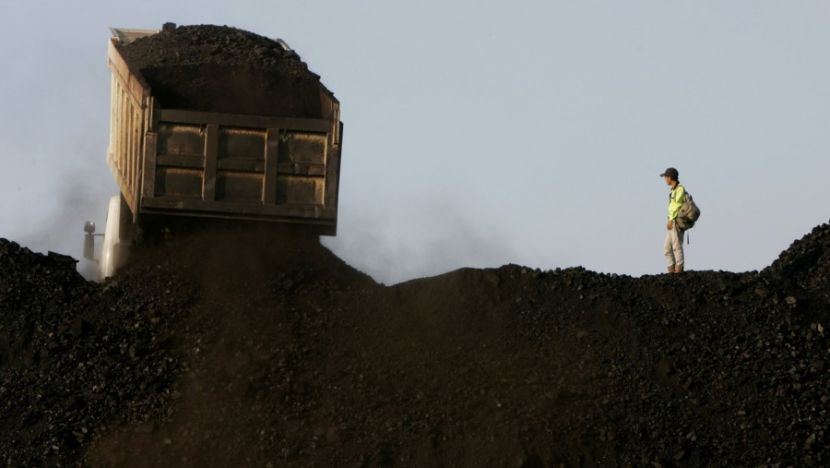
Indonesian Investment Enterprise Plans to Directly Invest in Coal-to-Dimethyl Ether Project
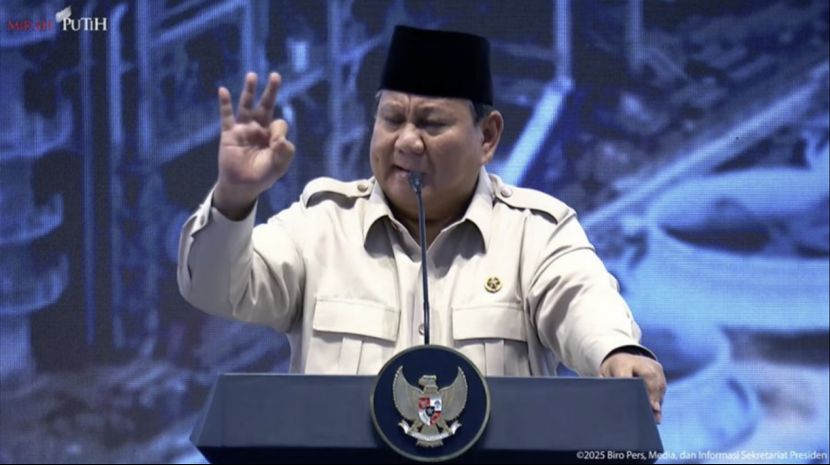
Indonesia to Launch 18 Downstream Projects Next Year Involving 600 Trillion Rupiah Investment
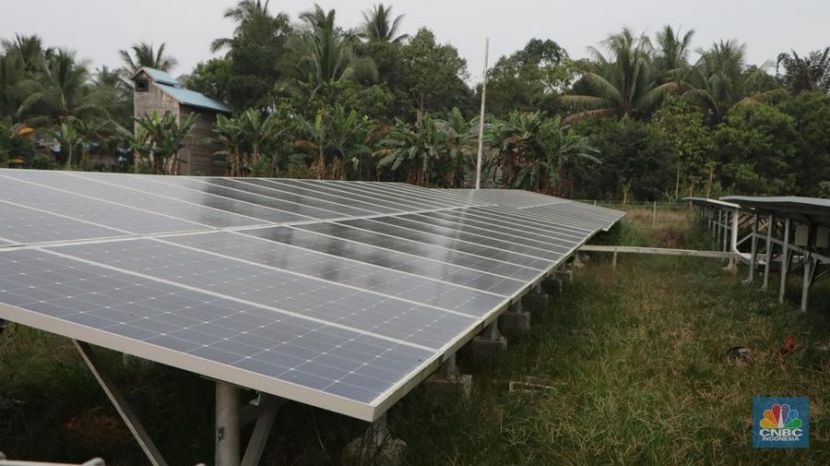
Indonesia Launches Rural Solar Power Plant Plan
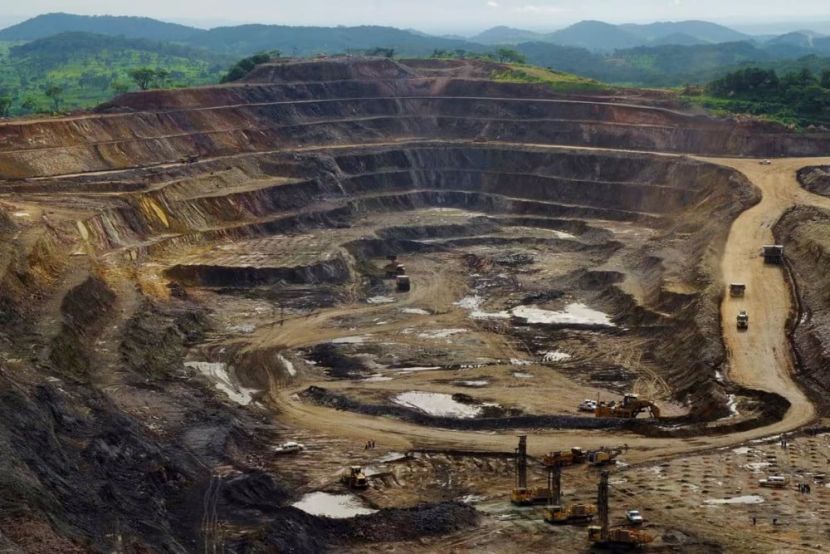
Global Copper Supply Shortage May Occur in 2028
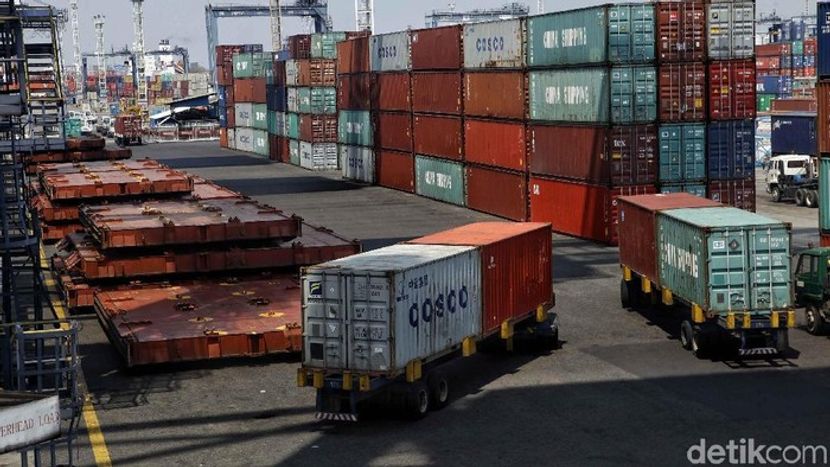
Indonesia's Trade Surplus Maintains Growth for 65 Consecutive Months
According to the Central Bureau of Statistics (BPS) report, Indonesia's trade surplus reached $4.34 billion in September 2025, marking a record of 65 consecutive months of surplus since May 2020. This achievement is mainly attributed to the strong performance of non-oil and gas commodities. Non-oil and gas goods contributed a surplus of $5.99 billion, driven primarily by animal and vegetable fats and oils, mineral fuels, and steel products. Conversely, oil and gas commodities recorded a deficit of $1.64 billion, mainly due to imports of crude oil and petroleum products. From January to September 2025, the cumulative surplus reached $33.48 billion.
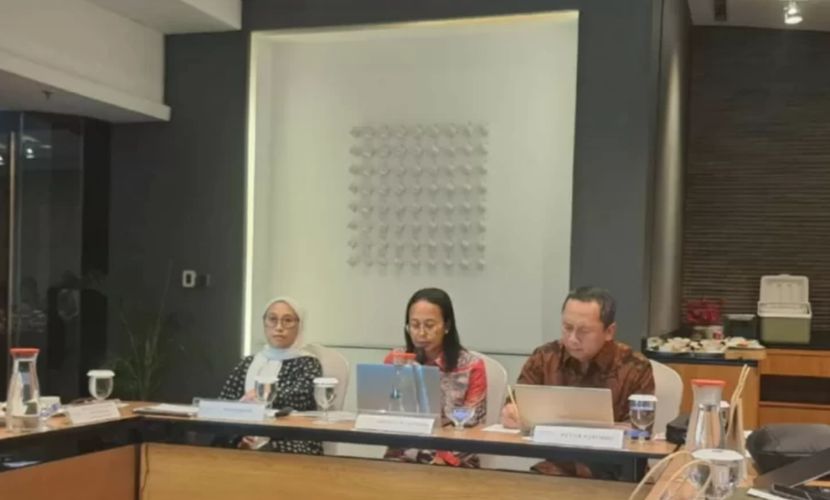
Indonesia's Refractory Materials Industry Becomes a New Engine for Economic Growth
The Chairman of the Indonesian Refractory and Insulation Materials Association (ASRINDO) recently stated that the domestic refractory materials industry will become a catalyst for national industrial growth, supporting President Prabowo's target of 8% economic growth by 2029. This industry plays a key role by supporting the production processes of basic industries such as cement, glass, and ceramics.\r\n\r\nAt an industry matching conference held in Bandung, he pointed out that the refractory materials industry has four major advantages: just-in-time supply, on-time delivery, comprehensive after-sales service, and increasing domestic capacity utilization from the current 30% to 70-80%.
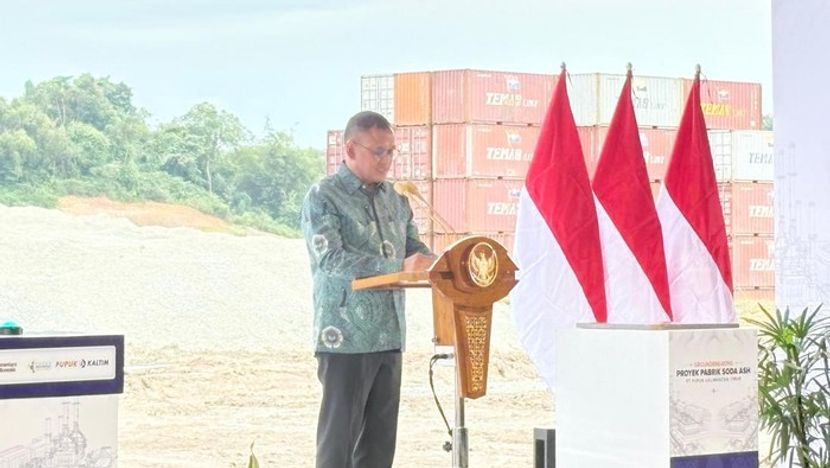
Indonesia Invests IDR 5 Trillion to Build First Soda Ash Plant
Indonesia has officially started construction of its first soda ash plant in the Bangtang City Industrial Area, East Kalimantan. The project has an investment of IDR 5 trillion, covers 16 hectares, is expected to create 800 jobs, and is scheduled to be completed and operational by March 2028. The President of PT Pupuk Indonesia stated that this project ends Indonesia's 30-year history of not being able to produce soda ash domestically. Currently, Indonesia imports 1 million tons of soda ash annually, with demand growing at a rate of 5-6% per year.\r\n\r\nThe new plant will produce 300,000 tons of soda ash per year, replacing 30% of import demand, and also 300,000 tons of ammonium chloride annually.

Indonesian Hospitality Industry Becomes Hot Target for Foreign Investors
Indonesia's hospitality and hotel industry has become a hot target for foreign investors in the post-pandemic era, with investment transaction volume expected to reach nearly USD 150 million (approximately IDR 2.4 trillion) by 2026. This growth is driven by Indonesia's strong macroeconomic fundamentals and continuously improving infrastructure, which have strengthened global investors' confidence in Indonesia's tourism prospects. Investment interest is mainly concentrated in two core markets: Bali and Jakarta. Bali has performed strongly in the luxury hotel market, even surpassing other regional destinations such as Phuket and Koh Samui in Thailand; while Jakarta, as the main entry gateway
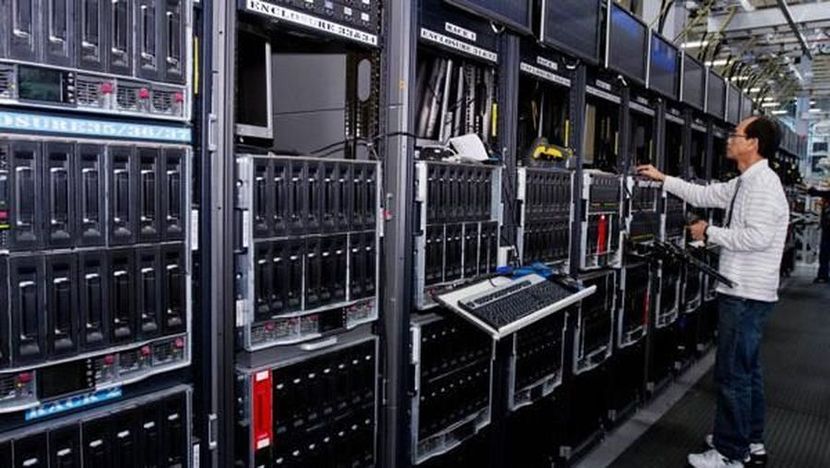
Indonesia Data Center Industry Rapidly Develops, Capacity Surges 52%
The Minister of Communication and Information stated at the FEKDI & IFSE event in Jakarta that Indonesia has made significant progress in data center construction. Currently, the country operates 180 data centers of various scales, among which 8 have reached the highest Tier 4 standard, and 3 are dedicated to artificial intelligence technology. The total capacity of data centers has surged from 190 MW to 290 MW within a year, representing a 52% increase, reflecting strong global business confidence in the Indonesian market. The Minister revealed that he was recently invited to inaugurate data centers for multiple domestic and international companies, including PT DCI Indonesia
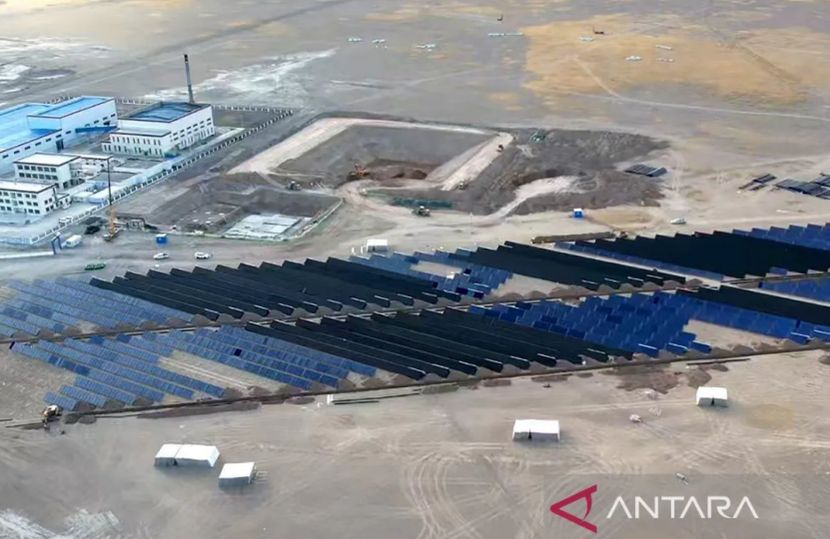
China's Energy Policy Adjustment Impacts Indonesia's Coal Industry
The Energy Transition Institute (ESI) released a report stating that China's energy policy adjustment has caused structural pressure on Indonesia's coal industry. By increasing domestic coal production, optimizing energy logistics, and accelerating the clean energy transition, China has reduced its dependence on imported coal, whereas Indonesia previously accounted for 43% of coal exports to China. The ESI research director pointed out that this policy shift is not a short-term market fluctuation but a long-term structural risk. Chinese domestic coal producers have become more efficient and more price-competitive, weakening Indonesia's price advantage in coal exports. Additionally, in 2024, China's

Chinese Packaging Company's Indonesia Factory Fully Operational
China Nanwang Technology Co., Ltd.'s subsidiary factory in Central Java Province has been fully operational. The factory covers 12,000 square meters and mainly produces environmentally friendly paper bags, non-woven bags, label paper and other eco-friendly packaging products. The company previously held an opening ceremony, marking significant progress in its overseas expansion. The factory is a key initiative in Nanwang Technology's globalization strategy, aiming to avoid tariff risks and regain the North American market. Through a "localized production + rapid response" model, the company can provide packaging solutions for overseas tea beverage brands such as Mixue Bingcheng, Ba Wang Cha Ji, and Heytea, as well as Western fast-food chains like McDonald's and KFC.