
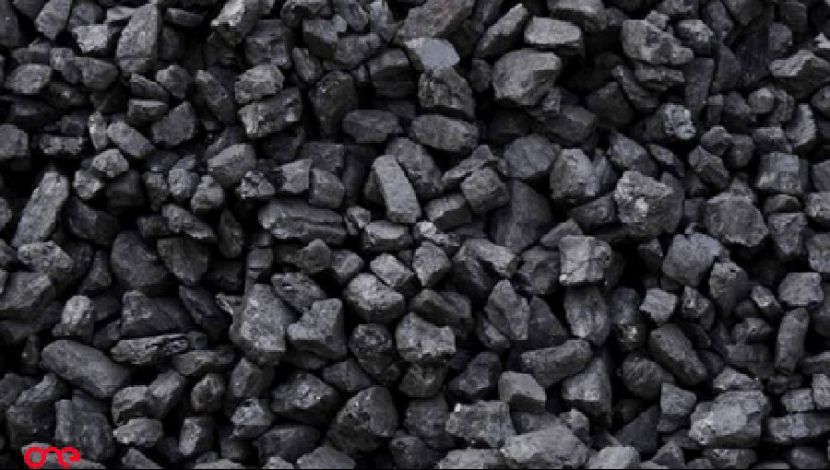
 Indonesia is the world's third-largest coke exporter, with exports reaching 5.56 million tons in 2024,仅次于 China (8.33 million tons) and Poland (5.88 million tons). Coke is a key raw material for steel production (especially blast furnace technology), and its demand is closely related to the growth of the global steel industry. Global coke prices have fallen due to declining coking coal prices, the main raw material, and the decline has been greater than that of coking coal, resulting in narrower export profit margins and increased production cost pressures. By-products of the coke industry include hazardous waste, requiring a balance between environmental protection and utilization as raw materials for the chemical and manufacturing industries. The Indonesian Coke Enterprises Association was established in early 2025, receiving approval from the Ministry of Law and Human Rights, and was inaugurated in May. Its goal is to serve as a coordination platform between the government and enterprises, promoting favorable policies, ensuring environmental sustainability, and strengthening Indonesia's position in the global coke supply chain. The association chairman calls on the government to provide practical support, including simplifying export permits and providing guidance on factory management (including environmental aspects), to alleviate cost pressures and enhance competitiveness. Coke, as a reducing agent and heat source, is indispensable in the process of converting iron ore into molten iron, highlighting its strategic value.
Indonesia's Coke Industry Calls for Government Support
www.indoent.com
2025-07-20
Indonesia is the world's third-largest coke exporter, with exports reaching 5.56 million tons in 2024,仅次于 China (8.33 million tons) and Poland (5.88 million tons). Coke is a key raw material for steel production (especially blast furnace technology), and its demand is closely related to the growth of the global steel industry. Global coke prices have fallen due to declining coking coal prices, the main raw material, and the decline has been greater than that of coking coal, resulting in narrower export profit margins and increased production cost pressures. By-products of the coke industry include hazardous waste, requiring a balance between environmental protection and utilization as raw materials for the chemical and manufacturing industries. The Indonesian Coke Enterprises Association was established in early 2025, receiving approval from the Ministry of Law and Human Rights, and was inaugurated in May. Its goal is to serve as a coordination platform between the government and enterprises, promoting favorable policies, ensuring environmental sustainability, and strengthening Indonesia's position in the global coke supply chain. The association chairman calls on the government to provide practical support, including simplifying export permits and providing guidance on factory management (including environmental aspects), to alleviate cost pressures and enhance competitiveness. Coke, as a reducing agent and heat source, is indispensable in the process of converting iron ore into molten iron, highlighting its strategic value.
Indonesia is the world's third-largest coke exporter, with exports reaching 5.56 million tons in 2024,仅次于 China (8.33 million tons) and Poland (5.88 million tons). Coke is a key raw material for steel production (especially blast furnace technology), and its demand is closely related to the growth of the global steel industry. Global coke prices have fallen due to declining coking coal prices, the main raw material, and the decline has been greater than that of coking coal, resulting in narrower export profit margins and increased production cost pressures. By-products of the coke industry include hazardous waste, requiring a balance between environmental protection and utilization as raw materials for the chemical and manufacturing industries. The Indonesian Coke Enterprises Association was established in early 2025, receiving approval from the Ministry of Law and Human Rights, and was inaugurated in May. Its goal is to serve as a coordination platform between the government and enterprises, promoting favorable policies, ensuring environmental sustainability, and strengthening Indonesia's position in the global coke supply chain. The association chairman calls on the government to provide practical support, including simplifying export permits and providing guidance on factory management (including environmental aspects), to alleviate cost pressures and enhance competitiveness. Coke, as a reducing agent and heat source, is indispensable in the process of converting iron ore into molten iron, highlighting its strategic value.
Tags
Industry News
Share to
Related Reading
 Industry Flash
Cheap Chinese Plastics Impact Indonesia's Petrochemical Industry, Association Calls for Protection
2026-09-03 Industry News
Investment Heat in Two Key Industrial Parks in Central Java Continues to Rise
2026-08-31 Industry News