
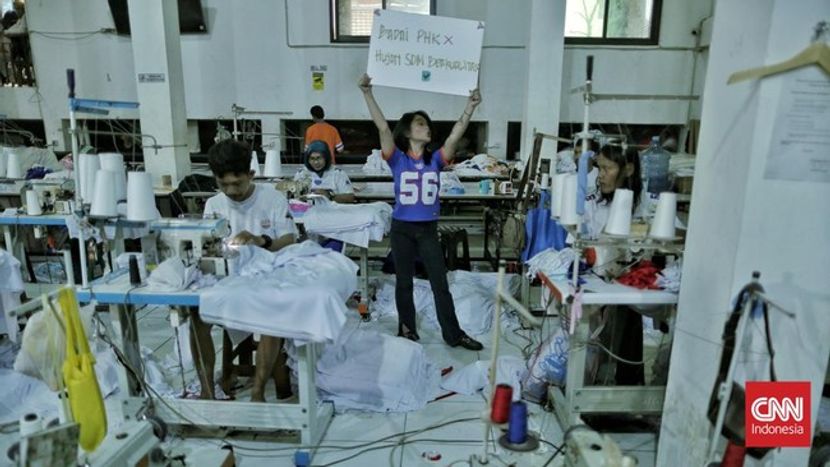
 The Secretary General of the Indonesian Synthetic Filament Association publicly questioned the systemic unfairness in import quota allocation, where some companies received 100% capacity quotas while most companies received only 30-50%. Over 20 textile companies are actually controlled by 4 individuals, monopolizing quota resources. From 2024 to 2025, yarn and fabric imports surged 239% (from 14.07 million kg to 47.88 million kg) forcing 60 local textile mills to close, triggering massive layoffs.
The association demanded that the Minister of Industry thoroughly investigate the quota approval department (retrospective of 8 years of data), but the Ministry of Industry spokesperson instead accused association members of large-scale imports using bonded zone policies. The Ministry stated that 5 out of 20 association members did not submit industrial reports (SIINas system). The association explained that closed companies are unable to report, not intentional concealment.
API Umum licenses allowed companies to circumvent scrutiny through bonded zones, and monopolistic companies exploited low-priced imports through quota dumping to profit, squeezing domestic capacity. According to the Indonesian Entrepreneurs Association, textile industry layoffs exceeded 939,000 in 2025. The Ministry of Industry promised to investigate internal violations, but insisted that the main cause of the import surge was association members. The association demanded establishing a transparent quota mechanism to restore a fair competitive environment.
The Secretary General of the Indonesian Synthetic Filament Association publicly questioned the systemic unfairness in import quota allocation, where some companies received 100% capacity quotas while most companies received only 30-50%. Over 20 textile companies are actually controlled by 4 individuals, monopolizing quota resources. From 2024 to 2025, yarn and fabric imports surged 239% (from 14.07 million kg to 47.88 million kg) forcing 60 local textile mills to close, triggering massive layoffs.
The association demanded that the Minister of Industry thoroughly investigate the quota approval department (retrospective of 8 years of data), but the Ministry of Industry spokesperson instead accused association members of large-scale imports using bonded zone policies. The Ministry stated that 5 out of 20 association members did not submit industrial reports (SIINas system). The association explained that closed companies are unable to report, not intentional concealment.
API Umum licenses allowed companies to circumvent scrutiny through bonded zones, and monopolistic companies exploited low-priced imports through quota dumping to profit, squeezing domestic capacity. According to the Indonesian Entrepreneurs Association, textile industry layoffs exceeded 939,000 in 2025. The Ministry of Industry promised to investigate internal violations, but insisted that the main cause of the import surge was association members. The association demanded establishing a transparent quota mechanism to restore a fair competitive environment.
Indonesian Textile Association Questions Unfair Import Quota Allocation
www.indoent.com
2025-08-27
The Secretary General of the Indonesian Synthetic Filament Association publicly questioned the systemic unfairness in import quota allocation, where some companies received 100% capacity quotas while most companies received only 30-50%. Over 20 textile companies are actually controlled by 4 individuals, monopolizing quota resources. From 2024 to 2025, yarn and fabric imports surged 239% (from 14.07 million kg to 47.88 million kg), forcing 60 local textile mills to close, triggering massive layoffs. The association demanded that the Minister of Industry thoroughly investigate the quota approval department (retrospective of 8 years of data), but the Ministry of Industry spokesperson instead accused association members of exploiting
The Secretary General of the Indonesian Synthetic Filament Association publicly questioned the systemic unfairness in import quota allocation, where some companies received 100% capacity quotas while most companies received only 30-50%. Over 20 textile companies are actually controlled by 4 individuals, monopolizing quota resources. From 2024 to 2025, yarn and fabric imports surged 239% (from 14.07 million kg to 47.88 million kg) forcing 60 local textile mills to close, triggering massive layoffs.
The association demanded that the Minister of Industry thoroughly investigate the quota approval department (retrospective of 8 years of data), but the Ministry of Industry spokesperson instead accused association members of large-scale imports using bonded zone policies. The Ministry stated that 5 out of 20 association members did not submit industrial reports (SIINas system). The association explained that closed companies are unable to report, not intentional concealment.
API Umum licenses allowed companies to circumvent scrutiny through bonded zones, and monopolistic companies exploited low-priced imports through quota dumping to profit, squeezing domestic capacity. According to the Indonesian Entrepreneurs Association, textile industry layoffs exceeded 939,000 in 2025. The Ministry of Industry promised to investigate internal violations, but insisted that the main cause of the import surge was association members. The association demanded establishing a transparent quota mechanism to restore a fair competitive environment.
Tags
Social Dynamics
Share to


