
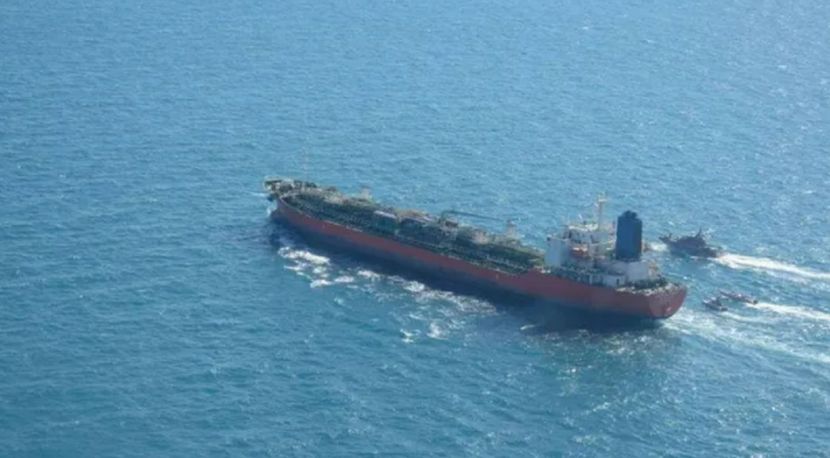
 According to Chinese customs data for August 2025, Indonesia's crude oil exports to China surged to 2.7 million tons (approximately 630,000 barrels per day), far exceeding Indonesia's domestic daily production of 580,000 barrels and the total exports of 1.3 million tons from January to July. After four tankers docked at non-major oil ports in Batam, they conducted ship-to-ship transfers near Johor, Malaysia, with draft changes indicating they were not loaded with Indonesian crude.
At the same time, this batch of "Indonesian crude" was USD 11 per barrel cheaper than Saudi crude, consistent with the discount characteristics of Iranian crude. China has not officially reported Iranian crude imports since mid-2022, and during the same period, China's crude imports from Malaysia fell by 30%, forming a substitution relationship with the surge in Indonesian data. Moreover, there are precedents for Iran circumventing US sanctions through third-country transshipment.
Indonesia's Ministry of Energy, state oil company, and Batam Port Authority have all not responded, while China's Ministry of Foreign Affairs and shipping companies have also remained silent. This incident highlights the complexity of global energy "shadow trade" and reflects the adaptive adjustments of supply chains under sanctions.
According to Chinese customs data for August 2025, Indonesia's crude oil exports to China surged to 2.7 million tons (approximately 630,000 barrels per day), far exceeding Indonesia's domestic daily production of 580,000 barrels and the total exports of 1.3 million tons from January to July. After four tankers docked at non-major oil ports in Batam, they conducted ship-to-ship transfers near Johor, Malaysia, with draft changes indicating they were not loaded with Indonesian crude.
At the same time, this batch of "Indonesian crude" was USD 11 per barrel cheaper than Saudi crude, consistent with the discount characteristics of Iranian crude. China has not officially reported Iranian crude imports since mid-2022, and during the same period, China's crude imports from Malaysia fell by 30%, forming a substitution relationship with the surge in Indonesian data. Moreover, there are precedents for Iran circumventing US sanctions through third-country transshipment.
Indonesia's Ministry of Energy, state oil company, and Batam Port Authority have all not responded, while China's Ministry of Foreign Affairs and shipping companies have also remained silent. This incident highlights the complexity of global energy "shadow trade" and reflects the adaptive adjustments of supply chains under sanctions.
Surge in Indonesia's Crude Oil Exports to China Raises Questions
www.indoent.com
2025-09-29
According to Chinese customs data for August 2025, Indonesia's crude oil exports to China surged to 2.7 million tons (approximately 630,000 barrels per day), far exceeding Indonesia's domestic daily production of 580,000 barrels and the total exports of 1.3 million tons from January to July. After four tankers docked at non-major oil ports in Batam, they conducted ship-to-ship transfers near Johor, Malaysia, with draft changes indicating they were not loaded with Indonesian crude. At the same time, this batch of "Indonesian crude" was USD 11 per barrel cheaper than Saudi crude, consistent with the discount characteristics of Iranian crude. China has not officially reported Iranian crude imports since mid-2022,
According to Chinese customs data for August 2025, Indonesia's crude oil exports to China surged to 2.7 million tons (approximately 630,000 barrels per day), far exceeding Indonesia's domestic daily production of 580,000 barrels and the total exports of 1.3 million tons from January to July. After four tankers docked at non-major oil ports in Batam, they conducted ship-to-ship transfers near Johor, Malaysia, with draft changes indicating they were not loaded with Indonesian crude.
At the same time, this batch of "Indonesian crude" was USD 11 per barrel cheaper than Saudi crude, consistent with the discount characteristics of Iranian crude. China has not officially reported Iranian crude imports since mid-2022, and during the same period, China's crude imports from Malaysia fell by 30%, forming a substitution relationship with the surge in Indonesian data. Moreover, there are precedents for Iran circumventing US sanctions through third-country transshipment.
Indonesia's Ministry of Energy, state oil company, and Batam Port Authority have all not responded, while China's Ministry of Foreign Affairs and shipping companies have also remained silent. This incident highlights the complexity of global energy "shadow trade" and reflects the adaptive adjustments of supply chains under sanctions.
Tags
Social Dynamics
Share to


