
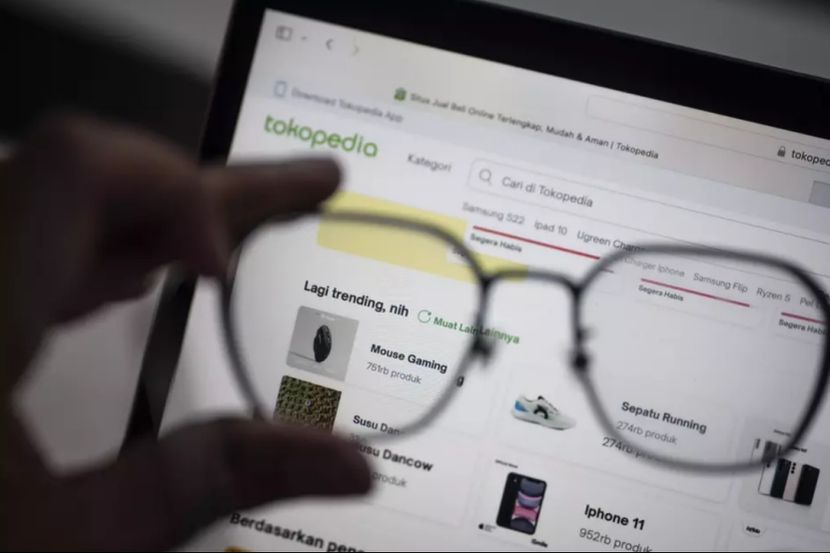
Indonesian Industry Calls for Restrictions on E-commerce Goods Imported from China
The Executive Director of CELIOS explained that e-commerce products imported through distributors and cross-border channels have increased significantly, posing a threat to local producers. According to CELIOS data, total e-commerce imports soared from 6.1 million items in 2017 to 100 million items in 2022. The increase in e-commerce import packages indicates the expansion of imports from China in the online market. In addition, there are signs of large-scale piracy of local products, especially Muslim clothing and accessories. Multiple policy options are needed to control the increase in e-commerce imports from China, one of which is
2024.09.20 Indonesia Manufacturing Summit Looking Forward to Your Presence
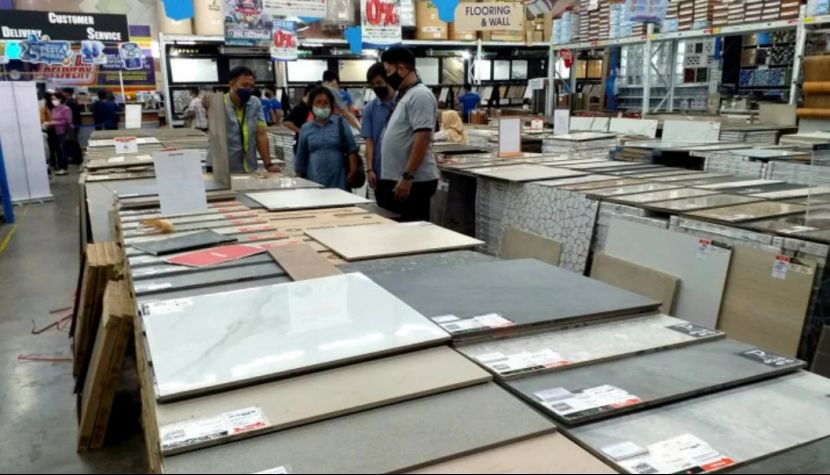
Influx of Chinese Imported Goods Impacts Indonesia's Domestic Ceramic Industry

Regulations on Foreign Citizens Owning Property in Indonesia
Zhang Gui Says: US Tariff Hikes Drive Manufacturing Overseas to Southeast Asia for Breakthroughs

QianDao and QiYeTong Wish You a Happy Mid-Autumn Festival!
BYD Breaks Through, Enters Top Ten in Indonesian Auto Sales
BYD, entering the top ten in the Indonesian market? Yes, that's right. In August 2024, Indonesia's auto sales reached 76,000 units. Chinese brand BYD broke through the Japanese-dominated Indonesian market, selling 2,940 new energy vehicles, ranking sixth in the Indonesian auto market. Indonesia's annual auto production is approximately 1.4 million units, of which about 70% are for domestic sales and 30% for export. In the domestic market, Japanese brands hold a 90% share, with Toyota, Daihatsu, Honda, Mitsubishi, and Suzuki occupying the top five positions. The remaining 10% is shared among Chinese, Korean, and European/American brands. Around 2017, Wuling and Dongfeng
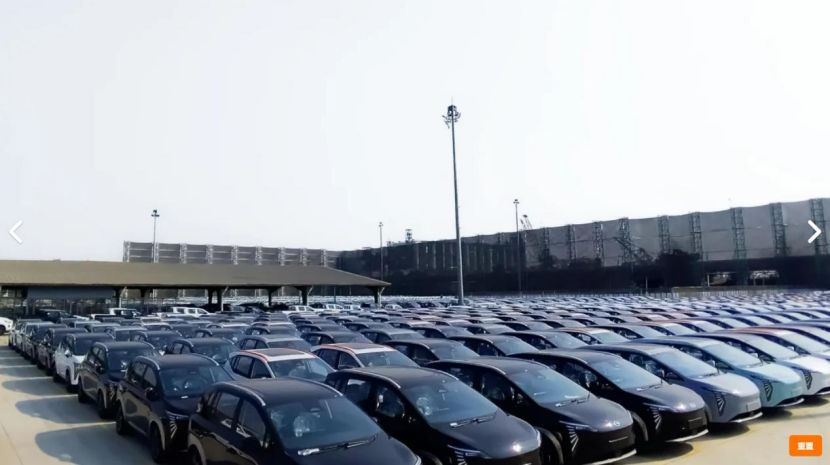
GAC Aion Electric Vehicles Arrive at Indonesian Ports
Recently, a large number of Chinese cars have entered the Indonesian market, with many new brands from China competing to sell their products, including battery-based electric, hybrid, or internal combustion engine vehicles. The latest is the GAC Aion Y Plus, an electric vehicle from China entering Indonesia through a partnership with Indomobil Group. This electric crossover was officially launched in June 2024. Although there is no information yet on the order numbers within approximately three months of the Aion Y Plus's official sales in Indonesia, or the buyers of the vehicle, 600 Chinese electric vehicles
Sinar Mas Invests IDR 4.6 Trillion to Build Data Center
Sinar Mas and Korea Investment Real Asset Management are collaborating to build a data center in Indonesia, establishing a joint venture with a project value of KRW 400 billion (IDR 4.6 trillion). According to a KED Global report, the two companies will inject KRW 70 billion (IDR 810 billion) from a joint venture called Kuningan Mas Gemilang, specifically for Korean
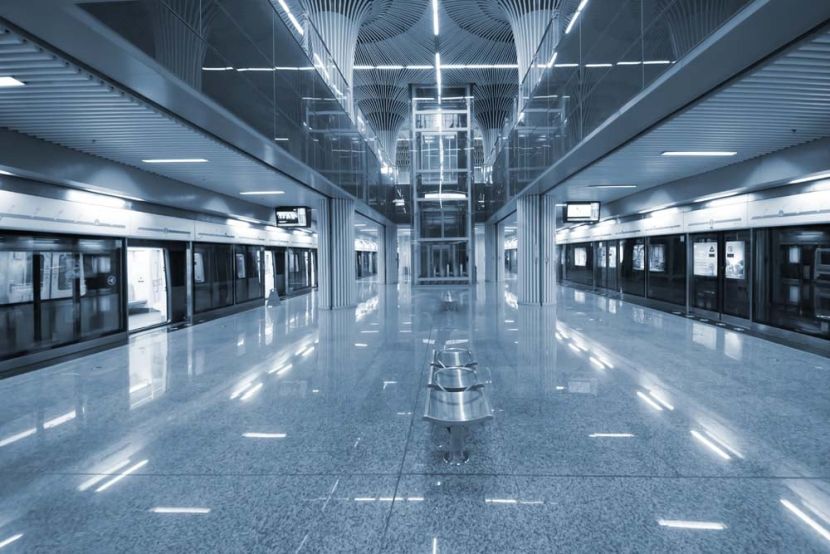
Chinese Contractor Involved in Building Bali Urban Light Rail Project
The contractor for the Bali Urban Light Rail (LRT) subway, China Railway Construction Corporation (CRCC), also participated in the construction of the Jakarta-Bandung High-Speed Railway project. The President Director of PT Sarana Bali Dwipa Jaya (SBDJ) stated that the company has appointed PT Indotek as the main contractor for CRCC, which will collaborate with local contractor PT Sinar Bali Bina Karya (Sinar Bali). Meanwhile, the Bali Urban Metro project was initiated by the Bali Provincial Government and subsequently followed up by SBDJ in partnership with PT
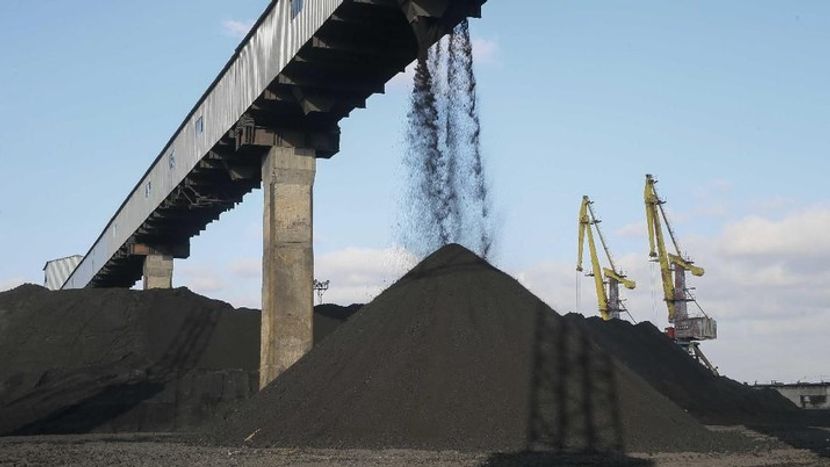
Indonesia Wants to Cooperate with China to Develop Coal Downstream Industry
The Indonesian government has proposed to China to develop and increase the added value of coal (PNT) through a project President Jokowi is proud of, namely downstream development in the form of other products such as coal quality improvement (coal upgrading), coal briquettes, coking, and coal liquefaction. The proposal was directly presented by the Acting Director General of Minerals and Coal on Tuesday (September 3) at the 7th Indonesia-China Energy Forum (ICEF) in Bali. This proposal is part of Indonesia's commitment to reduce the greenhouse effect in national development, as ratified through the Paris Agreement via Law No. 16 of 2016, gradually reducing coal consumption
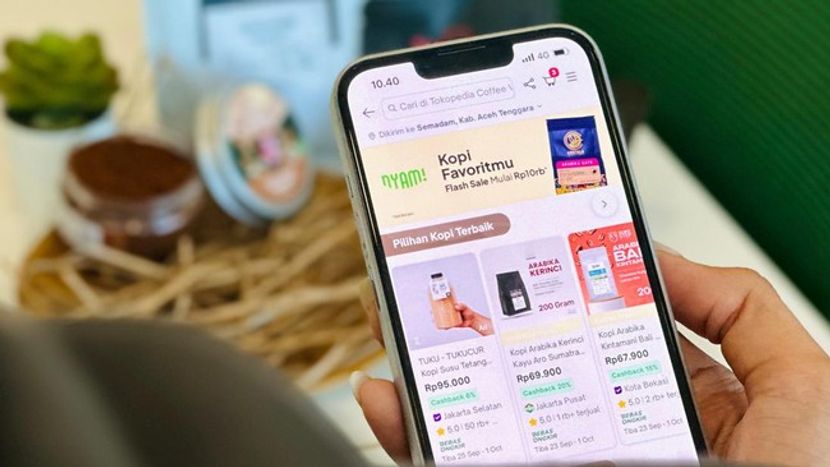
Tokopedia Increases Merchant Service Fee by 10% Starting September 16
Starting September 16, 2024, Tokopedia will increase merchant service fees by up to 10%, applicable to Power Merchant and Power Merchant PRO sellers (depending on product category). The service fee is charged per completed order, based on a percentage that varies by subcategory of the product sold. According to Tokopedia's official announcement, Regular Merchant sellers who changed their membership status to Power Merchant before May 1, 2024, and have more than 50 orders will be charged the Power Merchant service fee.